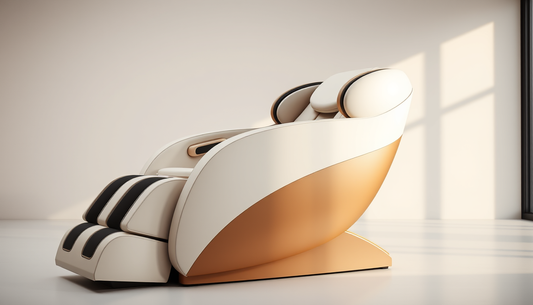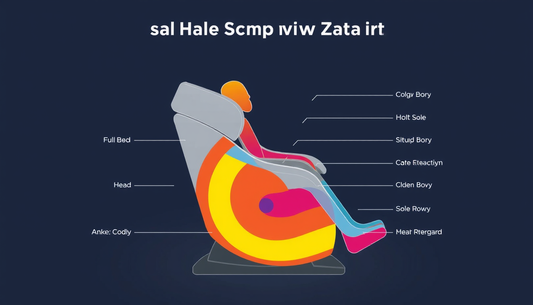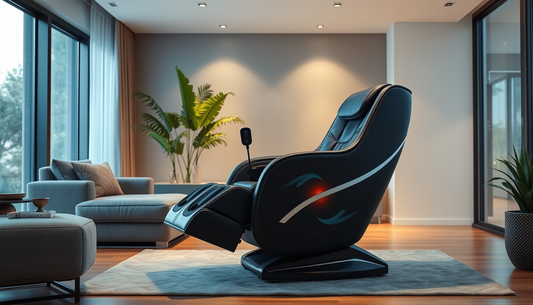
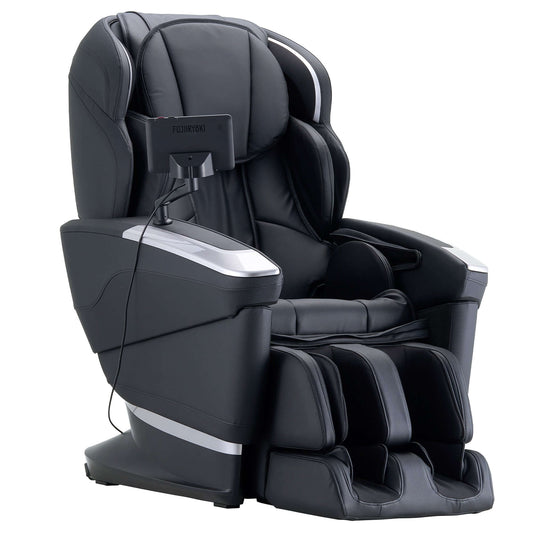
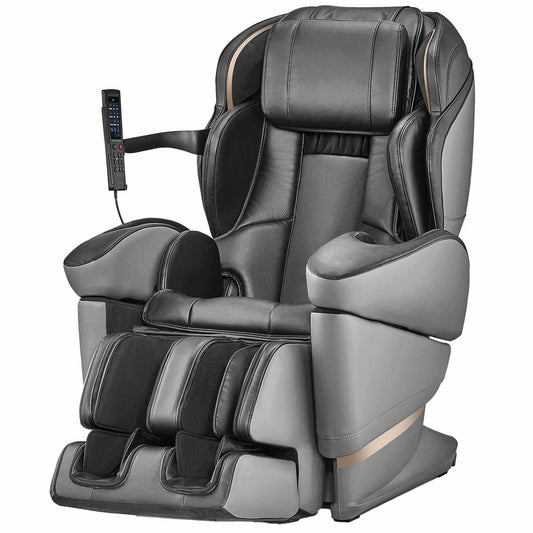
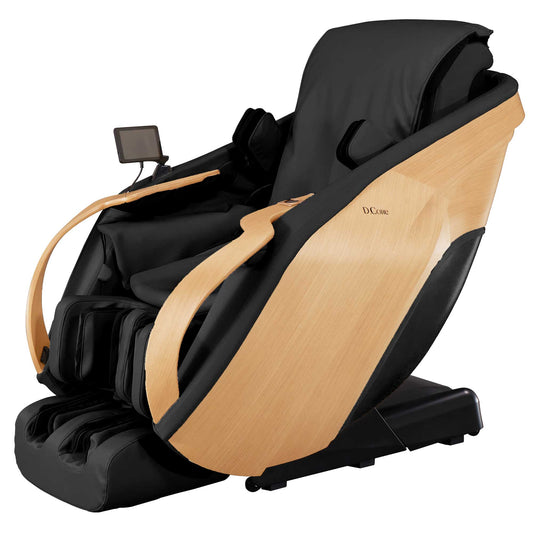
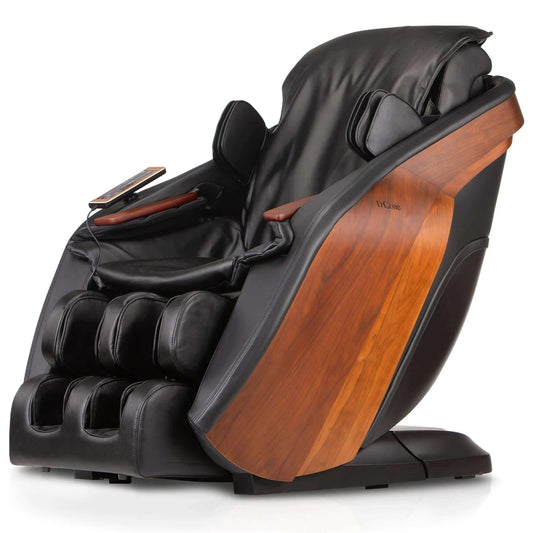
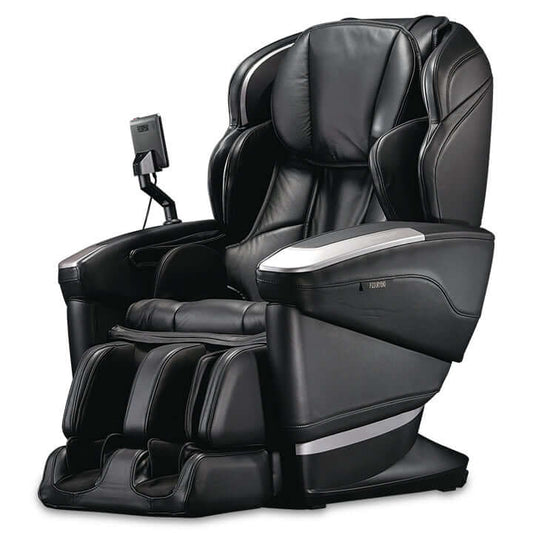

Trình bày điều hành: Fujiiryoki Ghế Massage - Lập bản đồ Kỹ thuật trên Cơ thể (Thụy Điển, Shiatsu, Mô sâu, Bấm huyệt) để giảm đau, tuần hoàn và phục hồi toàn thân
Tóm tắt điều hành
Bài thuyết trình điều hành toàn diện này nêu rõ cách thức Fujiiryoki Ghế massage chuyển đổi các kỹ thuật massage thủ công đã được thiết lập—Thụy Điển, Shiatsu, Mô sâu, Điểm kích hoạt, Bấm huyệt, Bấm huyệt và Nhào—thành các chương trình ghế chính xác, có thể lặp lại được thiết kế để giảm đau có mục tiêu: mắt cá chân, cổ, lưng, bàn chân và phục hồi toàn bộ cơ thể. Mục tiêu là trình bày một lộ trình thực tế, có bằng chứng cho các nhà lãnh đạo chăm sóc sức khỏe của công ty, bác sĩ lâm sàng, đội biểu diễn thể thao và những người tiêu dùng sành điệu, những người yêu cầu kết quả có thể đo lường được trong việc giảm đau, tuần hoàn, giảm mệt mỏi và phục hồi.
Mục tiêu trình bày
- Xác định ánh xạ kỹ thuật tới cơ thể cho Fujiiryoki ghế và nêu rõ tại sao việc lập bản đồ chính xác lại quan trọng đối với kết quả.
- Mô tả cách các công nghệ ghế (con lăn, túi khí, nhiệt, cài đặt trước) tái tạo các phương thức thủ công và tạo ra các lợi ích lâm sàng như kiểm soát lưu lượng máu, trị liệu cơ và hỗ trợ sửa chữa mô.
- Cung cấp kế hoạch phiên chi tiết, lịch trình chương trình, KPI và hướng dẫn an toàn để thực hiện các chương trình phục hồi bằng ghế massage cho các bộ phận cơ thể mục tiêu: mắt cá chân, lưng, bắp chân, bàn chân, bàn tay, đầu, gót chân, đầu gối, cẳng chân, cổ, vai, đùi, toàn bộ cơ thể và cổ tay.
- Cung cấp cấu trúc nội dung theo định hướng SEO và đề xuất siêu dữ liệu để hỗ trợ khả năng phân phối và khám phá kỹ thuật số.
Fujiiryoki Nền tảng công nghệ: Cách chiếc ghế tái tạo các kỹ thuật thủ công
Hiểu cơ chế là điều cần thiết để thiết kế giao thức một cách tự tin. Fujiiryoki tích hợp ba hệ thống cơ khí chính để tái tạo các kỹ thuật thủ công:
- Hệ thống con lăn chính xác: Con lăn đa trục di chuyển dọc theo rãnh chữ S hoặc L để mô phỏng việc lướt cột sống, nhào và nén mô sâu nhắm vào các vùng lưng trên, lưng giữa và lưng dưới.
- Mạng nén túi khí: Các túi khí được bố trí một cách chiến lược mang lại lực nén được phân loại cho vai, cánh tay, hông, bắp chân, mắt cá chân và bàn chân. Điều này cho phép kiểm soát phù nề, tăng cường hồi lưu tĩnh mạch và kích thích bạch huyết.
- Các phương thức phụ trợ: Các bộ phận làm nóng tích hợp, con lăn ở chân và bộ điều khiển cường độ có thể điều chỉnh cho phép trị liệu bằng nhiệt cục bộ, kích thích phản xạ thực vật và áp lực tùy chỉnh để tái tạo các huyệt Shiatsu và bấm huyệt.
Kết hợp lại, các hệ thống này tái tạo các kỹ thuật xoa bóp cơ bản được sử dụng trong môi trường lâm sàng và chăm sóc sức khỏe đồng thời đảm bảo khả năng lặp lại, an toàn và sự thoải mái cho người dùng—rất quan trọng đối với việc áp dụng điều hành và lâm sàng.
Kỹ thuật massage cốt lõi được ánh xạ tới các tính năng của ghế
- Massage Thụy Điển: Những cú trượt dài và nhào lộn nhịp nhàng được tái tạo bằng chuyển động lăn ở tốc độ thấp đến trung bình cộng với túi khí nhẹ rung qua vai và lưng. Sử dụng để lưu thông, thư giãn và hỗ trợ phạm vi chuyển động.
- Shiatsu: Áp lực điểm tập trung được mô phỏng bằng áp lực con lăn tập trung + định vị túi khí để cố định thân và tăng cường áp lực tại các huyệt. Hiệu quả để giải phóng căng thẳng và cân bằng dòng năng lượng.
- Mô sâu: Các kiểu con lăn chậm hơn, cường độ cao hơn với các giai đoạn nén và giữ sâu hơn tái tạo các kỹ thuật mô sâu để trị liệu cơ và bám dính.
- Điểm kích hoạt / Bấm huyệt: Áp dụng áp lực lên vùng nhỏ thông qua các con lăn hoặc túi khí được định vị tại một nút hoặc điểm kích hoạt để giảm tình trạng tăng trương lực và phục hồi chiều dài cơ.
- Bấm huyệt: Con lăn chân nhắm mục tiêu và áp lực đặc trưng của gót chân tái tạo phản xạ thực vật để tác động đến sự thư giãn và tuần hoàn toàn thân.
- Nhào: Trình tự áp lực và giải phóng luân phiên bằng con lăn và túi khí giúp làm mềm các mô, tăng lưu lượng máu và giảm độ cứng.
Giải phẫu các bộ phận cơ thể mục tiêu & mục tiêu lâm sàng
Mỗi bộ phận cơ thể đều có mục tiêu điều trị cụ thể. Dưới đây là những cân nhắc về giải phẫu và kết quả lâm sàng chính Fujiiryoki các chương trình nên nhắm mục tiêu.
- Mắt cá chân & gót chân: Mục tiêu = giảm sưng tấy, cải thiện vi tuần hoàn mu bàn chân và xương chày sau, giảm căng cơ cân gan chân.
- Bàn chân (Bề mặt thực vật): Mục tiêu = giảm căng cơ ở gan bàn chân, khôi phục cảm giác thoải mái, kích hoạt thư giãn toàn thân thông qua bấm huyệt.
- Bắp chân & bắp chân (Đùi, đầu gối): Mục tiêu = giảm sự tích tụ tĩnh mạch, cải thiện khả năng phục hồi cơ bắp, giảm DOMS và hỗ trợ sự hồi phục của bạch huyết.
- Lưng & Cột sống: Mục tiêu = giảm tình trạng tăng trương lực cơ cạnh cột sống, hỗ trợ điều chỉnh cột sống thông qua vận động tương hỗ, giảm các cơn đau lưng mãn tính.
- Cổ & Vai: Mục tiêu = giảm căng thẳng cổ ngực, giảm đau đầu do căng thẳng, cải thiện tình trạng mỏi cơ liên quan đến tư thế.
- Bàn tay & Cổ tay: Mục tiêu = giảm bớt hội chứng lạm dụng, cải thiện vi tuần hoàn, giảm độ căng ở chuỗi cơ duỗi/gập cẳng tay.
- Đầu & Toàn thân: Mục tiêu = kích hoạt phản ứng phó giao cảm, cải thiện giấc ngủ, giảm dấu ấn sinh học căng thẳng nói chung.
Lập bản đồ chi tiết về kỹ thuật trên cơ thể (Mở rộng)
Ánh xạ sau đây mở rộng trên đó Fujiiryoki các tính năng và chương trình tuyển chọn cung cấp tốt nhất từng kỹ thuật cho từng bộ phận cơ thể.
-
Mắt cá chân, gót chân & bàn chân
- Kỹ thuật: Bấm huyệt, Shiatsu, Bấm huyệt, Nhào.
- Tính năng của ghế: Con lăn ở chân với áp lực nút xen kẽ, con lăn dành riêng cho gót chân có thể điều chỉnh, ống bọc khí nén ở mắt cá chân, nhiệt cục bộ đến vùng lòng bàn chân.
- Quy trình: tập trung bấm huyệt bàn chân trong 10–20 phút với động tác lăn ở cường độ trung bình; kết thúc bằng nén mắt cá chân theo mức độ (10 phút) để tăng cường hồi lưu tĩnh mạch.
- Kết quả lâm sàng: Giảm điểm đau viêm cân gan chân (tự báo cáo), cải thiện sự thoải mái khi đứng lâu, giảm sưng tấy sau những chuyến bay hoặc ca làm việc dài.
-
Bắp chân, đầu gối & đùi
- Kỹ thuật: Nhào mô sâu cho bắp chân, vuốt ve kiểu Thụy Điển cho đùi, Thực hiện các động tác nén quanh đầu gối để kiểm soát tình trạng phù nề.
- Tính năng của ghế: Nén không khí đa vùng từ bắp chân đến đùi, con lăn nhào dao động trên các thiết lập đùi sau nếu có.
- Giao thức: Sau bài tập, chương trình 20–30 phút xen kẽ nhào sâu và nén chia độ; bao gồm chườm nóng trong thời gian ngắn cho cơ gân kheo/cơ tứ đầu căng cứng.
- Kết quả lâm sàng: Giảm DOMS nhanh hơn, giảm đau nhức cơ có thể đo lường được, cải thiện khả năng sẵn sàng cho buổi tập tiếp theo.
-
Lưng & Cột sống (Trên, Giữa, Dưới)
- Kỹ thuật: Mô sâu cho lưng dưới, Tiếng Thụy Điển cho lưng giữa, Shiatsu cho lưng trên và giải phóng xương bả vai, Tác dụng điểm kích hoạt được định vị ở các cơ cạnh cột sống.
- Tính năng của ghế: Hành trình con lăn theo dõi chữ S hoặc chữ L, các vùng cường độ có thể lập trình (trên/giữa/dưới), miếng đệm nhiệt thắt lưng tùy chọn, độ rộng con lăn có thể điều chỉnh và các điểm áp lực.
- Quy trình: Chương trình hỗn hợp kéo dài 25–40 phút: bắt đầu bằng động tác lướt kiểu Thụy Điển để làm ấm mô, tiến tới mô sâu để làm săn chắc vùng thắt lưng, kết thúc bằng động tác Shiatsu nhẹ để thư giãn vai và cổ.
- Kết quả lâm sàng: Giảm các cơn đau thắt lưng tự báo cáo, cải thiện sự thoải mái khi đứng, cải thiện độ bền tư thế ở nhân viên văn phòng.
-
Cổ & Vai
- Kỹ thuật: Nhào và điểm kích hoạt cho cơ thang và cơ nâng xương bả vai, Shiatsu ấn vào đáy hộp sọ, các động tác vuốt kiểu Thụy Điển dọc theo các đốt sống cổ.
- Tính năng của ghế: Con lăn cổ có thể điều chỉnh, áp lực túi khí tập trung lên vai, kiểu kéo nhẹ nhàng để giảm áp lực cho cổ khi có.
- Giao thức: Chương trình cổ/vai có mục tiêu kéo dài 15–25 phút với cường độ từ thấp đến trung bình; bao gồm những khoảng dừng ngắn để đánh giá khả năng chịu đựng và ngăn ngừa chóng mặt.
- Kết quả lâm sàng: Giảm chứng đau đầu do căng thẳng, giảm cứng cổ và cải thiện phạm vi chuyển động cho các động tác uốn cong và xoay sang bên.
-
Bàn tay & Cổ tay
- Kỹ thuật: Bấm huyệt lòng bàn tay, Nhào chuỗi cơ cẳng tay, Bấm huyệt các huyệt đạo ở cổ tay.
- Tính năng của ghế: Túi để tay có khả năng nén có thể điều chỉnh, con lăn lòng bàn tay nếu có, hỗ trợ cổ tay nhẹ nhàng và hoạt động nhào nặn.
- Quy trình: 8–12 phút tập tay/cổ tay kết hợp với nhào nắn cẳng tay để giảm bớt căng thẳng lặp đi lặp lại.
- Kết quả lâm sàng: Giảm độ cứng chủ quan, cải thiện sự thoải mái cho người làm việc trên máy tính, hỗ trợ giảm bớt sự khó chịu sớm ở ống cổ tay (không phải là sự thay thế cho việc chăm sóc y tế).
-
Đầu & Toàn Thân
- Kỹ thuật: Chương trình Thụy Điển toàn thân để kích thích phản ứng phó giao cảm, Shiatsu để cân bằng năng lượng và xoa dịu đầu/cổ tập trung.
- Tính năng của ghế: Các chế độ thư giãn hoàn toàn kết hợp con lăn, túi khí và nhiệt toàn bộ lưng với mô hình giảm dần để hướng dẫn thư giãn.
- Phương thức: Buổi phục hồi toàn cơ thể kéo dài 30–45 phút lý tưởng để sử dụng vào buổi tối để cải thiện chất lượng giấc ngủ và phục hồi toàn thân.
- Kết quả lâm sàng: Cải thiện giấc ngủ khởi phát và chất lượng giấc ngủ chủ quan, giảm căng thẳng chung và cải thiện các chỉ số tâm trạng.
Thiết kế chương trình: Từ các buổi học đơn lẻ đến các chương trình dân số
Thiết kế các chương trình với KPI có thể đo lường được và cường độ tăng dần. Dưới đây là các giao thức mẫu theo nhu cầu của người dùng.
-
Executive Wellness (Người dùng bị hạn chế về thời gian)
- Tần suất: Các buổi tập nhỏ hàng ngày (10–15 phút) tập trung vào cổ/vai và bàn chân.
- Chế độ: Hỗn hợp Thụy Điển/Nhào; cường độ thấp đến trung bình.
- KPI: Thang điểm căng thẳng tự báo cáo, số cơn đau đầu mỗi tuần, điểm cứng cổ chủ quan.
-
Phục hồi sau tập luyện (Vận động viên & Người đam mê thể hình)
- Tần suất: 2–4 buổi mỗi tuần; 20–40 phút.
- Chế độ: Mô sâu + Nén chân cho vận động viên thân dưới; Điểm kích hoạt lưng sâu + cổ kết hợp cho các môn thể thao tiếp xúc.
- KPI: Thời gian sẵn sàng cho buổi đào tạo tiếp theo, điểm DOMS, đánh giá khả năng phục hồi.
-
Hỗ trợ phục hồi chức năng (Sử dụng lâm sàng)
- Tần suất: Theo chỉ định của bác sĩ lâm sàng; thường là 3–5 lần mỗi tuần đối với các khối ngắn.
- Chế độ: Điểm kích hoạt + Mô sâu được kiểm soát, các chương trình nhắm mục tiêu vào cột sống, tránh các cài đặt mạnh mẽ đối với tình trạng viêm cấp tính.
- KPI: Thang đo mức độ đau (NPRS), số liệu về phạm vi chuyển động, kiểm tra chức năng (ngồi để đứng, hẹn giờ lên và đi nếu có).
-
Phục hồi & Thư giãn tại nhà
- Tần suất: 3–7 lần mỗi tuần tùy theo mục tiêu; Phiên 20–45 phút.
- Chế độ: Tiếng Thụy Điển toàn thân + Bấm huyệt cho thói quen buổi tối.
- KPI: Bảng câu hỏi về chất lượng giấc ngủ, thang đo căng thẳng tổng thể, điểm năng lượng hàng ngày chủ quan.
Ví dụ về phiên (Sẵn sàng cho slide)
-
Thiết lập lại điều hành trong 15 phút
- Bắt đầu: 2 phút kiểm tra hơi thở và tư thế.
- 5 phút: Nhào nhẹ cổ & vai + nén túi khí cường độ thấp.
- 5 phút: Cơ lưng kiểu Thụy Điển lướt nhẹ để cải thiện tuần hoàn và giảm độ cứng của lồng ngực.
- 3 phút: Kết thúc bấm huyệt bàn chân để kích hoạt hệ phó giao cảm.
-
Phục hồi vận động viên 30 phút
- Bắt đầu: lướt khởi động 3 phút (tiếng Thụy Điển).
- 12 phút: Con lăn mô sâu tập trung vào lưng dưới và cơ mông.
- 8 phút: Chu kỳ nén chia độ từ bắp chân đến đùi với nhiệt độ nhẹ.
- Phút 7: Lăn chân + bấm huyệt nhẹ và hồi chiêu.
-
Hỗ trợ lâm sàng 25 phút
- Bắt đầu: 3 phút lướt nhẹ nhàng ấm áp
- 12 phút: Thuật toán Điểm kích hoạt tập trung vào các nút thắt cạnh cột sống và các điểm kích hoạt ở vai đã được xác định
- 5 phút: Nhiệt cục bộ vùng thắt lưng
- 5 phút: Kết thúc kiểu Thụy Điển với cường độ thấp giúp thư giãn mô
Đo lường Kết quả & Các Chỉ số Hiệu suất Chính (KPI)
Để hiển thị ROI và lợi ích lâm sàng, hãy theo dõi các số liệu định lượng và định tính trong thời gian thí điểm từ 4–12 tuần.
- Kết quả do bệnh nhân báo cáo: Xếp hạng mức độ đau (thang 0–10), chất lượng giấc ngủ, điểm mệt mỏi.
- Kiểm tra chức năng: Lặp lại tư thế ngồi, đứng lên và di chuyển theo thời gian, phạm vi xoay cổ tử cung (độ).
- Các yếu tố thay thế sinh lý: Chu vi chân cho tình trạng phù nề, cảm nhận được tình trạng sưng tấy, sự thay đổi nhịp tim đối với phản ứng tự chủ (nếu có sẵn trên thiết bị đeo).
- Số liệu sử dụng: Tần suất phiên, thời lượng phiên trung bình, chế độ ưu tiên (dữ liệu được ghi lại khi ghế hỗ trợ đo từ xa).
- Tuân thủ chương trình: Số lượng người dùng hoàn thành các phiên hàng tuần được đề xuất.
Bằng chứng & Cơ sở lý luận (Tóm tắt)
Các phương pháp xoa bóp đã chứng minh tính hữu ích trong việc cải thiện tuần hoàn, giảm đau chủ quan, giảm căng cơ và hỗ trợ phục hồi. Mặc dù ghế massage không thay thế các biện pháp can thiệp lâm sàng cá nhân, Fujiiryoki ghế cung cấp đầu vào cơ học có mục tiêu, có thể tái tạo, phản ánh các kỹ thuật thủ công dựa trên bằng chứng, khiến chúng trở thành một công cụ hỗ trợ thiết thực trong các cơ sở chăm sóc sức khỏe doanh nghiệp, phục hồi thể thao và phục hồi chức năng tại nhà.
An toàn, chống chỉ định và quản trị lâm sàng
- Tránh các buổi tập cường độ cao hoặc mô sâu cho người dùng mắc các tình trạng viêm cấp tính, huyết khối tĩnh mạch sâu không được điều trị, loãng xương nghiêm trọng, bệnh tim mạch không kiểm soát được, nhiễm trùng da hoặc gãy xương gần đây.
- Mang thai: Sử dụng các chế độ bảo thủ; tránh áp lực sâu vào bụng. Tham khảo hướng dẫn sản khoa trước khi sử dụng thường xuyên.
- Thuốc: Hãy thận trọng với thuốc chống đông máu—theo dõi tình trạng bầm tím hoặc mao mạch quá mỏng manh.
- Cân nhắc về độ tuổi: Cường độ thấp hơn và thời lượng buổi tập ngắn hơn đối với người lớn tuổi. Bắt đầu một cách thận trọng và theo dõi khả năng dung nạp.
- Giám sát lâm sàng: Đối với các chương trình phục hồi chức năng, hãy điều chỉnh các quy trình của chủ trì phù hợp với bác sĩ điều trị và ghi chép các sửa đổi trong kế hoạch chăm sóc bệnh nhân.
Lộ trình thực hiện cho các tổ chức
Triển khai Fujiiryoki ghế như một phần của chương trình chăm sóc sức khỏe hoặc phục hồi đòi hỏi phải lập kế hoạch về mua sắm, vận hành, quản trị lâm sàng và áp dụng của người dùng.
-
Giai đoạn 1 - Đánh giá nhu cầu:
- Xác định nhóm đối tượng (giám đốc điều hành, người làm ca, vận động viên, bệnh nhân).
- Số liệu cơ bản: Thu thập điểm đau, giấc ngủ và chức năng.
-
Giai đoạn 2 - Thí điểm:
- Triển khai 1–3 ghế trong 4–8 tuần với các giao thức có cấu trúc và thu thập dữ liệu.
- Thu thập cả số liệu đo lường từ xa về mức sử dụng và kết quả hàng tuần.
-
Giai đoạn 3 - Quy mô & Tích hợp:
- Thang đo dựa trên KPI thí điểm. Tích hợp việc sử dụng ghế vào quá trình chăm sóc sức khỏe hoặc lâm sàng của nhân viên.
- Cung cấp tài liệu đào tạo, video hướng dẫn ngắn và biển báo để sử dụng an toàn.
Hướng dẫn mua hàng và lựa chọn sản phẩm
- Kết hợp các tính năng với mục tiêu lâm sàng: Ưu tiên các mô hình có con lăn ở bàn chân và vùng gót chân có thể điều chỉnh cho các vấn đề về lòng bàn chân, khả năng nén khí mạnh mẽ để hồi lưu tĩnh mạch và độ sâu con lăn có thể điều chỉnh cho nhu cầu mô sâu.
- Bảo hành & Dịch vụ: Chọn các gói dịch vụ mở rộng, đặc biệt dành cho môi trường công ty hoặc phòng khám có tần suất sử dụng cao.
- Dữ liệu & Tích hợp: Nếu cần phân tích dữ liệu từ xa hoặc sử dụng, hãy xác nhận mẫu ghế hỗ trợ xuất hoặc tích hợp dữ liệu với các nền tảng chăm sóc sức khỏe.
Thực hành tốt nhất về bảo trì, vệ sinh và vận hành
- Hàng ngày: Lau sạch các bề mặt sau khi sử dụng bằng chất tẩy rửa được nhà sản xuất phê duyệt để giữ vệ sinh.
- Hàng tuần: Kiểm tra độ mòn của túi khí và cơ cấu con lăn; xác minh chức năng thiết lập lại cài đặt.
- Hàng quý: Kiểm tra dịch vụ chuyên nghiệp để hiệu chuẩn cơ khí và cập nhật phần mềm.
- Đào tạo người dùng: Cung cấp các buổi giới thiệu ngắn để hướng dẫn cách định vị, lựa chọn cường độ và chống chỉ định thích hợp.
Nghiên cứu điển hình & Kịch bản sử dụng (Minh họa giả thuyết)
-
Corporate Pilot — Công ty công nghệ (35 người dùng)
- Can thiệp: Một Fujiiryoki ghế đặt trong phòng chăm sóc sức khỏe; Khuyến khích giao thức thiết lập lại điều hành trong 10–15 phút vào giữa trưa.
- Kết quả: Trong vòng 8 tuần, tỷ lệ đau đầu trung bình hàng tuần giảm 30% (tự báo cáo) và năng suất làm việc vào buổi chiều tăng lên.
-
Phục hồi đội thể thao (Đạp xe chuyên nghiệp)
- Can thiệp: Hai chiếc ghế được sử dụng sau khi đạp xe trong 20–30 phút tập nén mô và mô sâu.
- Kết quả: Các tay đua cho biết DOMS giảm và khả năng phục hồi được nhận thấy nhanh hơn giữa các giai đoạn trong trại huấn luyện.
Câu hỏi thường gặp (FAQ)
- Hỏi: Có thể Fujiiryoki ghế điều trị đau lưng mãn tính?
- A: Ghế là một phụ kiện; chúng có thể làm giảm căng cơ và đau đớn nhưng nên được sử dụng cùng với việc chăm sóc lâm sàng cho các tình trạng cấu trúc mãn tính.
- Hỏi: Bao lâu tôi mới thấy được lợi ích?
- Trả lời: Nhiều người dùng cho biết độ cứng và căng thẳng giảm ngay lập tức sau một buổi tập; những cải thiện chức năng có thể đo lường được và giảm đau kéo dài thường xuất hiện sau 2–6 tuần sử dụng đều đặn.
- Hỏi: Là Fujiiryoki ghế an toàn cho người lớn tuổi?
- Đáp: Có, với cài đặt cường độ thận trọng và sự chấp thuận của bác sĩ lâm sàng đối với những người mắc bệnh đi kèm.
Đề xuất nội dung và SEO để phân phối
- Từ khóa chính: Fujiiryoki ghế massage, ghế massage Thụy Điển, ghế massage shiatsu, ghế massage mô sâu, massage chân bấm huyệt, giảm đau cổ gáy, ghế phục hồi tuần hoàn.
- Từ khóa đuôi dài: Fujiiryoki bấm huyệt bàn chân để điều trị viêm cân gan chân, quy trình sử dụng ghế mát-xa để phục hồi sau tập luyện, ghế mát-xa điểm kích hoạt điều trị chứng đau lưng trên.
- Đề xuất siêu dữ liệu:
- Thẻ tiêu đề (<=70 ký tự): Fujiiryoki Ghế Massage - Lập bản đồ kỹ thuật trên cơ thể để giảm đau
- Mô tả meta (150–160 ký tự): Khám phá Fujiiryoki các chương trình của ghế lập bản đồ tiếng Thụy Điển, Shiatsu, Mô sâu & Bấm huyệt tới mắt cá chân, cổ, lưng và phục hồi toàn bộ cơ thể.
- Chiến lược nội dung: Xuất bản một trang trụ cột với bài trình bày điều hành này và các bài đăng hỗ trợ: "Làm thế nào Fujiiryoki Bấm huyệt bàn chân giúp giảm đau ở gan chân", "Quy trình cổ & vai cho nhân viên bàn" và "Phục hồi thể thao: Các trường hợp sử dụng mô sâu + nén." Liên kết những điều này trong nội bộ.
Phụ lục: Mẫu kế hoạch thí điểm 8 tuần (Danh sách kiểm tra hoạt động)
- Tuần 0: Đánh giá cơ bản (điểm đau, kiểm tra chức năng, khảo sát người dùng).
- Tuần 1–2: Người dùng tích hợp, chạy các giao thức bảo trì hàng ngày, thu thập dữ liệu sử dụng.
- Tuần 3–5: Giới thiệu các buổi tập trung vào phục hồi cho những người dùng có nhu cầu cao (vận động viên, nhóm bị đau mãn tính).
- Tuần 6–8: Tổng hợp KPI, mức độ hài lòng của người dùng, báo cáo ROI và đề xuất về quy mô.
Kết luận & Khuyến nghị điều hành
Fujiiryoki ghế massage biến các kỹ thuật thủ công đã được chứng minh thành các biện pháp can thiệp có thể lập trình, có thể lặp lại, an toàn nhằm vào mắt cá chân, cổ, lưng, bàn chân và phục hồi toàn bộ cơ thể. Đối với các bên liên quan về điều hành và lâm sàng, những chiếc ghế này cung cấp một công cụ có thể mở rộng, có thể đo lường được để giảm đau, cải thiện tuần hoàn và tăng tốc độ phục hồi. Các bước tiếp theo được đề xuất: mua một đơn vị demo cho thí điểm dành riêng cho nhóm dân số (giám đốc điều hành, vận động viên hoặc bệnh nhân lâm sàng), thực hiện quy trình đo lường trong 8 tuần và sử dụng kết quả để biện minh cho thang đo dựa trên KPI được xác định rõ ràng (điểm đau, kiểm tra chức năng và số liệu sử dụng).
Kêu gọi hành động
Lên lịch một Fujiiryoki trình diễn tập trung vào việc lập bản đồ kỹ thuật trên cơ thể phù hợp nhất với đối tượng của bạn (ví dụ: chương trình bàn chân và mắt cá chân cho nhân viên khách sạn; chương trình cổ và vai cho các đội văn phòng; mô sâu + nén để phục hồi thể thao). Yêu cầu tài liệu về các tính năng của sản phẩm, bảo hành, khả năng đo từ xa và thư viện giao thức được đề xuất để triển khai lâm sàng hoặc doanh nghiệp.
Tags:
Trước
Fujiiryoki Ghế Mát-xa — Bản đồ sàn trượt dành cho bác sĩ lâm sàng Lập bản đồ các kỹ thuật Thụy Điển, Shiatsu & mô sâu tới các lợi ích ở mắt cá chân, cổ, lưng và toàn bộ cơ thể
Kế tiếp
Fujiiryoki Kế hoạch trình bày về ghế mát-xa: Lập bản đồ các lợi ích của Thụy Điển, Shiatsu, Mô sâu & Bấm huyệt tới mắt cá chân, cổ, lưng, bàn chân và toàn bộ cơ thể (Kiểm soát lưu lượng máu, Giảm đau, Phục hồi)