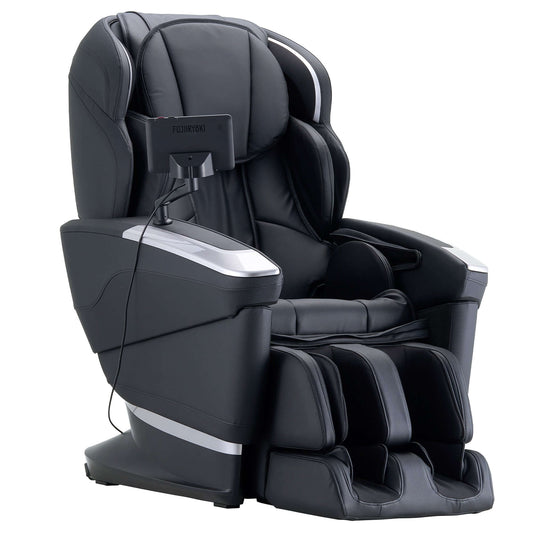
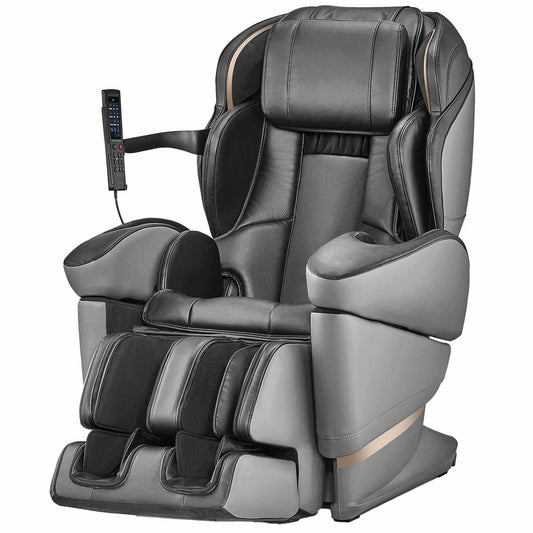
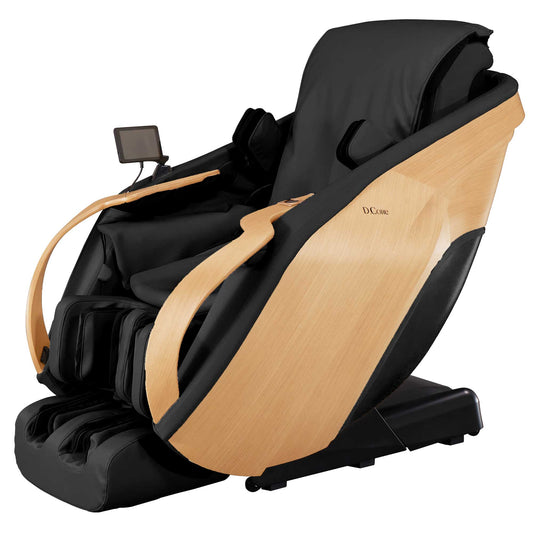
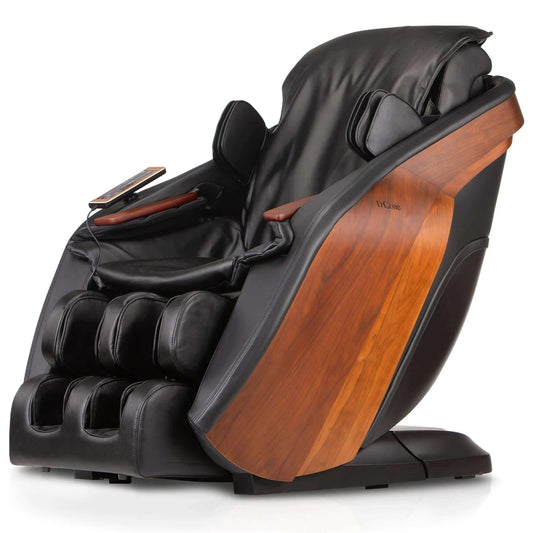
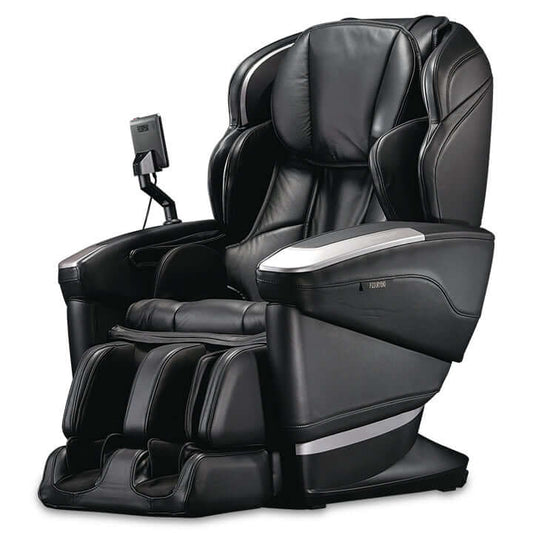
Luxurious Fujiiryoki massage chair in a modern living room, designed for Shiatsu and deep-tissue relaxation.
소식

Fujiiryoki Massage Chairs — From Heel to Head: How Shiatsu, Deep‑Tissue & Reflexology Boost Circulation, Relieve Pain and Speed Recovery

Introduction: A Full‑Body Solution for Modern Recovery

Fujiiryoki massage chairs are engineered to deliver methodical, repeatable, and clinically inspired massage therapies from heel to head. These chairs blend shiatsu, deep‑tissue, reflexology, acupressure, kneading, trigger point work, Swedish techniques, and targeted compression to address ankles, heels, feet, calves, knees, thighs, legs, back, spine, hips, shoulders, neck, head, hands, and wrists. The result is a versatile recovery and wellness tool that supports circulation, relieves pain, improves flexibility, and accelerates tissue recovery.

Why This Matters: Circulation, Pain, and Recovery Explained

Circulation, muscle tension, and nervous system balance are at the core of recovery. Poor blood flow slows healing, trapped trigger points and adhesions cause persistent pain, and chronic stress impairs sleep and tissue repair. Fujiiryoki chairs deliver multiple complementary modalities that address these mechanisms simultaneously:

  • Mechanical stimulation increases local blood perfusion and venous return.
  • Targeted pressure breaks up adhesions and reduces trigger point sensitivity.
  • Reflexology and shiatsu promote parasympathetic activation, lowering stress hormones and aiding systemic recovery.
  • Thermal therapy increases tissue extensibility and enhances enzymatic processes involved in repair.

Technology Overview: What Fujiiryoki Brings to the Table

Fujiiryoki incorporates several hardware and software features designed for therapeutic effect:

  • Precision roller arrays designed to mimic thumbs, palms, and knuckles for shiatsu and kneading motions.
  • Multi‑zone air compression modules for calves, ankles, feet, hands, wrists, and shoulders to pump venous blood and lymphatic fluid.
  • Reflexology foot plates and nodules that target heel, arch, and ball of the foot zones associated with systemic benefits.
  • Heat in lumbar and calf regions to increase circulation and soften deep tissues prior to heavy manipulation.
  • Adjustable intensity settings and program personalization to match fitness level, pain sensitivity, and therapeutic goals.
  • Smart sensors and body scanning to align rollers and adjust to individual spinal curvature, improving effective spine alignment and comfort.

Targeted Body‑Part Breakdown: How Each Area Benefits

This section explains, body part by body part, how Fujiiryoki massage techniques help circulation, pain management, and recovery.

  • Feet & Heels
    • Reflexology rollers and nodules stimulate plantar zones tied to systemic circulation and organ reflexes.
    • Compression and kneading reduce plantar fascia tension and heel pain common in plantar fasciitis.
    • Improved venous return from the feet supports overall lower limb circulation and reduces morning stiffness.
  • Ankles & Calves
    • Graduated air compression reduces edema and promotes venous pump action back to the heart.
    • Kneading and rolling reduce calf tightness and improve ankle dorsiflexion indirectly by freeing up gastrocnemius and soleus muscles.
    • Heat softens connective tissue for better flexibility in Achilles and calf regions.
  • Knees & Thighs
    • Controlled kneading and deep compression around quadriceps and hamstrings relieve stiffness that contributes to knee pain.
    • Trigger point modes break up myofascial restrictions crossing the knee joint, assisting functional movement and recovery.
    • Improved tissue perfusion around the knee supports post‑exercise metabolic cleanup.
  • Legs (Whole)
    • Combined compression and roller patterns improve lymphatic drainage and reduce fatigue in long‑duration standing or travel scenarios.
    • Enhanced flexibility from repeated sessions lowers injury risk and supports athletic performance.
  • Lower Back & Spine
    • Shiatsu rollers apply sustained pressure along paraspinal muscles to increase local blood flow and reduce spasm.
    • Spinal extension and targeted lumbar heat aid mild decompression and temporary relief for postural back pain.
    • Deep‑tissue modes address chronic knots and help realign muscle balance that affects spinal posture.
  • Shoulder & Neck
    • Shiatsu and trigger point release reduce trapezius and levator scapulae tension linked to tension headaches and restricted range of motion.
    • Kneading and acupressure improve cervical blood flow and decrease neurogenic pain referrals to head and arms.
  • Head & Scalp
    • Gentle occipital kneading, vibration, and relaxation sequences can reduce tension headaches and support improved sleep.
  • Hands & Wrists
    • Air compression and palm kneading ease repetitive strain from typing, manual work, or instrument playing.
    • Improved microcirculation supports tissue recovery after repetitive microtrauma.

Technique Deep Dive: Shiatsu, Deep‑Tissue, Reflexology & More

Understanding technique mechanics helps optimize how you use a chair.

  • Shiatsu
    • Uses cyclic, localized pressure along meridians to stimulate nervous system balance and local perfusion.
    • Best for stress reduction, overall circulation boost, and relieving muscle guard in chronic tension patterns.
  • Deep‑Tissue Massage
    • Targets deeper fascia and muscle layers with slow, sustained strokes to break adhesions and improve tissue glide.
    • Effective for chronic pain, old injuries, and targeted recovery after heavy exercise.
  • Reflexology
    • Focuses on pressure points on the feet and heels that correspond to organ systems and autonomic regulation.
    • Reflexology foot modules support venous return and trigger systemic relaxation helpful for sleep and stress resilience.
  • Trigger Point & Acupressure
    • Delivers focused pressure to hypersensitive spots to reduce referred pain and restore muscle function.
    • Helps recalibrate local pain thresholds and improve movement efficiency.
  • Kneading & Swedish Techniques
    • Promote superficial circulation, ease stiffness, and enhance relaxation, serving as an effective warm‑up for deeper therapies.

How Massage Improves Circulation: The Physiology

Massage therapy affects circulation through several physiological pathways:

  • Mechanical compression squeezes venous vessels and lymphatics, accelerating fluid return and reducing interstitial edema.
  • Localized pressure increases capillary perfusion and microvascular recruitment, delivering oxygen and nutrients to tissues.
  • Thermal therapy dilates blood vessels, lowering vascular resistance and enhancing enzymatic processes tied to repair.
  • Activation of the parasympathetic nervous system reduces sympathetic vasoconstriction, allowing broader systemic blood flow improvements.

Pain Relief & Injury Recovery: Practical Benefits

Fujiiryoki chairs support pain management and recovery in practical ways:

  • Interrupts pain cycles by reducing muscle hypertonicity and desensitizing trigger points.
  • Speeds recovery by improving metabolic waste clearance and reducing inflammatory stagnation.
  • Restores functional range of motion, enabling more effective rehabilitation and safer return to activity.
  • Provides accessible, consistent therapy that supplements clinical care and daily maintenance routines.

Sample Routines: Tailored Programs by Goal

Below are evidence‑based suggestions for session length, intensity, and program sequence. Always start gently and consult a clinician for specific injuries.

  • Daily Maintenance (10–15 minutes)
    • Focus: Feet & neck with low intensity, light kneading and reflexology to maintain circulation and reduce stiffness.
    • Use heat for 5 minutes on lumbar or calves if desired.
  • Post‑Workout Recovery (15–25 minutes)
    • Begin with gentle Swedish/kneading to flush metabolites, then apply deep‑tissue to sore muscles, and finish with compression on calves and feet.
    • Use moderate intensity and limited heat for 5–10 minutes.
  • Chronic Pain Management (20–30 minutes)
    • Targeted deep‑tissue and trigger point work on affected areas, paired with shiatsu to reduce sympathetic tone. Repeat 3–5 times weekly based on tolerance.
  • Travel & Swelling Relief (20 minutes)
    • Use graduated leg compression and foot reflexology to reduce edema and enhance venous return after long flights or drives.
  • Sleep & Stress Reduction (25–40 minutes)
    • Full‑body shiatsu program at low intensity with focus on neck, shoulders, and lumbar regions to activate relaxation and improve sleep onset.

Frequency, Progression & Tracking Results

  • Start with 2–3 sessions per week and adjust frequency based on symptom response and recovery needs.
  • For acute pain or heavy training weeks, increase to daily short maintenance sessions and schedule deeper sessions 2–3 times per week.
  • Track subjective metrics like pain on movement, sleep quality, morning stiffness, and functional tasks (e.g., squat depth, ankle dorsiflexion) to monitor improvement.
  • Pair chair use with progressive exercise, stretching, and, when appropriate, guided physical therapy for best long‑term outcomes.

Safety, Contraindications & When to See a Professional

Massage chairs are safe for most people, but there are important exceptions and precautions:

  • Avoid or modify use if you have deep vein thrombosis, uncontrolled hypertension, active infections, severe osteoporosis, recent fractures, open wounds, or advanced cardiac conditions.
  • Pregnancy requires consultation with an obstetric provider; certain compression and deep‑tissue modes may be contraindicated in the first trimester or with high‑risk pregnancies.
  • Reduce intensity if you experience increased swelling, sharp localized pain, or neurological symptoms (numbness, tingling beyond typical post‑workout soreness).
  • Always consult your healthcare provider before beginning regular chair therapy if you have chronic or complex medical conditions.

Maintenance & Care: Keep Your Chair Performing

  • Wipe surfaces with a soft cloth and manufacturer‑approved cleaner to protect upholstery and electronics.
  • Keep airbags and rollers free from foreign objects and avoid placing heavy items on the chair when not in use.
  • Schedule professional servicing per the manufacturer’s recommendations, especially for motor and air compressor components.
  • Follow firmware updates or app instructions if your model supports smart features to ensure optimized programs and safety patches.

Buying Guide: What to Look for in a Fujiiryoki Chair

When evaluating models, prioritize the features that align with your goals and lifestyle.

  • Roller Technology: Look for multidirectional rollers with depth adjustment to provide both soothing shiatsu and effective deep‑tissue work.
  • Foot & Calf Modules: Reflexology rollers plus graduated calf compression are essential for lower‑limb circulation and plantar pain relief.
  • Heat Elements: Lumbar and calf heat enhance tissue pliability and promote circulation.
  • Custom Programs & Intensity Control: Essential for safe progression from maintenance to deep therapeutic sessions.
  • Body Scan & Adjustability: Ensures rollers align with your spine and that compression fits your limb length and girth.
  • Warranty & Support: Long warranties on motors and airbags, plus accessible customer service, protect your investment.

Use Cases: Who Benefits Most?

  • Athletes: Use deep‑tissue and compression for rapid recovery, reduce DOMS, and maintain range of motion.
  • Office Workers: Neck, shoulder, and lumbar programs combat postural strain and tension headaches.
  • Frequent Travelers: Compression and reflexology relieve swelling and stiffness after flights.
  • Elderly or Mobility‑Limited Individuals: Gentle programs improve circulation, reduce edema, and support daily comfort when used with medical guidance.
  • People Recovering from Minor Musculoskeletal Injuries: Complementary therapy for soft‑tissue recovery when cleared by a clinician.

Evidence & Credibility: What Research and Clinical Practice Suggest

Clinical and sports medicine literature supports many mechanisms delivered by massage chairs: massage increases local blood flow, decreases pain via mechanical and neurophysiological pathways, and improves subjective recovery markers like perceived soreness and sleep. While at‑home chairs are not a replacement for clinical therapy in serious conditions, they provide reliable, consistent adjunct therapy that supports many aspects of rehabilitation and wellness. Always pair chair use with medical oversight for complex injuries.

SEO Tips for This Topic (For Publishers & Marketers)

  • Target long‑tail keywords such as: fujiiryoki massage chairs circulation, fujiiryoki reflexology foot heel relief, shiatsu deep tissue recovery at home, best massage chair for plantar fasciitis, fujiiryoki for neck and shoulder pain.
  • Use structured content with clear h2 headings and bulleted lists to improve readability and featured snippet potential.
  • Include practical searcher intents like "how to use", "best program for", "safety" and "comparison" to capture transactional and informational traffic.
  • Answer common FAQs in a simple Q&A section to improve chances of ranking in people‑also‑ask boxes.
  • Leverage user testimonials and data (before/after metrics) if available to increase trust and time on page.

Frequently Asked Questions (FAQ)

  • How often should I use a Fujiiryoki chair?

    For maintenance, 10–20 minutes daily is appropriate. For recovery, alternate deeper sessions 2–4 times per week with light daily sessions. Adjust based on how your body responds.

  • Can it help plantar fasciitis or heel pain?

    Reflexology rollers and targeted heel kneading can reduce plantar fascia tension and provide symptomatic relief. Use in conjunction with stretching and clinical guidance for best results.

  • Is it safe with high blood pressure or diabetes?

    Many users with stable chronic conditions use massage chairs safely, but you should consult your healthcare provider first, especially if you have uncontrolled hypertension, neuropathy, or circulatory disorders.

  • Will it replace a physical therapist?

    No. Massage chairs are an adjunct tool. For structural problems, acute injuries, or specific rehab protocols, work with a licensed physical therapist who can prescribe tailored exercise and manual therapy.

Real User Scenarios: Practical Examples

  • Runner: Pre‑run: 5–10 minutes of light leg kneading; Post‑run: 15–20 minutes with deep‑tissue and calf compression to reduce DOMS and speed lactate clearance.
  • Remote Worker: Midday: 10 minutes of neck and shoulder shiatsu to interrupt prolonged sitting; Evening: 20 minutes full‑body relaxation to improve sleep onset.
  • Traveler: After a transatlantic flight: 20 minutes leg compression and foot reflexology to reduce swelling and speed recovery.

Conclusion: Integrating Fujiiryoki Into a Holistic Recovery Plan

Fujiiryoki massage chairs provide a highly versatile, science‑informed approach to whole‑body recovery. By combining shiatsu, deep‑tissue, reflexology, acupressure, kneading, and graduated compression, these chairs address circulation, pain, flexibility, and tissue repair across targeted regions from heel to head. When used thoughtfully—paired with exercise, proper hydration, sleep, and clinical guidance where needed—a Fujiiryoki chair can be a powerful cornerstone of an at‑home recovery and wellness routine.

Disclaimer: This article is for informational purposes and does not substitute medical advice. Consult your healthcare provider before starting any new therapy, especially if you have medical conditions or concerns.

태그:
3 제품
6 제품
4 제품
12 제품