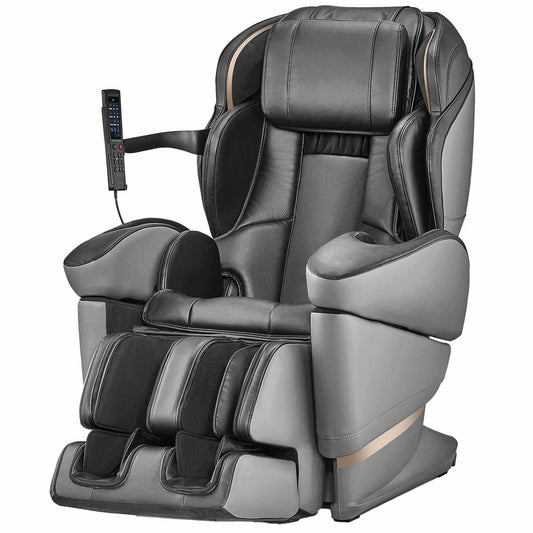
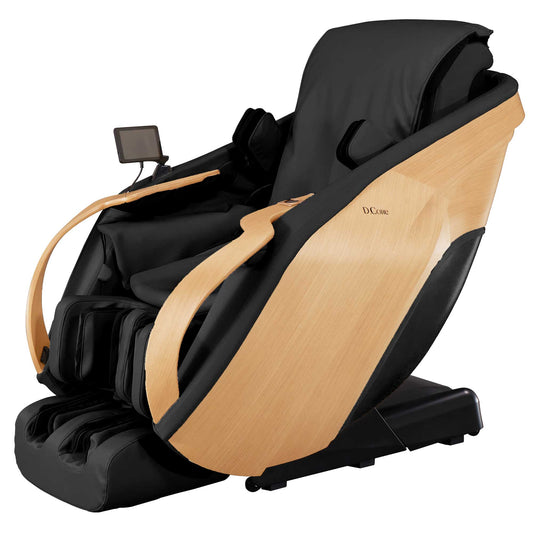
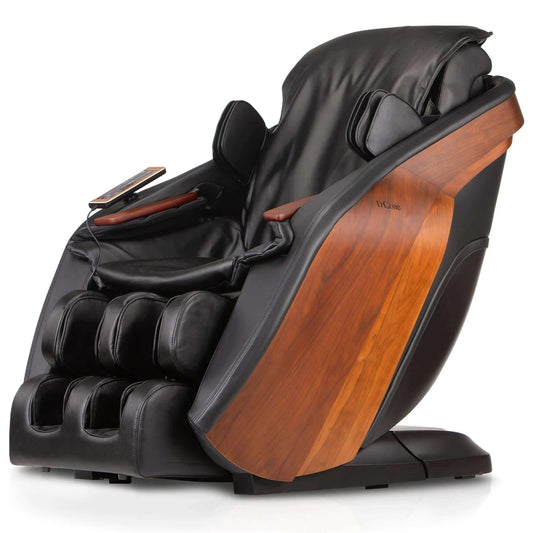
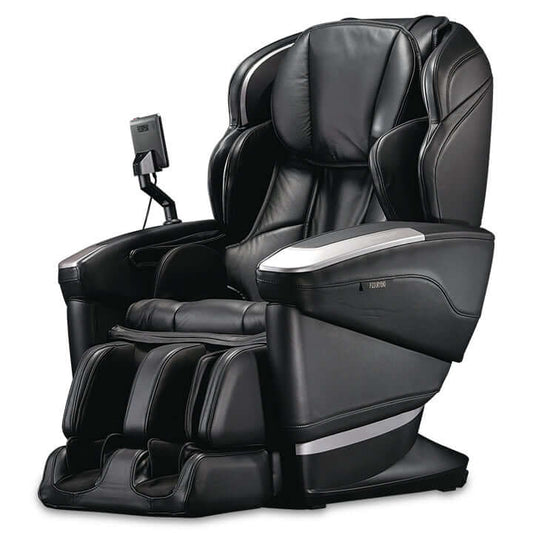
Fujiiryoki Massage Chair Protocols: Targeted Shiatsu, Reflexology & Deep-Tissue Programs for Ankles, Feet, Neck and Back to Boost Circulation, Flexibility & Pain Relief
Introduction: The Power of Targeted Chair Therapy
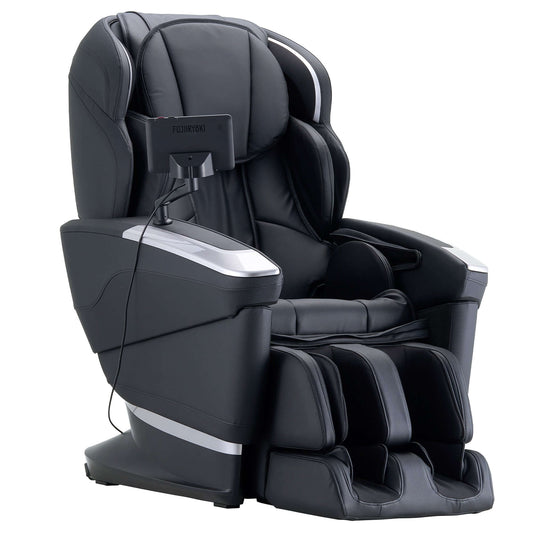
Fujiiryoki massage chairs are engineered to deliver clinic-grade techniques at home, combining shiatsu, reflexology, deep-tissue work and modern compression therapy into precise, repeatable protocols. Whether you are managing chronic neck pain, working to improve ankle mobility, recovering from intense training, or simply seeking daily circulation support, these chairs offer programmable sequences tailored to specific body parts and outcomes.
This extended guide walks through how Fujiiryoki protocols work, step-by-step routines for every major target area, technique breakdowns, evidence-based benefits, safety and troubleshooting, and guidance for choosing the right model and programs to meet your goals.
How Fujiiryoki Technology Simulates Professional Techniques
- Roller Systems: Multi-axis rollers travel along the spine and across the back to reproduce spinal mobilization, kneading and deep-tissue compression. Variable speed and depth let the chair mimic Swedish long strokes or focused deep-tissue pressure.
- Airbag Compression: Strategically placed airbags compress calves, ankles, feet, hands and shoulders to replicate manual compression, improve venous return and reduce edema.
- Shiatsu Nodes and Acupressure Points: Round nodes deliver rhythmic pressure to traditional meridian points, offering shiatsu-style release for the neck, shoulders and feet.
- Foot Rollers and Reflexology Nodules: Sculpted rollers stimulate plantar zones, supporting plantar fascia release and reflex-mediated systemic effects.
- Heating Elements: Integrated heating increases tissue temperature to enhance elasticity, reduce pain sensitivity and support deeper therapeutic work.
Key Massage Techniques Explained
- Swedish Massage - long effleurage strokes and light kneading that encourage circulation and relaxation; commonly used for warm-up and overall relaxation programs.
- Deep Tissue Massage - slow, high-pressure maneuvers targeting deep muscular layers and adhesions; used for chronic tightness in the back, shoulders and calves.
- Trigger Point Release - sustained pressure on hyperirritable spots to break pain cycles and restore local function.
- Shiatsu and Acupressure - rhythmic nodal pressure on meridian points to reduce tension and influence autonomic balance.
- Reflexology - targeted stimulation of plantar areas to address localized foot pain and potentially influence visceral comfort through reflex pathways.
- Kneading and Compression - circular and compressive patterns for myofascial release and improved venous flow.
Evidence and Physiologic Rationale
Mechanical massage and compression affect tissues through multiple mechanisms: increased local blood flow, reduced muscle tone, stimulation of mechanoreceptors that alter pain perception, and enhanced lymphatic and venous return. Heating raises tissue temperature, increasing collagen extensibility and reducing pain sensitivity. While a single chair session is not a cure-all, a consistent, correctly dosed protocol can reduce symptoms, speed recovery, and improve flexibility and function.
Targeted Protocols: Detailed by Body Part
Below are in-depth protocols focused on ankles, feet, neck and back plus adjacent areas such as calves, knees, shoulders and hands. Each protocol lists techniques, duration, intensity tips, and follow-up recommendations.
Ankles, Heels and Feet
- Techniques used: reflexology rollers, plantar shiatsu, cyclic ankle compression, gentle traction.
- Goals: enhance microcirculation, reduce plantar fascia tension, relieve heel pain and restore ankle dorsiflexion.
- Protocol: 15 to 20 minutes.
- Phase 1 (3 to 5 minutes): low-speed plantar rollers to warm the tissue and desensitize tender points.
- Phase 2 (6 to 8 minutes): alternating compression on ankles and heel-specific rollers; moderate intensity to treat tight plantar fascia without provoking sharp pain.
- Phase 3 (3 to 5 minutes): finish with mild heat and intermittent lighter compression to reduce post-protocol soreness.
- Aftercare: gentle calf and plantar stretches, toe curls, and incremental barefoot balance practice to strengthen intrinsic foot muscles.
Calves, Knees and Legs
- Techniques used: sequential air compression, deep kneading, longitudinal rollers and targeted heat.
- Goals: improve venous return, reduce cramping, flush metabolic byproducts and support knee joint mobility.
- Protocol: 12 to 25 minutes depending on needs.
- Phase 1 (3 to 5 minutes): distal to proximal compression to encourage blood flow toward the heart.
- Phase 2 (7 to 12 minutes): kneading and deep tissue patterns across the gastrocnemius and soleus; focus on insertional areas near the Achilles if tightness present.
- Phase 3 (3 to 5 minutes): light roller work on the thighs and gentle compression cycles to finish.
- Aftercare: progressive calf stretching, foam rolling, and controlled eccentric exercises for Achilles health when indicated.
Lower Back and Full Spine
- Techniques used: spinal rollers, deep tissue, trigger point release, heat, and posture-supportive zero gravity positioning if available.
- Goals: reduce paraspinal muscle tone, improve segmental mobility, and support spinal alignment and posture-related pain relief.
- Protocol: 15 to 30 minutes.
- Warm-up (4 to 6 minutes): gentle Swedish-style strokes along the spine to increase perfusion.
- Therapeutic phase (8 to 15 minutes): targeted deep-tissue work on identified tight segments and trigger points; use heat during or immediately before deep work for safer tissue compliance.
- Release and mobilization (3 to 8 minutes): spine roller sweeps at lower intensity to encourage glide and finish with light traction if available.
- Aftercare: core activation exercises, mobility drills and, for persistent issues, follow-up with manual therapy or physical therapy assessment.
Neck, Shoulders and Head
- Techniques used: cervical shiatsu nodes, gentle kneading, trigger point bursts, light traction and calming head pressure sequences.
- Goals: decrease tension headaches, restore cervical range of motion and reduce upper trapezius hypertonicity.
- Protocol: 8 to 15 minutes.
- Phase 1 (2 to 4 minutes): low-intensity shiatsu to reduce guarding.
- Phase 2 (4 to 8 minutes): brief trigger point pressure on knots with short recovery intervals; avoid prolonged high pressure on the neck.
- Phase 3 (2 to 3 minutes): soothing strokes and mild heat to conclude.
- Aftercare: cervical mobility work, scapular retraction exercises, and ergonomic adjustments to reduce recurrence.
Hands, Wrists and Forearms
- Techniques used: small compression chambers, kneading of forearm musculature and light acupressure on palmar zones.
- Goals: reduce repetitive strain symptoms, increase microcirculation and improve wrist flexibility.
- Protocol: 5 to 10 minutes; multiple short daily sessions are often best for repetitive strain.
- Aftercare: wrist stretches, tendon glides and strengthening exercises as appropriate.
Whole-Body Recovery and Periodization
For athletes and active people, integrate Fujiiryoki sessions into a recovery periodization plan:
- Pre-event: brief low-intensity sessions to warm tissue and prime circulation (5 to 10 minutes).
- Post-event: 20 to 30 minutes emphasizing compression, deep kneading of fatigued muscles and heat to accelerate metabolic clearance.
- Deload weeks: longer full-body programs (30 to 40 minutes) focused on relaxation and systemic recovery.
Example Routines for Different Lifestyles
Use these sample routines as templates. Adjust intensity and duration based on tolerance and goals.
- Desk Worker Relief (15 minutes daily): neck and shoulder shiatsu with brief cervical trigger point release, lower back rollers on low intensity, and 3 minutes of foot reflexology to counteract sitting-related circulation deficits.
- Runner Recovery (25 minutes post-run): calf compression and kneading, Achilles-focused rollers, thigh kneading, and 8 minutes of lumbar deep-tissue with heat.
- Frequent Traveler Protocol (20 minutes): full-leg compression to reduce swelling, foot reflexology, lumbar warm-up and gentle neck traction for jet lag and stiffness.
- Sedentary Elderly Care (10 to 20 minutes gentle): low-intensity whole-body Swedish-style program, emphasis on circulation and comfort; avoid high-intensity deep-tissue settings and get medical clearance if cardiovascular issues present.
Customization Tips: Getting Precise Results
- Start with baseline assessment: note areas of pain, stiffness and mobility restrictions so you can tailor the chair program and adjust surgical intensity.
- Combine techniques: begin with mild Swedish strokes, use heat, then progress to focused deep-tissue or trigger point patterns for best results.
- Use targeted presets: create or save custom programs when possible so you can reproduce the exact sequence that works for you.
- Adjust extremity sequencing: for venous return focus, always start distal and work proximally; for relaxation, a proximal-to-distal flow feels more calming.
Safety, Contraindications and Red Flags
- Medical clearance required for: deep vein thrombosis, active cancer in treated regions, uncontrolled hypertension, recent fractures or surgery, severe osteoporosis and pregnancy (especially first trimester). Specific chair features may be contraindicated in some conditions.
- Be cautious with neck protocols: avoid excessive cervical traction or deep high-pressure work on fragile neck tissue.
- Skin and sensory checks: neuropathy or reduced sensation increases risk of pressure injury; use gentler settings and monitor skin closely.
- Post-session soreness: mild, short-lived soreness is normal after deeper work. Severe or persistent pain warrants stopping use and contacting a healthcare provider.
Troubleshooting and Common Issues
- Roller noise or vibration increase: may indicate wear. Reduce intensity and schedule professional servicing.
- Ineffective foot rollers: check for debris, adjust foot position and ensure the chair's foot modules are engaging properly.
- Airbag underperformance: inspect for leaks, ensure compressor function and confirm seating position is correct to allow full compression cycles.
- Overly intense sensation: lower the intensity or switch to a Swedish-style setting; always prioritize comfort and safety.
Maintenance and Longevity Tips
- Keep upholstery clean: use recommended cleaners and avoid harsh chemicals that degrade materials.
- Power protection: use a reliable surge protector to prevent damage to electronic control boards and motors.
- Regular inspection: check airbags, zippers and roller housing for wear; replace parts per manufacturer guidance to maintain performance.
- Professional servicing: schedule a technician inspection every 1 to 3 years depending on usage intensity.
Choosing the Right Fujiiryoki Model for Your Goals
When selecting a model, match features to your primary needs:
- Foot health and reflexology: prioritize models with multi-zone foot rollers and adjustable plantar node intensity.
- Chronic back and spine issues: look for full-spine L-track or S-track systems, adjustable roller depth and robust trigger point capabilities.
- Circulation and travel recovery: leg and ankle compression chambers, progressive compression sequences and auto programs for lower-leg focus are essential.
- Neck and shoulders: adjustable cervical node placement and safe, gentle traction options are beneficial.
Integrating Chair Therapy into a Holistic Plan
Best outcomes arise when chair therapy complements other healthy habits:
- Exercise: pairing massage with mobility and strengthening programs reduces recurrence of dysfunction and supports long-term gains in flexibility and pain reduction.
- Sleep and hydration: consistent sleep and fluid intake improve tissue recovery and amplify massage benefits.
- Manual therapy coordination: for complex cases, coordinate chair use with a physical therapist or massage therapist to ensure appropriate treatment sequencing.
Expanded FAQ
- How often should I use targeted programs? For chronic conditions, daily short sessions (10 to 20 minutes) are helpful. For acute recovery, use after activity and rest sessions 1 to 3 times per day as tolerated. Always tailor frequency to symptom response.
- Can the chair help with flexibility? Yes; heating combined with kneading and targeted release increases tissue extensibility. Pair sessions with active stretching for best results.
- Are Fujiiryoki chairs medically effective? They provide beneficial physiologic effects consistent with mechanical massage and compression. They support recovery and symptom relief, though complex pathologies may still require in-person clinical care.
- Is a chair better than hands-on therapy? Chairs offer consistency and convenience. They are excellent for maintenance and regular recovery but may not replace the nuanced assessment and manual skill of a trained therapist for complex or structural issues.
SEO Takeaways and How to Use This Guide
- Targeted protocols maximize the therapeutic value of a Fujiiryoki chair by focusing technique, timing and intensity on specific body parts such as ankles, feet, neck and back.
- Combining shiatsu, reflexology and deep-tissue patterns with heat and compression yields measurable benefits for circulation, flexibility and pain relief when used safely and consistently.
- Use the sample routines and customization tips in this guide to build a repeatable program that fits your lifestyle and therapeutic goals. Keep safety front of mind and consult healthcare professionals for complex medical conditions.
Fujiiryoki chairs can be powerful tools for daily recovery, chronic pain management and performance optimization. By understanding the underlying techniques and tailoring protocols by body part and goal, you can unlock better circulation, improved flexibility and meaningful pain relief—all from the comfort of home.
If you want, I can create printable protocol cards for specific needs such as runner recovery, desk worker relief or post-surgery safe maintenance, and tailor them to a specific Fujiiryoki model. Which would you like next?