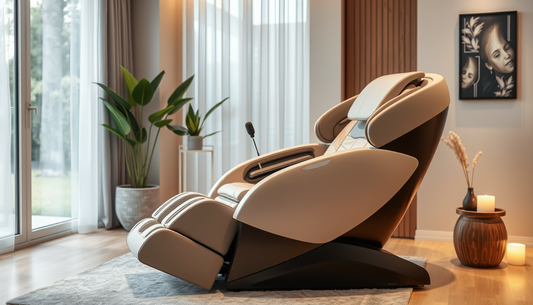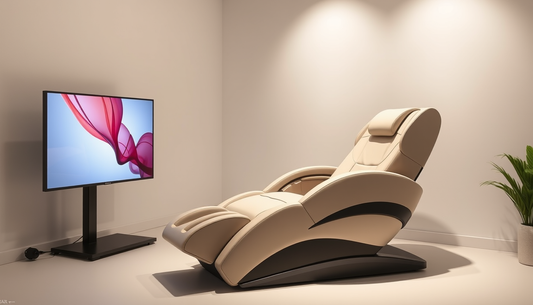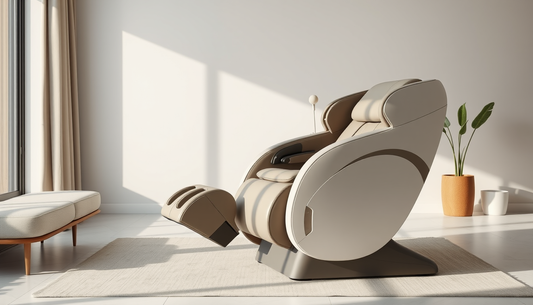
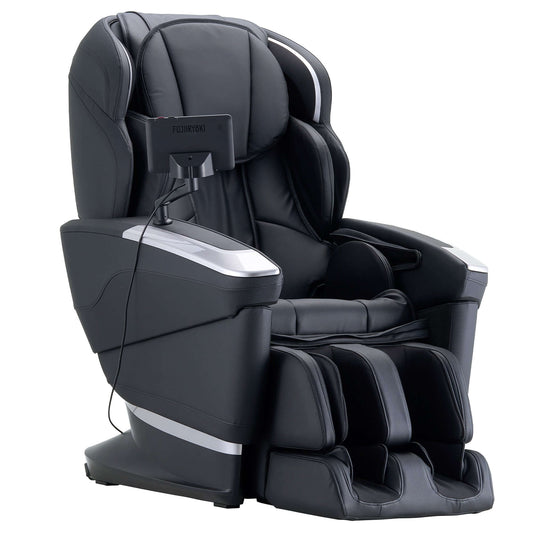
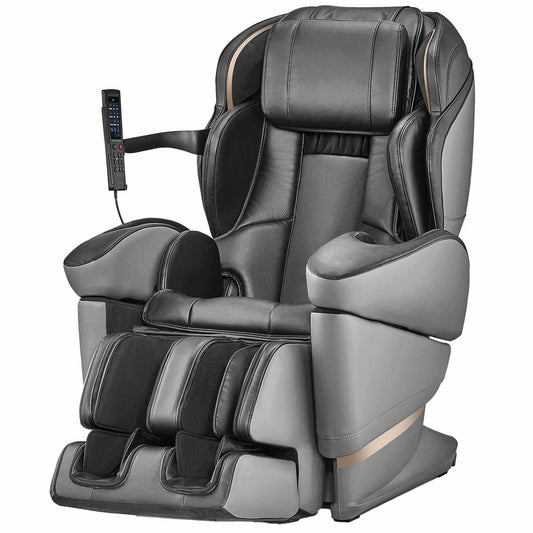
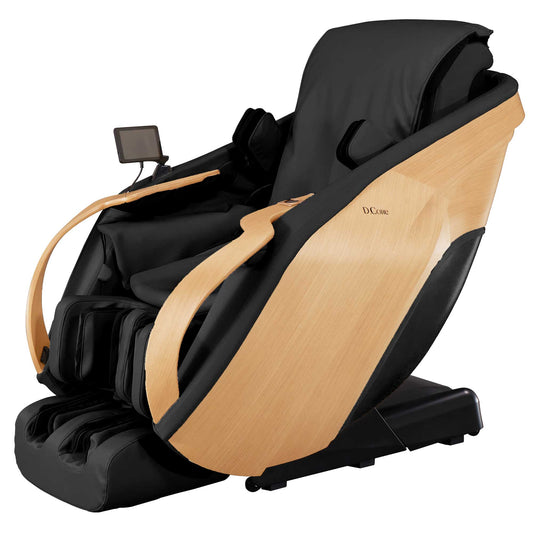
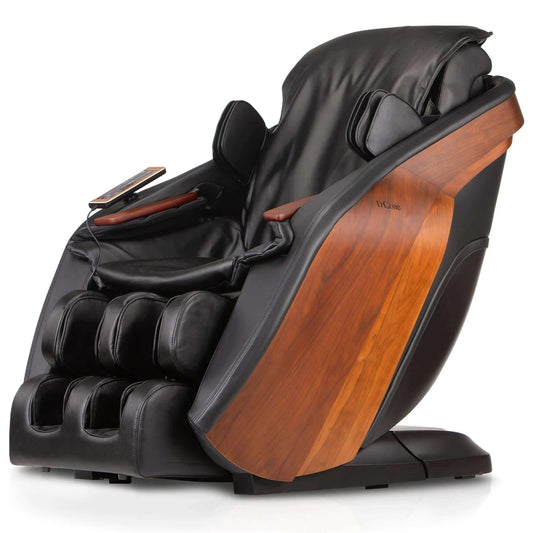
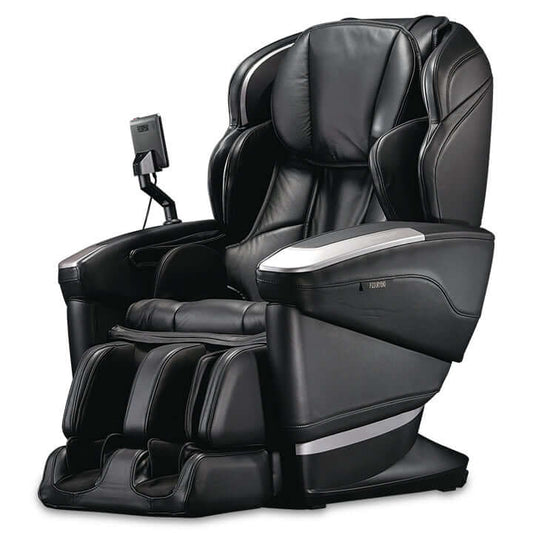

Presentación visual: cómo Fujiiryoki Los sillones de masaje asignan sueco, shiatsu, tejido profundo, punto gatillo, acupresión y reflexología a tobillos, cuello, espalda, pies y beneficios terapéuticos (flujo sanguíneo, alivio del dolor, recuperación)
Introducción: una guía visual y práctica para Fujiiryoki Sillones de masaje
Fujiiryoki Los sillones de masaje están diseñados para simular técnicas de masaje profesionales y brindar beneficios terapéuticos mensurables. En esta guía ampliada, presentamos un mapeo de estilo visual de técnicas de masaje para partes específicas del cuerpo, explicamos la mecánica de la silla detrás de cada técnica, brindamos recomendaciones de programas y entornos, y describimos rutinas prácticas que puede seguir en casa.
Este artículo está escrito para quienes buscan bienestar, atletas, personas que sufren de dolor crónico y cualquiera que investigue cómo Fujiiryoki las sillas pueden apoyar el control del flujo sanguíneo, el alivio del dolor, la recuperación y el bienestar general en 2025 y más allá.
Tabla de contenidos
- como Fujiiryoki La tecnología recrea técnicas de masaje
- Mapeo de un vistazo: técnicas, partes del cuerpo, beneficios
- Mapeo detallado de partes del cuerpo y configuraciones recomendadas
- Ejemplos de programas: rutinas para el flujo sanguíneo, alivio del dolor, recuperación, flexibilidad y estrés
- Elementos de diseño: rodillos, rieles en L, bolsas de aire, calefacción, módulos de pie
- Seguridad, contraindicaciones y mejores prácticas
- Mantenimiento, seguimiento del progreso y elección de un modelo
- Preguntas frecuentes
- Conclusión y próximos pasos
como Fujiiryoki La tecnología recrea técnicas de masaje
Fujiiryoki Combina componentes mecánicos y algoritmos de software para emular el tacto humano. Los elementos clave incluyen:
- Mecanismos de rodillos que se mueven a lo largo de rieles en S o en L para seguir los contornos de la columna y llegar a los glúteos.
- Rodillos multidimensionales que proporcionan amasado, golpeteo, compresión tipo shiatsu y presión profunda en el tejido.
- Bolsas de aire para compresión, presión sostenida y liberación gradual alrededor de pantorrillas, tobillos, caderas, hombros, manos y pies.
- Rodillos y nódulos para los pies adaptados a la reflexología y al trabajo de los puntos gatillo plantares
- Elementos calefactores para aumentar la flexibilidad del tejido y mejorar el flujo sanguíneo.
- Sensores y escaneos corporales para personalizar los puntos de presión y garantizar una cobertura específica
Todos estos elementos están orquestados por programas preestablecidos que emulan técnicas como sueco, shiatsu, tejido profundo, punto gatillo, acupresión, reflexología y amasamiento.
Mapeo de un vistazo: técnicas, partes del cuerpo y beneficios
Esta descripción general funciona como una hoja de trucos visual. Úselo para unir objetivos con programas y configuraciones.
-
Masaje Sueco
- Objetivos: Todo el cuerpo, espalda, cuello, hombros.
- Beneficios: mejora de la circulación, relajación, alivio del estrés, leve ganancia de flexibilidad.
-
Masaje Shiatsu
- Objetivos: cuello, espalda superior e inferior, caderas.
- Beneficios: Equilibrio energético, alivio del dolor localizado, regulación del sistema nervioso, mejora del soporte postural.
-
Tejido profundo
- Objetivos: espalda, hombros, muslos, pantorrillas.
- Beneficios: Liberación de adherencias, apoyo a la recuperación de lesiones, disminución del dolor muscular crónico.
-
Punto gatillo
- Objetivos: cuello, hombros, trapecio, pantorrillas, fascia plantar.
- Beneficios: Liberación de nudos, mayor movilidad, reducción del dolor localizado.
-
acupresión
- Objetivos: columna vertebral, cuello, pies, muñecas, tobillos.
- Beneficios: Modulación de la circulación, alivio de la fatiga, reducción del estrés.
-
Reflexología
- Objetivos: Plantas, talones, dedos de los pies, arcos.
- Beneficios: mejora de la circulación de las extremidades inferiores, relajación sistémica, apoyo a la recuperación.
-
Amasar
- Objetivos: espalda, hombros, muslos, pantorrillas.
- Beneficios: Relajación muscular, aumento de la elasticidad de los tejidos, alivio de la fatiga.
Mapeo detallado de partes del cuerpo y configuraciones recomendadas
Las siguientes secciones desglosan cómo Fujiiryoki asigna técnicas a cada parte del cuerpo objetivo, los componentes de la silla involucrados, los tipos e intensidad de programas recomendados y los resultados terapéuticos esperados.
cuello
- Técnicas primarias: Shiatsu, punto gatillo, amasamiento, sueco suave
- Componentes de la silla: rodillos para el cuello multidimensionales, reposacabezas con soporte de aire, intensidad ajustable
- Configuraciones recomendadas: Intensidad baja a media para uso diario, de 10 a 15 minutos por sesión; Mayor intensidad solo para ráfagas cortas cuando se apunta a nudos profundos.
- Beneficios: reducción de la tensión cervical, mejor rango de movimiento, alivio del dolor de cabeza, mejora de la movilidad nerviosa
Hombro
- Técnicas primarias: tejido profundo, amasado, compresión de aire, shiatsu
- Componentes de la silla: bolsas de aire para los hombros, rodillos de amasado específicos, calor para la parte superior de la espalda
- Configuraciones recomendadas: Intensidad media a alta para aliviar el desencadenante, de 12 a 20 minutos; incluir calor para aliviar la rigidez muscular
- Beneficios: Alivia la tensión del trapecio, reduce la postura de los hombros redondeados, mejora la movilidad del hombro.
Espalda (superior, media, inferior) y columna vertebral
- Técnicas primarias: tejido profundo, sueco, shiatsu, punto gatillo
- Componentes del sillón: rodillos con riel en L o en S, rodillos de presión variable, calor lumbar, zonas de enfoque
- Configuraciones recomendadas: Para tensión crónica use tejido profundo a velocidades más bajas; para circulación y recuperación utilice deslizadores suecos/largos con calor; 15 a 30 minutos dependiendo de la intensidad
- Beneficios: alivio del dolor, soporte mejorado para la alineación de la columna, reducción de los espasmos musculares, recuperación mejorada de los entrenamientos
becerro
- Técnicas primarias: amasado, tejido profundo, punto gatillo, compresión
- Componentes de la silla: airbags para las pantorrillas, rodillos, aplicación de calor.
- Configuraciones recomendadas: Ciclos de compresión secuenciales de intensidad media para mejorar el retorno venoso, de 10 a 15 minutos
- Beneficios: reducción de la tensión post-ejercicio, mejor flujo sanguíneo de distal a proximal, disminución de la frecuencia de los calambres
Tobillos y talones
- Técnicas primarias: reflexología, punto gatillo, compresión.
- Componentes de la silla: bolsas de aire con compresión específica en el tobillo, nodos de rodillos para el talón y el arco
- Configuraciones recomendadas: intensidad baja a media, programas de reflexología de enfoque de 8 a 12 minutos; incluir nodos específicos del talón para la tensión de la fascia plantar
- Beneficios: Alivio del dolor en el talón, mejora de la movilidad del tobillo, reducción de la hinchazón, soporte para el manejo de la fascitis plantar cuando se usa como complemento
Pies y dedos de los pies
- Técnicas primarias: reflexología, amasamiento, acupresión.
- Componentes de la silla: rodillos para los pies, nódulos en la planta, compresión de aire para los dedos de los pies, velocidad ajustable
- Configuraciones recomendadas: Programas de reflexología de intensidad baja a media para la circulación; 10 a 15 minutos por sesión
- Beneficios: Relajación sistémica, disminución de la fatiga plantar, mejora de la circulación local y estimulación sensorial.
Manos y muñecas
- Técnicas primarias: compresión de aire, acupresión.
- Componentes de la silla: Airbags de mano, soportes para muñecas con ciclos de compresión.
- Configuraciones recomendadas: Baja intensidad, de 5 a 10 minutos para aliviar la tensión repetitiva
- Beneficios: Reducción de la rigidez, alivio del dolor localizado, mejora de la microcirculación en las manos.
Rodilla y muslo
- Técnicas primarias: amasado, tejido profundo, compresión de aire
- Componentes de la silla: bolsas de aire para los muslos, zonas de presión con rodillos, soportes de longitud de piernas ajustables
- Configuraciones recomendadas: Intensidad media, use ciclos más largos para recuperarse después del ejercicio; 12 a 20 minutos enfocados en piernas
- Beneficios: Recuperación muscular, mayor flexibilidad de cuádriceps e isquiotibiales, disminución de la rigidez alrededor de la articulación de la rodilla.
Todo el cuerpo
- Técnicas Primarias: Combinación de Sueco, Amasamiento, Shiatsu, Reflexología
- Componentes de la silla: secuencias coordinadas de programa completo utilizando rodillos, bolsas de aire, calefacción y módulos para los pies.
- Configuraciones recomendadas: Para una recuperación general y alivio del estrés, elija el modo de relajación de todo el cuerpo durante 20 a 30 minutos; para una recuperación intensa dividida en dos sesiones más cortas
- Beneficios: aumento de la circulación general, reducción del estrés, mejora del sueño, recuperación sistémica
Cómo las técnicas específicas generan efectos terapéuticos
A continuación se incluyen notas rápidas sobre por qué cada técnica se relaciona con sus resultados terapéuticos cuando la realiza Fujiiryoki sillas.
- Masaje Sueco: Los movimientos largos y deslizantes promueven el retorno venoso y el flujo linfático, reduciendo la hinchazón y la fatiga.
- Shiatsu: la presión concentrada se alinea con los puntos meridianos, proporcionando relajación neuromuscular y señales de regulación del estrés.
- Tejido profundo: el trabajo con rodillo más lento y firme llega a la fascia más profunda y ayuda a romper las adherencias, lo que ayuda a la recuperación de lesiones.
- Punto gatillo: la presión puntual sostenida desactiva los nudos y reduce los patrones de dolor referido.
- Acupresión: Estimula puntos específicos para modular el flujo sanguíneo y reducir la excitación autonómica relacionada con el estrés y la fatiga.
- Reflexología: Estimula las zonas de los pies para promover la relajación sistémica y apoyar indirectamente la circulación relacionada con los órganos.
- Amasado: el movimiento circular cíclico aumenta la temperatura y la elasticidad del tejido local para ganar flexibilidad.
Ejemplos de programas y rutinas de muestra
Estas son sugerencias basadas en evidencia que puede adaptar a la tolerancia individual.
Rutina A: Aumento de la circulación matutina (10 a 15 minutos)
- Combinación de técnicas: cuerpo completo sueco + reflexología podal
- Configuraciones: intensidad baja a media, sin tejido profundo, incluye compresión de piernas
- Objetivo: aumentar el flujo sanguíneo periférico, impulsar el metabolismo y reducir la rigidez matutina
Rutina B: Recuperación Post-Entrenamiento (20 a 35 minutos)
- Combinación de técnicas: tejido profundo centrado en la espalda y los muslos, seguido de compresión de pantorrilla y reflexología.
- Configuraciones: tejido profundo de intensidad media, calor en la zona lumbar, compresión secuencial de pantorrilla
- Objetivo: Reducir DOMS, acelerar la recuperación muscular, eliminar los desechos metabólicos
Rutina C: Dolor crónico de cuello y hombros (15 a 20 minutos)
- Combinación de técnicas: Punto gatillo + Shiatsu centrado en cuello y hombros, finalizar con suave sueco
- Configuraciones: presión precisa dirigida, breves ráfagas de alta intensidad con períodos de descanso, uso de calor
- Objetivo: liberar puntos gatillo, mejorar el rango de movimiento, reducir los dolores de cabeza referidos
Rutina D: Sueño y Reducción del Estrés (25 a 40 minutos antes de acostarse)
- Combinación de técnicas: Shiatsu suave, brazadas suecas largas, reflexología podal ligera
- Configuraciones: baja intensidad, duración extendida, programa calmante si está disponible
- Objetivo: Reducir la activación simpática, promover el estado parasimpático y mejorar el inicio del sueño.
Explicación de los elementos de diseño: por qué son importantes los componentes
- L-track vs S-track: L-track extiende los rodillos debajo de los glúteos para trabajar los isquiotibiales y los glúteos; S-track se adapta a la curvatura de la columna para una cobertura lumbar y torácica precisa.
- Rodillos multidimensionales: ofrecen un ligero movimiento lateral, de adelante hacia atrás, de arriba a abajo para simular el amasado y la presión similar a la del pulgar.
- Bolsas de aire: brindan compresión graduada, imitan apretones de manos y ayudan con el drenaje linfático.
- Módulos para pies: combinan nódulos rodantes, amasados y específicos para reflexología y liberación de puntos gatillo plantares.
- Calor: Eleva la temperatura del tejido, aumentando la elasticidad y mejorando la circulación durante las sesiones centradas en el tejido profundo o la recuperación.
Seguridad, contraindicaciones y mejores prácticas
- Seguridad general: Comience con baja intensidad y aumente gradualmente. Las duraciones típicas seguras oscilan entre 10 y 30 minutos, según el programa y los objetivos.
- Contraindicaciones médicas: Evite o consulte a un profesional de la salud si tiene trombosis venosa profunda, osteoporosis severa, fracturas recientes, dispositivos médicos implantables que puedan verse afectados, hipertensión no controlada o está embarazada sin aprobación médica.
- Monitoreo del dolor: una leve molestia durante el trabajo de tejido profundo puede ser normal, pero deténgase si experimenta un dolor agudo, que se irradia o que empeora.
- Hidratación y recuperación: Beba agua después de las sesiones para favorecer la circulación y la depuración metabólica.
- Frecuencia: Para el mantenimiento general, pueden resultar beneficiosas de 3 a 5 sesiones por semana; para una recuperación o terapia aguda, siga las instrucciones de su médico o fisioterapeuta.
Mantenimiento, seguimiento del progreso y elección de un modelo
- Mantenimiento: limpie la tapicería con limpiadores aprobados por el fabricante, mantenga los rodillos y los módulos de pies libres de residuos, programe un servicio profesional según las recomendaciones del manual.
- Seguimiento del progreso: mantenga un registro de la sesión anotando la fecha, el programa, la intensidad, la duración y los cambios en los síntomas. Medidas objetivas como la amplitud de movimiento, las escalas de dolor y la calidad del sueño ayudan a identificar protocolos eficaces.
- Elegir un modelo: priorice la longitud de la pista si necesita trabajar los glúteos y los isquiotibiales, elija módulos de pie avanzados para enfatizar la reflexología y compare programas preestablecidos para las técnicas que más utiliza.
Consideraciones de comparación de modelos
Al seleccionar un Fujiiryoki presidente, considere estos factores de decisión en lugar de centrarse únicamente en características específicas:
- Tipo de pista y longitud para cobertura de espalda y glúteos.
- Rango de intensidad y capacidad de ajuste para la capacidad del tejido profundo
- Sofisticación del módulo de pie para tratamientos de reflexología y talones
- Configuración de airbag para pantorrillas, tobillos, manos y hombros
- Usabilidad y programabilidad de la interfaz de control para personalizar sesiones
Medición de resultados: qué esperar y cuándo
- Efectos inmediatos: aumento del calor, reducción de la rigidez, reducción temporal del dolor, mejor sueño después de las sesiones de relajación.
- A corto plazo (1 a 4 semanas): mejoras notables en la flexibilidad, reducción del DOMS después del ejercicio, menos dolores de cabeza tensionales.
- A largo plazo (1 a 3 meses): tiempos de recuperación mejorados, reducción más consistente del dolor en problemas crónicos cuando se usa como complemento del ejercicio y la terapia.
Preguntas frecuentes
-
puede Fujiiryoki ¿Las sillas reemplazan a un masajista humano?
Son complementos poderosos y pueden replicar muchas técnicas de manera confiable, pero los terapeutas humanos siguen siendo importantes para la evaluación manual, los ajustes dinámicos y la terapia práctica para condiciones complejas.
-
¿Con qué frecuencia debo usar un Fujiiryoki silla para recuperación?
Para los atletas o usuarios activos, pueden ser efectivas sesiones cortas diarias o sesiones más largas cada dos días. Adapte siempre la frecuencia a las necesidades de tolerancia y recuperación.
-
¿Qué programa es mejor para la fascitis plantar?
Busque reflexología más programas específicos para los puntos gatillo del talón, combinados con compresión y calor en la pantorrilla. Úselo como terapia complementaria junto con estiramientos y orientación médica.
-
¿Es necesario el calor para obtener beneficios en los tejidos profundos?
El calor no es estrictamente necesario, pero a menudo mejora la comodidad y la flexibilidad del tejido, lo que permite una presión más profunda con menos molestias.
Consejos de SEO para utilizar este contenido
- Palabra clave principal: Fujiiryoki Los sillones de masaje deben aparecer de forma natural en los títulos y encabezados.
- Palabras clave de cola larga: utilice frases como Fujiiryoki reflexología podal, Fujiiryoki entornos de tejido profundo, y Fujiiryoki programa de circulación del tobillo
- Estructura: utilice encabezados H2 para las secciones principales y H3 para las subrutinas para mejorar la legibilidad y el rendimiento de SEO.
- Enlace interno: enlace a páginas de productos, comparaciones de modelos y páginas de evidencia clínica si publica esto en un sitio.
- Intención del usuario: servir a quienes buscan alivio del dolor, recuperación, mejora de la circulación y explicaciones técnicas.
Conclusión y próximos pasos
Fujiiryoki Los sillones de masaje asignan técnicas de masaje profesionales a partes específicas del cuerpo mediante una combinación de rodillos, bolsas de aire, calor y programas inteligentes. Cuando se combinan con objetivos claros como el control del flujo sanguíneo, el alivio del dolor o la recuperación, estas sillas se convierten en herramientas poderosas en una rutina de bienestar en el hogar. Comience por identificar sus objetivos principales, pruebe las rutinas recomendadas, realice un seguimiento de su progreso y consulte a profesionales médicos en caso de afecciones complejas.
Para maximizar los beneficios en 2025, priorice los modelos con el tipo de pista, rango de intensidad y características del módulo de pie que se alineen con sus necesidades, y utilice sesiones consistentes y específicas adaptadas a las partes del cuerpo que desea mejorar.
Llamado a la acción
Programe una demostración en una sala de exposición o solicite videos guiados a personas autorizadas Fujiiryoki distribuidores. Experimente con las rutinas de muestra anteriores, registre sus resultados durante cuatro semanas y refine la configuración según los resultados. Si tiene inquietudes médicas, consulte a un proveedor de atención médica antes de comenzar un programa intensivo.
Etiquetas:
Anterior
Presentación de 15 diapositivas: Fujiiryoki Sillones de masaje: mapeo de técnicas suecas, shiatsu y de tejido profundo para los beneficios de los tobillos, el cuello, la espalda y todo el cuerpo
Próximo
Fujiiryoki Sillones de masaje: guía de presentación de diapositivas: mapeo del sueco, shiatsu, tejido profundo y reflexología en las áreas objetivo (tobillo, cuello, espalda, pies) y beneficios clínicos