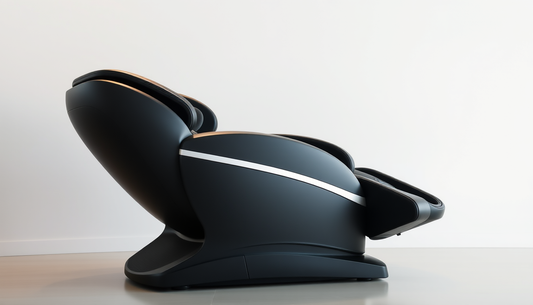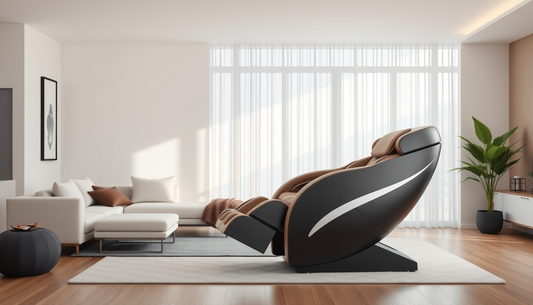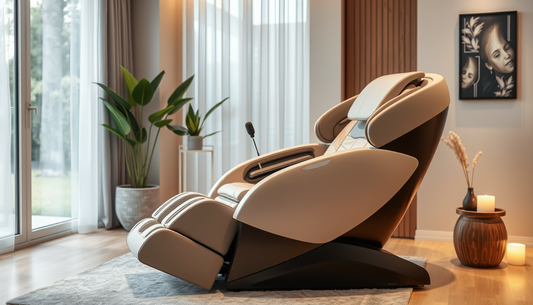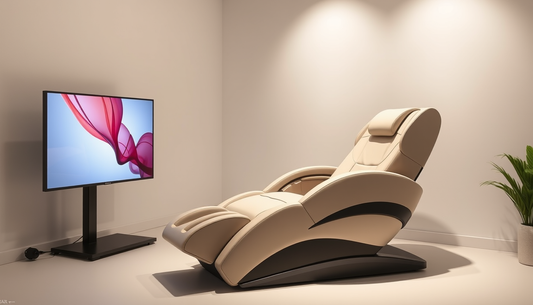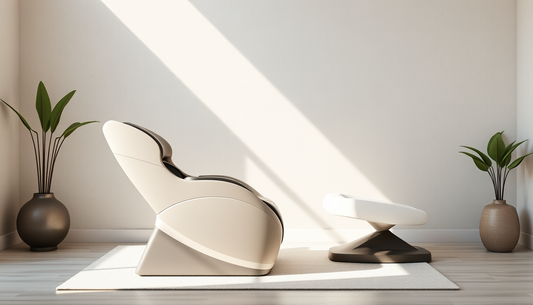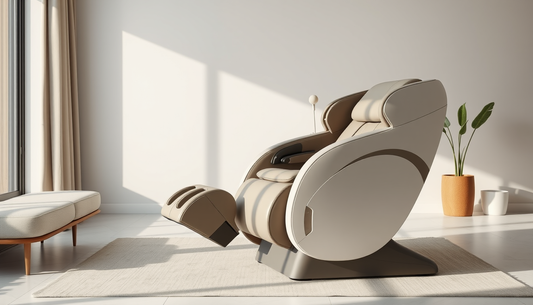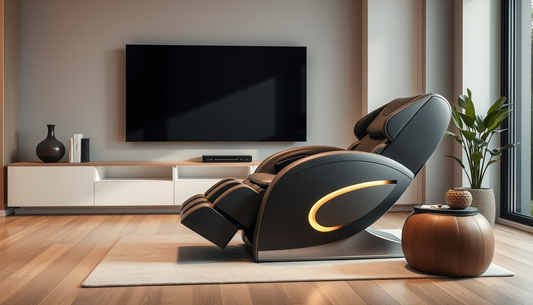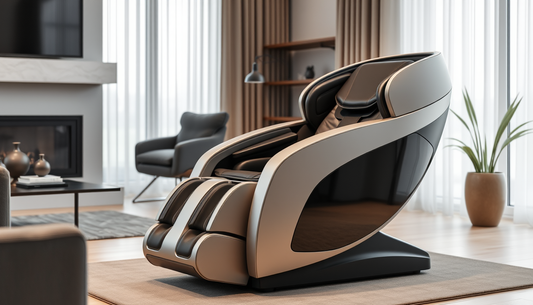
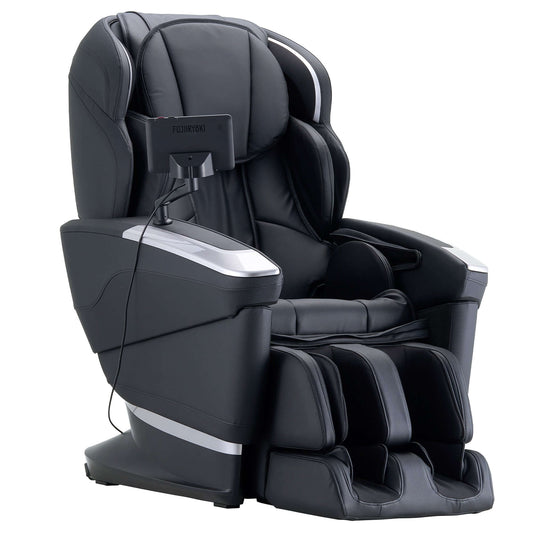
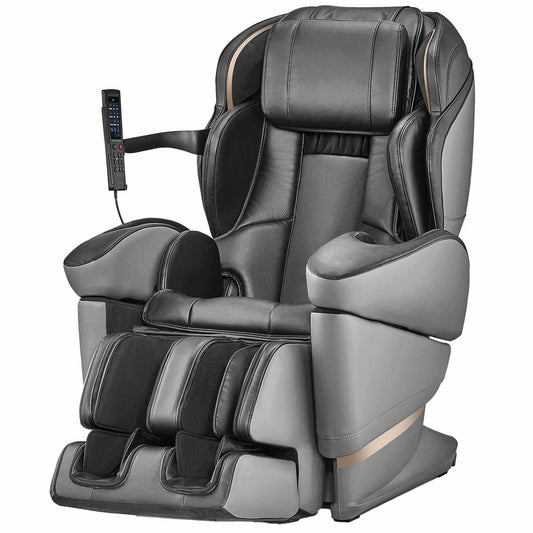
Fujiiryoki Sillones de masaje en foco: una guía estilo presentador sobre técnicas específicas (Shiatsu, reflexología, tejido profundo) y beneficios para todo el cuerpo, desde el tobillo hasta la cabeza
Introducción: Fujiiryoki en foco para presentadores y profesionales
En esta guía de estilo del presentador, exploramos cómo Fujiiryoki Los sillones de masaje traducen técnicas de nivel profesional en una experiencia de spa en casa. Cubrimos métodos específicos como Shiatsu, Reflexología y Tejido Profundo, y los conectamos con un beneficio holístico para todo el cuerpo, desde el tobillo hasta la cabeza. La guía proporciona un mapa claro de cómo cada técnica involucra partes específicas del cuerpo, cómo estructurar una sesión como un presentador experto y cómo combinar modalidades clásicas como el masaje sueco, la terapia de puntos gatillo, la acupresión y el amasamiento para maximizar el alivio, la recuperación y la relajación.
Tecnología y diseño detrás Fujiiryoki Excelencia
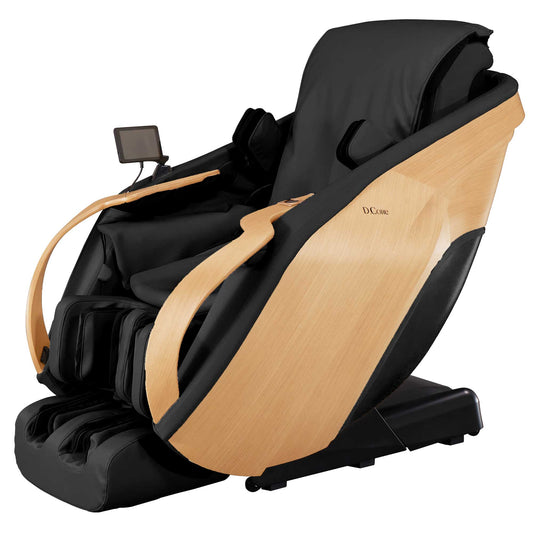
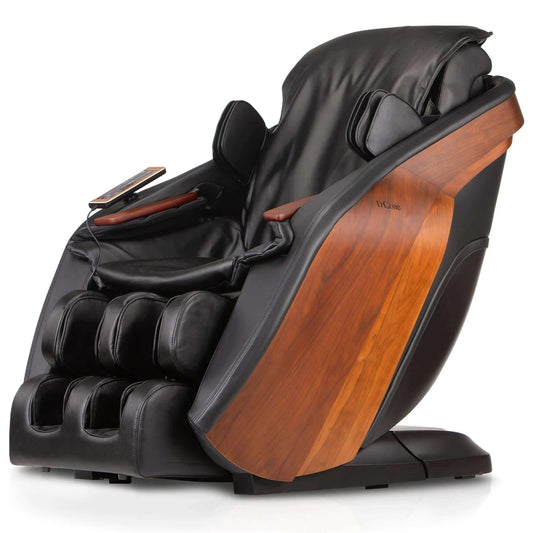
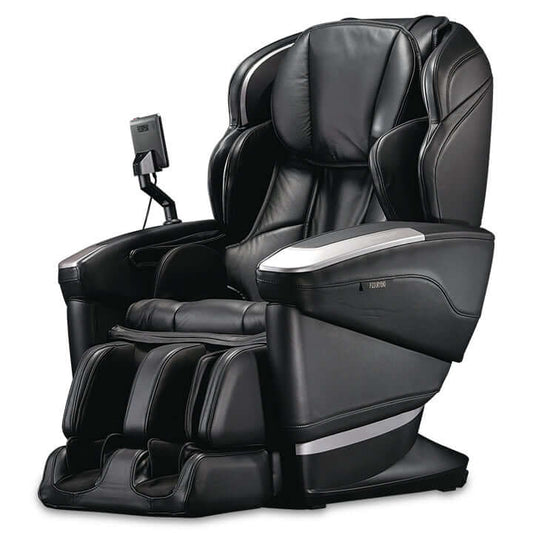
Fujiiryoki destaca en el concurrido mercado de sillones de masaje gracias a una combinación de mecánica sofisticada y ergonomía bien pensada. Espere características como rodillos adaptables, cojines de aire en capas, terapia de calor y mapeo corporal inteligente que personaliza una sesión según su físico único. En la práctica, estas sillas ofrecen una variedad de patrones de movimiento, recorridos de rodillos ajustables y secuencias de presión de aire que pueden simular un enfoque práctico desde el cuello hasta los pies, manteniendo al mismo tiempo un funcionamiento silencioso y eficiencia energética.
- Rodillos de masaje 3D y 4D que se ajustan al contorno del cuerpo
- SL y L Track se extienden a lo largo de la columna y hasta las caderas.
- Sistemas de bolsas de aire para compresión similar a un guante en brazos, piernas y pies.
- Zonas calentadas para relajación muscular y mejora de la circulación.
- Controles precisos de sincronización e intensidad para ajustes preestablecidos personalizados
Partes del cuerpo específicas cubiertas: un mapa completo
- Tobillo
- Atrás
- becerro
- Pies
- manos
- cabeza
- Tacón
- rodilla
- Piernas
- cuello
- Hombro
- Muslo
- Muñeca
- Todo el cuerpo
Masaje Shiatsu con Fujiiryoki: Presión con propósito
shiatsu en un Fujiiryoki La silla utiliza una presión deliberada similar a la de un dedo para aprovechar las líneas de energía y liberar la tensión profunda. La silla simula un contacto sostenido y preciso que viaja desde la parte superior del cuello a lo largo de la columna hasta las caderas, creando una cascada de alivio de arriba a abajo.
- Cuello y hombros: tracción vertical y presión profunda de apoyo a lo largo del trapecio y los músculos del cuello.
- Espalda y columna: presión longitudinal que alinea los segmentos torácicos y lumbares.
- Caderas y Muslos: amasado lateral que mejora el rango de movimiento y afloja la rigidez postural
- Pies y tobillos: presión plantar sutil y señales reflejas para el equilibrio general
Reflexología: conectividad en todo el cuerpo
Reflexología en Fujiiryoki Las sillas aprovechan el mapeo del pie y las señales reflejas para crear una reacción en cadena que impacta las pantorrillas, las rodillas, las caderas e incluso la columna a través de la relajación sistémica. El efecto combinado ayuda a energizar el cuerpo mientras calma el sistema nervioso.
- Pies y tobillos: puntos específicos que estimulan los canales de energía y liberan tensión.
- Pantorrilla y piernas: la presión en cascada mejora la circulación y reduce la fatiga
- Cabeza y cuello: las señales reflejas ayudan a aliviar la tensión de la parte superior del cuerpo y mejorar la circulación craneal.
Enfoque del masaje de tejido profundo: liberación de nudos y tensión fascial
Sesiones de tejido profundo en un Fujiiryoki La silla opera en capas musculares y fascias más profundas. El sistema utiliza movimientos lentos deliberados y rodillos robustos para abordar nudos, adherencias y desequilibrios posturales formados por la vida diaria, el entrenamiento o estar sentado durante mucho tiempo.
- Espalda y hombros: nudos y adherencias específicos liberados mediante un compromiso más profundo
- Cuello y cabeza: alivio de los dolores de cabeza tensionales y la tensión en el cuello.
- Piernas y pantorrillas: dolor reducido y movilidad mejorada después de largos días o entrenamientos
Técnicas de masaje adicionales y cómo se complementan entre sí
Más allá del Shiatsu, la reflexología y el tejido profundo, Fujiiryoki Las sillas integran varias modalidades para atender cada momento de necesidad. Cuando se usan con intención, el masaje sueco, la terapia de puntos gatillo, la acupresión y el amasamiento se pueden combinar en capas para maximizar los beneficios sin abrumar al cuerpo.
- Masaje sueco: movimientos largos y deslizantes para calentar los músculos y preparar el tejido.
- Masaje de puntos gatillo: presión precisa sobre puntos hiperirritables para reducir el dolor referido
- Acupresión: estimulación dirigida a lo largo de líneas energéticas para el equilibrio sistémico
- Amasado: compresión rítmica para mejorar la flexibilidad del tejido y el flujo sanguíneo.
Beneficios para todo el cuerpo, desde el tobillo hasta la cabeza
Un bien estructurado Fujiiryoki La sesión produce un espectro de beneficios que respaldan el rendimiento diario y el bienestar a largo plazo. La siguiente lista captura los resultados principales que puede esperar cuando se aborda la sesión con intención y progresión adecuada.
- Control del flujo sanguíneo: la circulación mejorada favorece la entrega de nutrientes y la eliminación de toxinas.
- Alivio de la fatiga: recuperación acelerada después de actividad o jornadas largas
- Mejora de la flexibilidad: mejor rango articular y flexibilidad muscular.
- Recuperación de lesiones: terapia de apoyo para distensiones menores cuando se usa con precaución
- Terapia muscular: trabajo específico en nudos rebeldes y bandas apretadas
- Alivio del dolor: reducción del malestar persistente cuando se usa de manera constante
- Alineación de la columna vertebral: realineación suave mediante posturas de apoyo y masajes.
- Alivio del estrés: activación del estado parasimpático para el descanso y la recuperación.
- Terapia de tejidos: mejora de la salud de los tejidos mediante estimulación repetida y controlada
Arquitectura de sesión: un flujo de estilo presentador
Utilice esta sección como modelo para estructurar su Fujiiryoki sesión de una manera que refleje una presentación profesional. Comience con el contexto, avance por las técnicas y termine con un resumen de los logros.
- Apertura: establece la intención y elige el ajuste preestablecido correcto según el nivel de energía y los objetivos.
- Calentamiento: comience con amasado sueco o ligero para preparar el tejido.
- Técnicas específicas: recorra Shiatsu, Reflexología y Tejido Profundo, con transiciones planificadas
- Integración: combine acupresión y amasado para profundizar el alivio
- Enfriamiento: finalice con suaves indicaciones de estiramiento desde la silla y respiración profunda.
- Reflexión: anotar áreas de mejora o tensiones recurrentes para sesiones futuras
Planificación de sesiones: ajustes preestablecidos, personalización y personalización
Fujiiryoki Las sillas brillan en personalización. Utilice una combinación de ajustes preestablecidos y ajustes manuales para adaptar cada sesión al cuerpo con el que está trabajando. Considere el siguiente marco al planificar una rutina a largo plazo.
- Comience con un ajuste preestablecido suave y aumente progresivamente la intensidad para evitar la sobrecarga.
- Priorice primero la parte inferior del cuerpo si la fatiga se concentra allí, luego avance hacia arriba
- Combine Shiatsu con Reflexología para un perfil de alivio holístico
- Integre modos de tejido profundo después de los entrenamientos para recuperación y remodelación
- Utilice la terapia de calor estratégicamente para relajar el tejido antes de un trabajo más profundo.
- Guarde perfiles personalizados para diferentes necesidades, como después del entrenamiento, refrescarse por la mañana o relajarse por la noche.
Opciones de personalización: comprensión de las herramientas
Saber qué funciones ajustar le ayuda a maximizar los resultados. Las palancas clave en un Fujiiryoki silla incluyen el tipo de trayectoria del rodillo, la profundidad, la velocidad, la presión del aire, las zonas de calor y la intensidad del estiramiento. Cuando se combina con una secuencia reflexiva, se obtiene una sesión que es a la vez reparadora y mejora el rendimiento.
- Roller Path: movimiento 3D o 4D a lo largo de la columna y los hombros.
- Profundidad: superficial para sensibilidad, profunda para nudos
- Velocidad: lenta para el tejido profundo, más rápida para la circulación.
- Presión de aire: compresión ligera a fuerte en las extremidades según sea necesario
- Zonas de calor: zonas cálidas opcionales que preceden a un trabajo más profundo
- Intensidad del estiramiento: elongación segura y controlada de caderas y columna
Consejos prácticos para maximizar los beneficios
Pequeños ajustes durante una sesión pueden generar grandes ganancias. Utilice estos consejos prácticos para perfeccionar su experiencia y amplificar los resultados.
- Comience con un patrón de respiración a un ritmo consciente para indicarle a su cuerpo que se relaje.
- Apunte primero a las áreas más tensas para desbloquear la liberación posterior
- Respetar los límites; Si un punto se siente demasiado sensible, retroceda y reformule el enfoque.
- Hidratarse después de una sesión para favorecer la recuperación de tejidos y la eliminación de desechos.
- Programe sesiones periódicas para construir una trayectoria progresiva de alivio.
Verificación de conocimientos: preguntas comunes y cómo Fujiiryoki Les responde
Al presentar y educar a otros sobre Fujiiryoki experiencias, mantenga estas preguntas frecuentes en su caja de herramientas. Ayudan a generar confianza y comprensión con los nuevos usuarios.
- puede Fujiiryoki Las sillas reemplazan la terapia de masaje profesional.
- ¿Las señales de reflexología son efectivas para todo el cuerpo?
- ¿Cuál es la diferencia entre los programas de Shiatsu y Acupresión en silla?
- ¿Cómo debo abordar los modos de tejido profundo de forma segura?
Mantenimiento y longevidad: cuidando su inversión
Para mantener el máximo rendimiento, siga estas sencillas pautas de cuidado. La limpieza regular, el mantenimiento de los componentes electrónicos secos y el mantenimiento profesional periódico pueden prolongar la vida útil del sillón y preservar la calidad del masaje.
- Limpie las superficies con un paño suave y húmedo; Evite los limpiadores fuertes
- Inspeccione las correas y cojines en busca de desgaste y reemplácelos según sea necesario.
- Mantenga la silla en un espacio climatizado y alejado de la humedad.
- Siga las recomendaciones del fabricante para el mantenimiento del filtro y del sistema de aire.
Conclusión: un camino estilo presentador hacia la salud y la relajación
Fujiiryoki Los sillones de masaje ofrecen una plataforma versátil para explorar un conjunto de técnicas, desde Shiatsu hasta tejido profundo y reflexología, aplicadas en todas las regiones importantes del cuerpo, desde el tobillo hasta la cabeza. Cuando aborda las sesiones como lo haría un presentador en un taller, puede ofrecer un flujo coherente que genere alivio, movilidad y resiliencia con el tiempo. Al combinar técnicas específicas con una secuenciación cuidadosa y aprovechar las funciones avanzadas de la silla, puede lograr mejoras mensurables en el flujo sanguíneo, la fatiga, la flexibilidad y el alivio del estrés, todo mientras disfruta de una experiencia práctica de spa en casa.
Etiquetas:
Anterior
Fujiiryoki Clase magistral: Cómo el sueco, el shiatsu, los tejidos profundos y la reflexología transforman el bienestar del tobillo a la cabeza en sillones de masaje domésticos
Próximo
Fujiiryoki Sillones de masaje: una guía estilo presentador sobre técnicas específicas (sueco, shiatsu, tejido profundo, punto gatillo, reflexología, acupresión) y sus beneficios para el bienestar de pies a cabeza