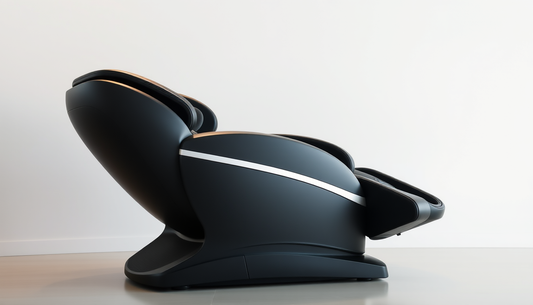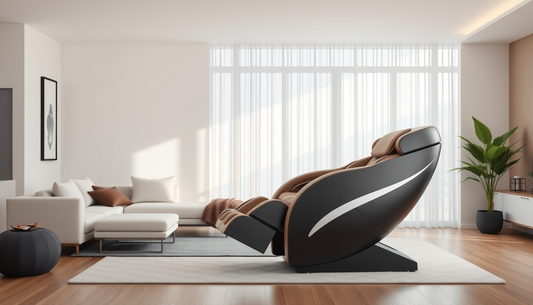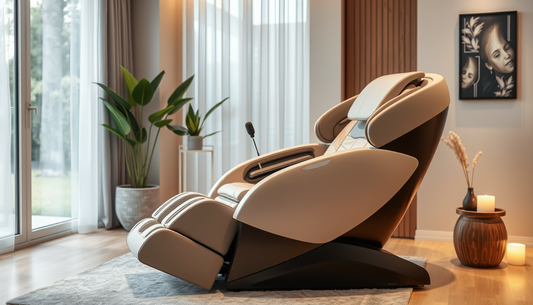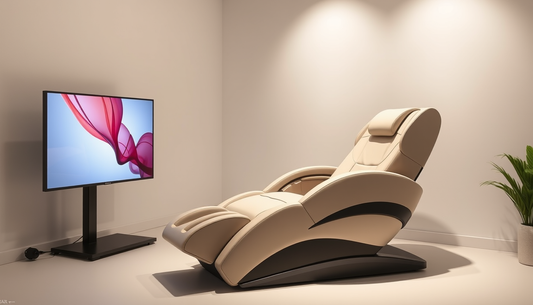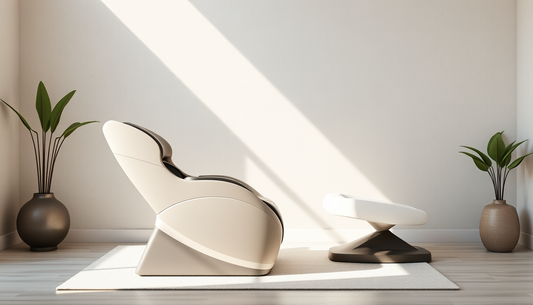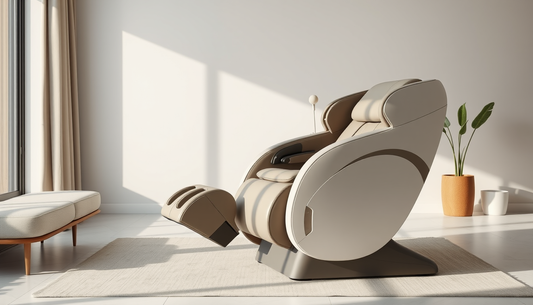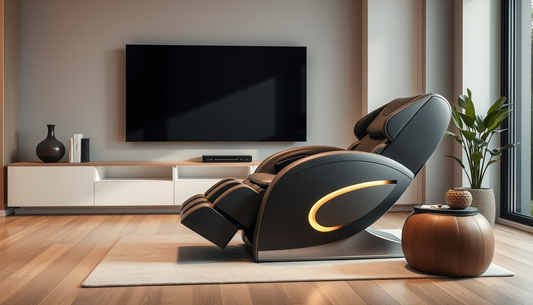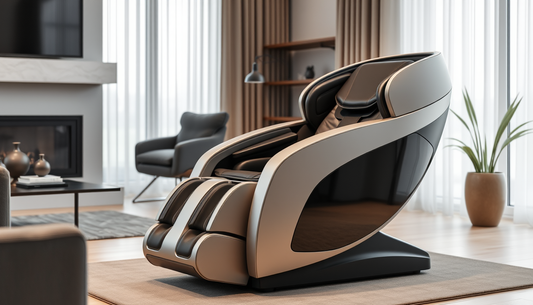
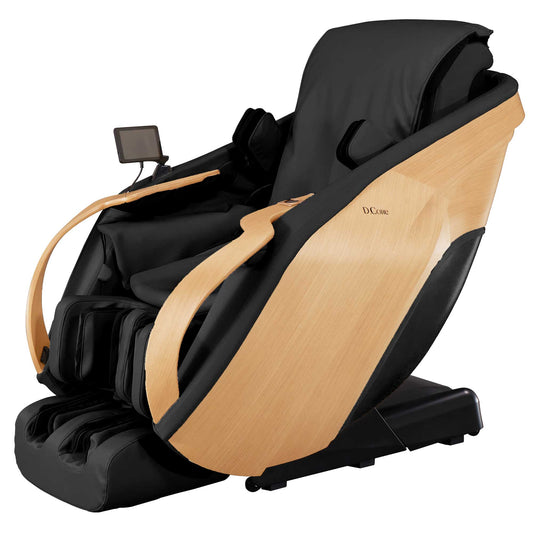
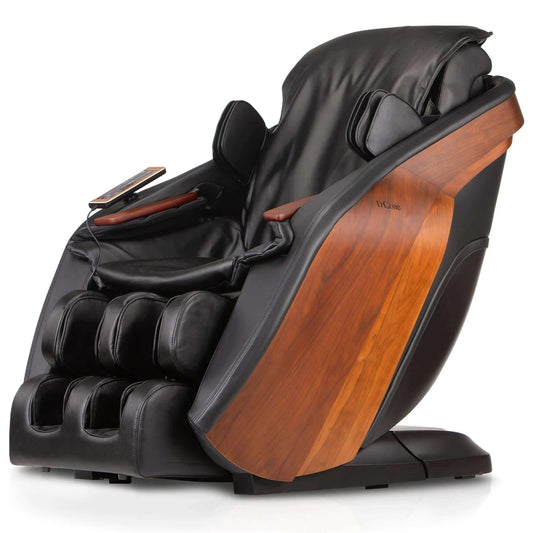
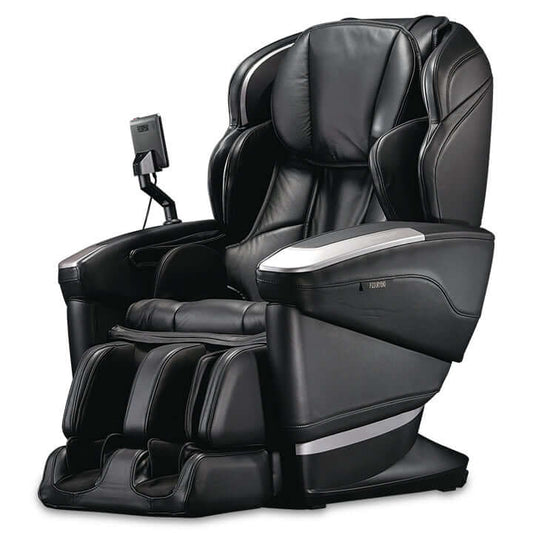

Fujiiryoki Sillones de masaje: una exploración al estilo de una presentación del sueco, el shiatsu, los tejidos profundos, la reflexología, los puntos gatillo, la acupresión y el amasamiento para el bienestar del tobillo a la cabeza en 2026
Introducción: un recorrido de bienestar estilo presentación
En 2026, la forma más eficaz de comparar las modalidades de los sillones de masaje es a través de un recorrido claro, similar a una presentación, que relacione la técnica con el resultado. Este artículo presenta Fujiiryoki sillones de masaje y muestra cómo ofrecen terapias suecas, shiatsu, tejidos profundos, reflexología, puntos gatillo, acupresión y masajes desde el tobillo hasta la cabeza. El objetivo es una descripción general completa y compatible con SEO que ayude a los lectores a comprender cómo la silla respalda el bienestar integral en partes específicas del cuerpo.
¿Por qué? Fujiiryoki en 2026
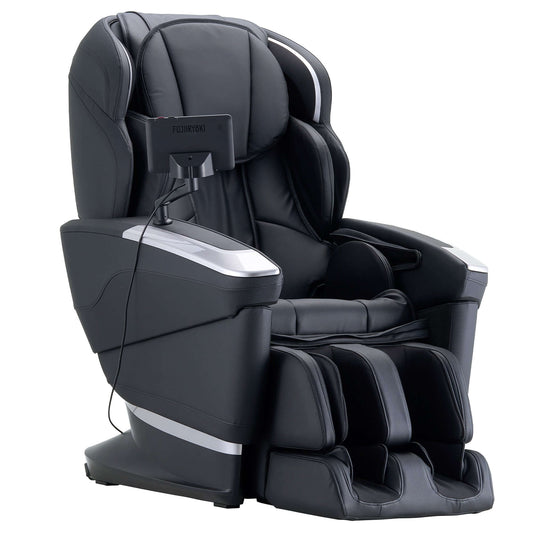
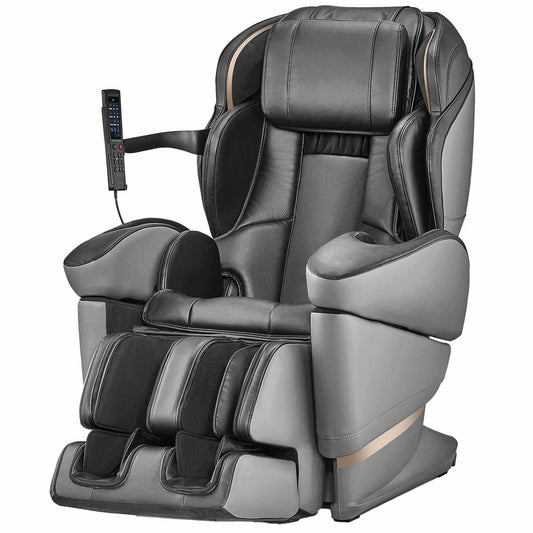
Fujiiryoki se ha ganado una reputación por su cobertura corporal integral, zonas de terapia precisas y programas adaptativos. En 2026, la plataforma combina amplios sistemas de rodillos, bolsas de aire multizona, terapia de calor y ajustes preestablecidos guiados por IA para personalizar las sesiones de cada usuario. El resultado es un sillón de masaje doméstico que emula técnicas profesionales con comodidad constante, funcionamiento silencioso y personalización inteligente que evoluciona con usted con el tiempo.
Conceptos básicos: partes del cuerpo específicas para el bienestar del tobillo a la cabeza
- Tobillo
- Atrás
- becerro
- Pies
- manos
- cabeza
- Tacón
- rodilla
- Piernas
- cuello
- Hombro
- Muslo
- Todo el cuerpo
- Muñeca
Descripción general de las técnicas de masaje
Cada modalidad se realiza mediante rodillos inteligentes, acciones de amasado y presión específica. Fujiiryoki Las sillas ajustan la técnica a la parte del cuerpo en foco, creando una experiencia coherente desde el tobillo hasta la cabeza que se puede personalizar para el uso diario o sesiones de inmersión profunda.
Masaje Sueco
El masaje sueco en silla enfatiza las caricias largas y fluidas, la presión de ligera a moderada y el deslizamiento rítmico. La silla utiliza rodillos suaves y compresión de aire ajustable para replicar una sesión sueca en la espalda, las piernas, los brazos y los pies. Los beneficios incluyen reducción de la tensión muscular, mejora de la circulación y un comienzo tranquilo de una rutina de bienestar.
Masaje de tejido profundo
La terapia de tejido profundo se dirige a capas musculares y fascias más profundas. En una silla, los pulsos más lentos y el control preciso de la presión actúan sobre los principales grupos de músculos, como la espalda, el cuello, los hombros, las pantorrillas y los muslos. Espere la liberación de nudos rebeldes, una mejor movilidad y una mayor sensación de equilibrio estructural después de sesiones más largas.
Masaje de puntos gatillo
El trabajo de puntos gatillo localiza puntos hiperirritables y aplica presión enfocada para liberarlos. La silla se enfoca en la zona de la espalda y los hombros, las caderas y las piernas, lo que ayuda a reducir el dolor referido y al mismo tiempo respalda la postura, la comodidad diaria y la salud muscular a largo plazo.
acupresión
Las simulaciones de acupresión utilizan amasamiento localizado y compresión firme alineada con las vías de los meridianos tradicionales. El resultado es un flujo de energía equilibrado, una rigidez reducida, una circulación mejorada y un alivio de la tensión localizada en zonas desde las muñecas hasta los hombros y hasta los pies y los tobillos.
Masaje Shiatsu
shiatsu en un Fujiiryoki La silla utiliza rodillos similares a dedos y presión con la palma a lo largo de la columna y las extremidades. Esta modalidad favorece la alineación de la columna y la relajación muscular tanto en la parte superior como en la inferior del cuerpo, y se combina muy bien con el estiramiento y la respiración para una sesión holística y reparadora.
Reflexología
La reflexología asigna zonas de los pies y las manos a las partes correspondientes del cuerpo. La reflexología en silla estimula estos puntos para estimular la circulación, aliviar la fatiga y apoyar el tono desde el tobillo hasta la cabeza, lo que a menudo mejora la vitalidad general después de los entrenamientos o largos días de actividad.
Amasar
El amasado imita el amasado manual clásico con un movimiento giratorio a través de grandes grupos de músculos como las pantorrillas, los muslos, la espalda y los hombros. El resultado es una liberación de tensión, una mejor movilidad de los tejidos blandos y un rango de movimiento más suave para las actividades diarias y el rendimiento deportivo.
Diseño de secuencia de masaje: una sesión estilo estudio de 60 minutos
Para demostrar el flujo de una sesión integral, considere esta secuencia de 60 minutos adaptada al bienestar del tobillo a la cabeza:
- Masaje sueco de calentamiento (8 minutos) en espalda y piernas para facilitar la circulación.
- Enfoque en el punto gatillo (6 minutos) en la parte superior de la espalda y los hombros para liberar nudos.
- Trabajo de tejido profundo (12 minutos) para los principales grupos de músculos de la espalda, el cuello y las pantorrillas.
- La acupresión y el Shiatsu se combinan (8 minutos) a lo largo de la columna y las extremidades para equilibrar la energía y la movilidad.
- Huella de reflexología y puntos de mano (6 minutos) para estimular la circulación sistémica.
- Amasamiento y ligero acabado sueco (10 minutos) en todo el cuerpo para un final calmante.
Tecnología integrada en 2026: cómo Fujiiryoki Ofrece consistencia
- Rodillos avanzados configurados en diseños L o S-Track para un contacto expansivo en la columna, las caderas y las piernas.
- Bolsas de aire multizona que se adaptan a las pantorrillas, muslos, brazos y hombros con presión adaptativa.
- Terapia calentada en zonas estratégicas para mejorar la flexibilidad y el flujo sanguíneo.
- Escaneo corporal y ajustes preestablecidos impulsados por IA que personalizan la presión, la velocidad y la duración.
- Funcionamiento silencioso y componentes energéticamente eficientes diseñados para uso doméstico.
- Integración de aplicaciones móviles para control, monitoreo y programación de rutinas.
Beneficios del masaje para el bienestar del tobillo a la cabeza
- Control del flujo sanguíneo
- Alivio de la fatiga
- Mejora de la flexibilidad
- Recuperación de lesiones
- Terapia muscular
- Alivio del dolor
- Alineación de la columna vertebral
- Alivio del estrés
- Terapia de tejidos
Enfoque de las partes del cuerpo: profundizaciones regionales
El siguiente desglose alinea cada técnica con las partes del cuerpo con mayor probabilidad de beneficiarse, al tiempo que reconoce que la silla puede adaptarse a muchas zonas para una experiencia perfecta desde el tobillo hasta la cabeza.
- Tobillo y Talón: Reflexología, amasamiento y sueco ligero para favorecer la circulación y la movilidad.
- Pantorrilla y espinilla: tejido profundo, amasado y puntos gatillo trabajan para aliviar la tensión del uso diario y la actividad atlética.
- Rodilla y Muslo: Amasamiento y patrones suecos para mejorar la flexibilidad y reducir la rigidez.
- Espalda y columna vertebral: tejido profundo, Shiatsu y punto gatillo para apoyar la postura y aliviar el dolor.
- Hombro y cuello: Shiatsu, acupresión y reflexología para liberar tensión y mejorar el rango de movimiento.
- Brazos y manos: acupresión y pulsos suecos para estimular la circulación y reducir la fatiga.
- Cabeza y rostro: suave acabado sueco, ligero amasado para relajación y alivio de dolores de cabeza tensionales.
- Todo el cuerpo: una combinación equilibrada de modalidades para promover el bienestar general y la salud sistémica.
Planes de sesión para diferentes objetivos
Dependiendo de su objetivo (relajación, recuperación o rendimiento), ajuste el énfasis y la duración de las modalidades:
- Relajación: 15 minutos de Sueco, 10 minutos de amasamiento, 5 minutos de reflexología, 10 minutos de Shiatsu.
- Recuperación después del ejercicio: 20 minutos de tejido profundo, 10 minutos de punto gatillo, 10 minutos de acupresión, 10 minutos de sueco.
- Movilidad pre o post-entrenamiento: 5 minutos de sueco ligero, 15 minutos de amasamiento y punto gatillo, 10 minutos de reflexología, 10 minutos de Shiatsu.
- Manejo de la tensión crónica: 20 minutos de tejido profundo con trabajo de puntos específicos, 15 minutos de Shiatsu, 10 minutos de acupresión, 5 minutos de enfriamiento sueco.
Casos a favor de la coherencia: rutina y longevidad
Para maximizar los resultados, establezca una rutina que combine sesiones cortas diarias con una terapia profunda periódica más larga. Un plan semanal típico podría incluir:
- Sesión rápida diaria de 15 a 20 minutos centrada en las zonas problemáticas.
- Dos sesiones más largas de 30 a 45 minutos dirigidas a la espalda, los hombros y las piernas.
- Ajustes estacionales o basados en el esfuerzo según la carga de entrenamiento o los niveles de estrés.
Pautas de seguridad, comodidad y uso
- Consulta con un profesional médico si tienes afecciones cardiovasculares, circulatorias u ortopédicas antes de utilizar un sillón de masaje.
- Evite presionar demasiado cualquier área sensible; Comience con menor intensidad y aumente gradualmente.
- Hidrátate antes y después de las sesiones para favorecer la circulación y el flujo linfático.
- Nunca utilice la silla en caso de lesiones agudas sin orientación médica.
Mantenimiento y Limpieza
Mantén tu Fujiiryoki silla en óptimas condiciones con estas mejores prácticas:
- Limpie las superficies con un paño húmedo y jabón suave; Evite productos químicos agresivos que puedan dañar el cuero o la tela.
- Quite el polvo y aspire las grietas periódicamente para evitar la acumulación de residuos en las bolsas de aire y los rodillos.
- Siga el manual del usuario para las inspecciones de filtros o bolsas de aire y los intervalos de reemplazo.
- Programe un servicio profesional anual para mantener el rendimiento del motor y la precisión de la calibración.
Guía de compra para 2026: qué buscar
Al evaluar Fujiiryoki modelos en 2026, considere lo siguiente:
- Gama de modelos: compare los modelos básicos, de gama media y premium en cuanto a cobertura, características y capacidad de ajuste.
- Sistema de rodillos: L-Track frente a cobertura de cuerpo completo y densidad de rodillos para un contacto preciso.
- Configuración de bolsas de aire: la cantidad y ubicación de las bolsas de aire para pantorrillas, brazos, caderas y hombros.
- Zonas de terapia de calor y ajustes de intensidad.
- Precisión del escaneo corporal y personalización del perfil mediante la integración de la aplicación.
- Funcionamiento silencioso, calidad de construcción y comodidad para sentarse.
- Garantía, red de servicios y accesibilidad de repuestos.
Experiencia en sala de exposición frente a configuración en casa
Antes de comprar, es valioso probar las marcas en una sala de exposición o en un minorista experimentado. Si eso no es factible, lea reseñas independientes que se centren en la comodidad, los niveles de ruido y la confiabilidad en el mundo real. Considere un período de prueba en casa, si se ofrece, para asegurarse de que la silla cumpla con sus expectativas para el uso diario.
Estudios de caso: resultados del mundo real (anecdótico)
Los usuarios informan mejoras en la calidad del sueño, reducción de la rigidez matutina y mejor energía general después de incorporar Fujiiryoki sillas en la vida diaria. Los atletas notan tiempos de recuperación más rápidos entre sesiones de entrenamiento, mientras que aquellos con trabajos sedentarios informan una disminución de la fatiga y una mejor postura después de sesiones constantes.
Preguntas frecuentes: preguntas comunes sobre Fujiiryoki Sillones de masaje
- P: ¿Puede un sillón de masaje reemplazar la fisioterapia?
- R: Puede complementar la atención profesional apoyando la circulación, la relajación y el mantenimiento de los músculos, pero no debe reemplazar el consejo médico para lesiones o afecciones específicas.
- P: ¿Con qué frecuencia debo usar la silla?
- R: Las sesiones diarias son comunes para el mantenimiento, con sesiones más largas de 1 a 3 veces por semana para una terapia más profunda, según sus objetivos y su comodidad.
- P: ¿Existen preocupaciones de seguridad para las personas mayores?
- R: Comience con baja intensidad y duraciones más cortas, y consulte a un profesional de la salud si tiene problemas de equilibrio o ortopédicos.
Conclusión
Fujiiryoki Los sillones de masaje ofrecen un enfoque integral, estilo presentación, para la terapia de masaje en el hogar. Al integrar las modalidades sueca, shiatsu, tejido profundo, reflexología, puntos gatillo, acupresión y amasamiento con la moderna tecnología 2026, permiten una atención específica para tobillos, piernas, espalda, cuello, hombros, brazos, manos y más. A través de la personalización, la mejora de la circulación, el alivio de la fatiga y la reducción del estrés, estas sillas apoyan un viaje de bienestar integral desde el tobillo hasta la cabeza.
Etiquetas:
Anterior
Fujiiryoki Sillones de masaje: una guía estilo presentador sobre técnicas específicas (sueco, tejido profundo, punto gatillo, acupresión, shiatsu, reflexología, amasamiento) y beneficios para el bienestar del tobillo a la cabeza y de todo el cuerpo
Próximo
Fujiiryoki Sillones de masaje: una guía práctica de técnicas específicas (sueco, shiatsu, tejido profundo, reflexología) y beneficios reales para el bienestar de todo el cuerpo