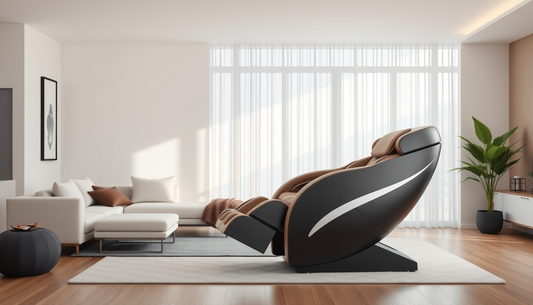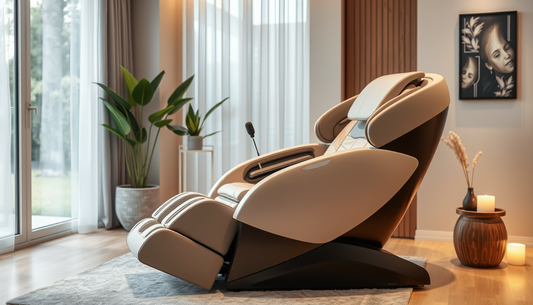
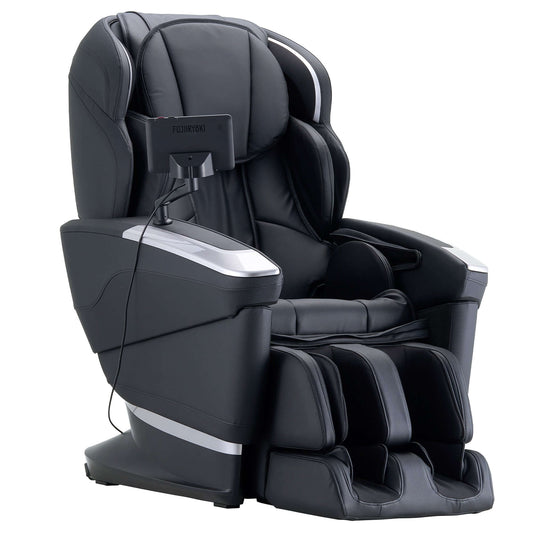
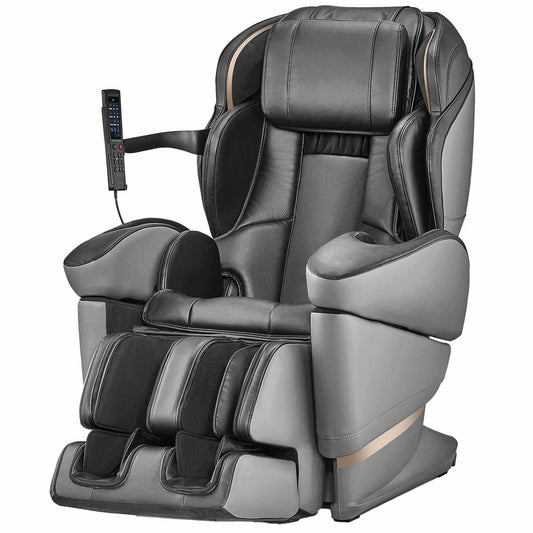
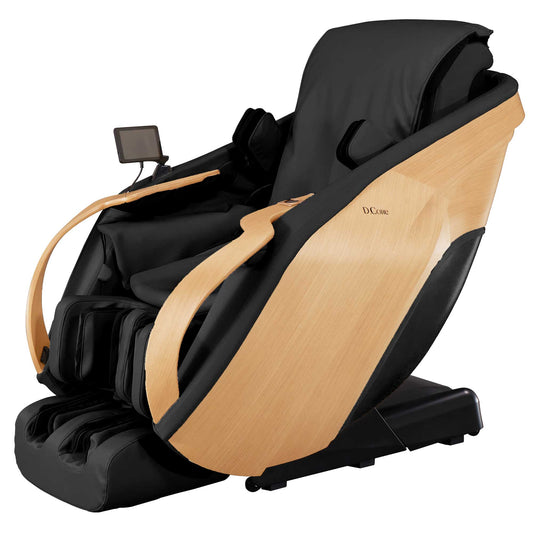
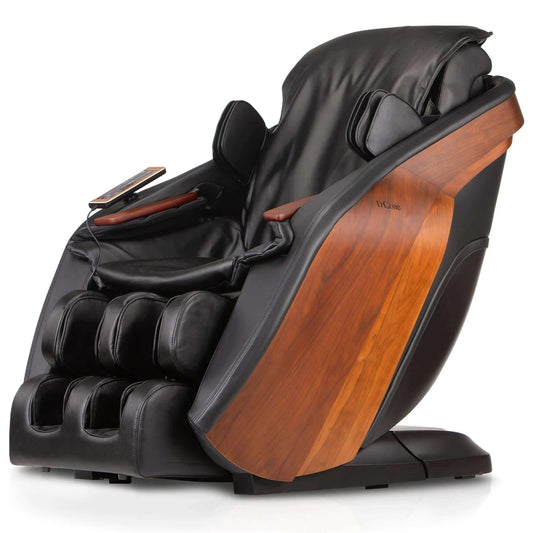
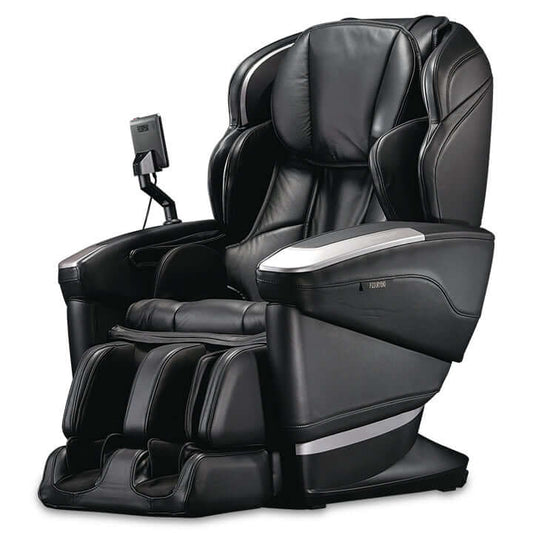
Fujiiryoki Sillones de masaje: una inmersión profunda en formato de presentación sobre técnicas específicas y beneficios para las partes del cuerpo para el bienestar total del cuerpo
Descripción general: una inmersión profunda en formato de presentación en el bienestar corporal total
En esta exploración de larga duración, tratamos Fujiiryoki sillones de masaje como herramienta de presentación diseñada para asignar técnicas precisas a partes específicas del cuerpo, generando resultados de bienestar mensurables en el hogar. La estructura refleja una plataforma de diapositivas, con objetivos claros, emparejamientos metódicos y una mentalidad orientada a resultados. Este enfoque ayuda a los lectores a comprender cómo las sesiones específicas pueden mejorar la circulación, reducir la fatiga, mejorar la flexibilidad y apoyar la recuperación de lesiones, al tiempo que priorizan la comodidad y la seguridad. A medida que avancemos en técnicas, partes del cuerpo y beneficios, obtendrá un marco práctico que podrá aplicar en la vida diaria en 2026 y más allá.
Técnicas de masaje de un vistazo
Estas modalidades centrales forman la columna vertebral de Fujiiryoki programación de silla. Cada técnica afecta los tejidos, los músculos y la circulación de distintas maneras y, cuando se combinan cuidadosamente, crean un camino holístico hacia el bienestar de todo el cuerpo:
- Masaje sueco: una combinación de ligeras a moderadas de movimientos deslizantes diseñada para promover la circulación, la movilidad de las articulaciones y la relajación profunda.
- Masaje de tejido profundo: trabajo dirigido que llega a capas musculares más profundas para liberar la tensión crónica y restaurar la salud de los tejidos.
- Masaje de puntos gatillo: presión enfocada sobre los nudos para aliviar rápidamente el dolor focal y mejorar la calidad del movimiento.
- Acupresión: presión sostenida sobre puntos específicos para reequilibrar el flujo de energía y aliviar la tensión muscular.
- Masaje Shiatsu: una secuencia estructurada de presión con los dedos destinada a mejorar la postura, la alineación de la columna y el equilibrio general.
- Reflexología: trabajo de pies y manos diseñado para influir en la relajación sistémica a través de vías neuronales y mecanismos de apoyo a los órganos.
- Amasamiento: movimientos de amasado rítmicos que nutren grandes grupos de músculos y favorecen la comodidad durante sesiones prolongadas.
Matriz integral de partes del cuerpo: beneficios por zona
Mapear las acciones de la silla con partes individuales del cuerpo ayuda a adaptar las sesiones para lograr un bienestar sostenido. La siguiente matriz combina cada área con los beneficios prácticos que puede esperar de una estrategia bien diseñada. Fujiiryoki programas.
- Tobillo
- Mejora del flujo sanguíneo y la movilidad articular.
- Flexibilidad mejorada para apoyar la marcha y el equilibrio.
- Reducción de la rigidez después de largos períodos de pie.
- Atrás
- Alivio del dolor y alineación de la columna.
- Terapia muscular para reducir la tensión y la rigidez.
- Apoyo postural mediante movilización específica
- becerro
- Alivio de la fatiga y mejora de la circulación.
- Relajación de los músculos de la pantorrilla para apoyar la marcha.
- Prevención de la tirantez durante la actividad.
- Pies
- Beneficios de la reflexología y mejora de la circulación.
- Terapia de tejidos para arcos y dedos de los pies doloridos.
- Comodidad mejorada para las transiciones de pie y calzado.
- manos
- Mejora del flujo sanguíneo y liberación de tensión.
- Terapia muscular para antebrazos y manos.
- Soporte de agarre y destreza después de un uso prolongado de la computadora
- cabeza
- Alivio del dolor de cabeza y reducción del estrés.
- Relajación suave para favorecer la calidad del sueño.
- Calma la actividad neuronal para mejorar la concentración al día siguiente
- Tacón
- Comodidad en el arco y amortiguación del talón.
- Terapia de tejido dirigida para la fascia plantar
- Comodidad para las extremidades inferiores al despertarse por la mañana
- rodilla
- Alivio del dolor y mejora de la movilidad.
- Soporte para ligamentos y comodidad articular.
- Reducción de la hinchazón y la rigidez después de la actividad.
- Piernas
- Flexibilidad y circulación de piernas completas.
- Alivio más profundo de la fatiga para una actividad prolongada.
- Mejora de la recuperación después de los entrenamientos.
- cuello
- Alineación de la columna y liberación de tensión en el cuello.
- Reducción del estrés y mejora del rango de movimiento.
- Mejor soporte para la postura al dormir
- Hombro
- Movilidad del hombro y relajación muscular.
- Alivio del dolor de la tensión acumulada.
- Estabilización escapular mejorada para una mejor postura.
- Muslo
- Terapia muscular para cuádriceps e isquiotibiales.
- Mejora de la circulación y gestión de la fatiga.
- Mejor movilidad de la cadera para las actividades diarias.
- Muñeca
- Flexibilidad de muñeca y liberación de tensión.
- Soporte para el retorno venoso y la comodidad.
- Facilidad para escenarios de estrés repetitivo, como escribir
- Todo el cuerpo
- Terapia muscular integral y alivio del estrés.
- Mejora de la circulación sistémica y optimización del sueño.
- Equilibrio holístico entre músculos, fascia y sistema nervioso.
Emparejamientos de técnica por parte del cuerpo: mapeos prácticos para el uso diario
En un flujo de trabajo estilo presentación, combinar la técnica correcta con la parte del cuerpo correcta amplifica los resultados. Los siguientes mapeos ofrecen un modelo práctico que puede aplicar durante las sesiones de rutina:
- Espalda, Hombros y Cuello → Masaje Sueco para una amplia relajación y mejora de la circulación
- Espalda, zona lumbar y costillas → Masaje de tejido profundo para abordar la musculatura más profunda y las compensaciones posturales
- Pies, pantorrilla y tobillo → Masaje de puntos gatillo para liberar nudos focales y restaurar la comodidad de la zancada
- Manos, muñecas y antebrazos → Acupresión para estimular el alivio a través de puntos de presión y vías nerviosas
- Cuello y Hombros → Masaje Shiatsu para favorecer la alineación postural y el equilibrio muscular.
- Pies y dedos de los pies → Reflexología para relajación sistémica y vínculos de apoyo digestivo
- Todo el cuerpo, piernas y espalda → Amasamiento para una comodidad sostenida de todo el cuerpo durante sesiones más largas
Diseño de sesión extendida: plan de bienestar en el hogar de 4 semanas
Las sesiones estructuradas ayudan a replicar un flujo de trabajo clínico en casa y maximizar los beneficios de un Fujiiryoki silla. Este plan de cuatro semanas supone 3 sesiones por semana, cada una de 25 a 35 minutos, con énfasis progresivo en la variedad de técnicas y la cobertura de partes del cuerpo.
- Semana 1: Fundación y Relajación
- Enfoque: masaje sueco y acupresión en espalda, cuello y hombros
- Objetivo: establecer una base cómoda, mejorar la circulación, reducir el estrés percibido
- Patrón: sueco alternativo con ráfagas cortas de acupresión, 3 sesiones
- Semana 2: Trabajo profundo dirigido
- Enfoque: tejido profundo en la espalda y los muslos, punto gatillo en la pantorrilla y el tobillo
- Objetivo: liberar la tensión muscular profunda, reducir los patrones de movimiento compensatorio.
- Patrón: rotar los programas Focus A y Focus B, 3 sesiones
- Semana 3: Movilidad y equilibrio postural
- Enfoque: Shiatsu en segmentos de alineación del cuello y la columna, amasado en las piernas
- Objetivo: mejorar la movilidad, apoyar la alineación adecuada, reducir la rigidez después de largas jornadas
- Patrón: integrar múltiples técnicas en una sola sesión, 3 sesiones
- Semana 4: Integración y Personalización
- Enfoque: rutina mixta para todo el cuerpo con énfasis personalizado en áreas de tensión persistente
- Objetivo: consolidar logros, perfeccionar preferencias y preparar una rutina hogareña sostenible
- Patrón: elige una sesión personalizada de 30 minutos, 3 sesiones
Cuantificación de beneficios: cómo realizar un seguimiento del progreso y optimizar los resultados
Para que este enfoque sea compatible con SEO y centrado en la audiencia, realice un seguimiento tanto de las experiencias subjetivas como de las señales objetivas. Utilice una cadencia simple para observar los cambios a lo largo de las semanas:
- Control del flujo sanguíneo: controle la calidez, los cambios de color en las extremidades y la claridad del pulso de las piernas/pedales después de las sesiones.
- Alivio de la fatiga: califique la energía y el estado de alerta en una escala del 1 al 5 antes y después de las sesiones.
- Mejora de la flexibilidad: evalúe el rango de movimiento en las caderas, los hombros y la columna semanalmente
- Recuperación de lesiones: realice un seguimiento de la intensidad de los síntomas y de las mejoras funcionales en tareas como subir escaleras o levantar objetos
- Terapia muscular: observe la duración del dolor y la tensión muscular percibida después de la actividad.
- Alivio del dolor: registre los niveles de dolor en las zonas objetivo y cualquier cambio después de las sesiones
- Alineación de la columna vertebral: observe la comodidad postural durante las actividades diarias y la postura al dormir
- Alivio del estrés: utilice métricas de calidad del sueño y perciba la calma mental después de las sesiones.
- Terapia de tejidos: realice un seguimiento de la sensibilidad, la hinchazón y los cambios en la sensación de los tejidos a lo largo del tiempo.
Consideraciones de tecnología y diseño: qué hace que estas sesiones sean efectivas
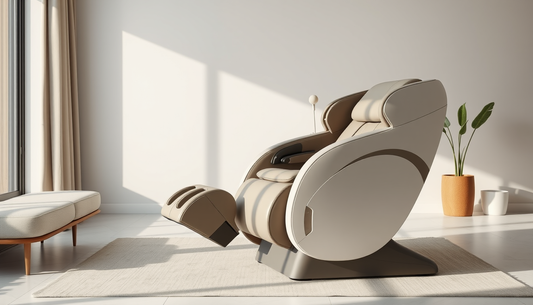
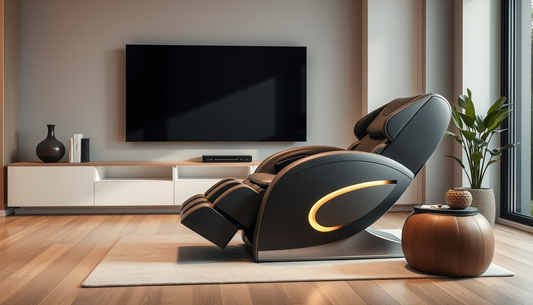
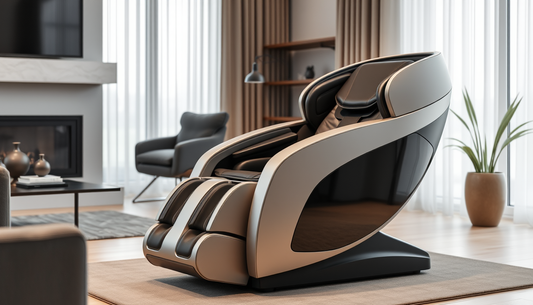
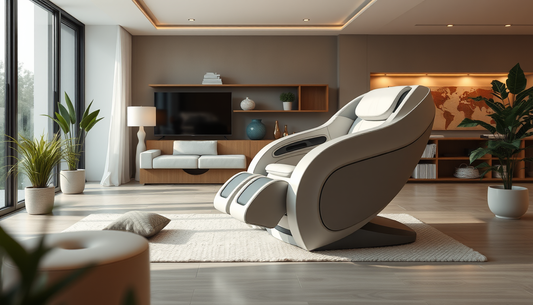
Fujiiryoki Los sillones integran una combinación de ingeniería mecánica y programación terapéutica para brindar terapia dirigida. Los elementos clave incluyen zonas de masaje ajustables, intensidad variable y programas guiados que asignan técnicas a partes del cuerpo para un bienestar integral. El dispositivo se adapta a la forma y tamaño de su cuerpo, almacena perfiles de usuario y le permite personalizar el equilibrio entre rodillos, bolsas de aire, calor y componentes elásticos. Al combinar sueco, tejido profundo, punto gatillo, acupresión, shiatsu, reflexología y amasamiento dentro de un chasis ergonómico, el sillón brinda una experiencia de spa en el hogar con intención de grado clínico.
Estudios de casos y reflexiones del mundo real
En entornos del mundo real, los usuarios informan mejoras en la calidad del sueño, la energía diurna y la movilidad cuando siguen una rutina estructurada estilo presentación. Los ejemplos narrativos ilustran cómo un ciclo semanal de 40 minutos centrado en el trabajo de espalda y piernas, equilibrado con sesiones de alivio más cortas para las manos y el cuello, puede producir diferencias notables en la comodidad y el rendimiento diarios. Si bien los resultados individuales varían, el patrón general es consistente: la selección deliberada de técnicas, la focalización en partes del cuerpo y un seguimiento mensurable conducen a ganancias de bienestar sostenibles.
Errores comunes y cómo evitarlos
- Sobrecargar una sola parte del cuerpo con intensidad excesiva: mitigue alternando técnicas y aumentando gradualmente la duración.
- Confiar en un único programa para cada sesión: rotar los emparejamientos de técnica por parte del cuerpo para evitar la adaptación y mantener los resultados estables.
- Ignore el calentamiento o el enfriamiento: comience con un masaje sueco ligero o acupresión para preparar los tejidos y termine con un amasamiento suave para liberar la tensión residual.
- No documentar el progreso: mantenga un registro simple de básculas, movilidad y sueño para guiar sesiones futuras.
Preguntas frecuentes
- ¿Qué hace? Fujiiryoki ¿Sillones de masaje adecuados para una rutina de bienestar en formato presentación? – Ofrecen técnicas programables y específicas en múltiples partes del cuerpo, lo que permite un enfoque estructurado y repetible similar a una plataforma de diapositivas que puede ejecutar semanalmente en casa.
- ¿Pueden estas sillas sustituir la terapia profesional? – Complementan la atención profesional abordando el bienestar general, el apoyo a la recuperación y el mantenimiento. Para lesiones específicas, consulte a un médico antes de comenzar una nueva rutina.
- ¿Qué partes del cuerpo se benefician más de este enfoque? – Se beneficia todo el cuerpo, con especial énfasis en Espalda, Cuello, Hombros, Piernas y Pies por su papel central en la movilidad y función diaria.
- ¿Con qué frecuencia debo usar la silla para obtener mejores resultados? – Un plan típico varía de 2 a 5 sesiones por semana, dependiendo de los objetivos, la tolerancia y la presencia de dolor o condición médica.
- ¿Qué pasa con la terapia de calor y la compresión de aire? – El calor y los airbags mejoran la relajación y la circulación y pueden incorporarse al programa según la comodidad y la tolerancia personal.
- ¿Es esto seguro para personas mayores o con condiciones médicas? – Generalmente es seguro para muchos usuarios, pero las personas con problemas de salud particulares deben consultar a un médico antes de comenzar cualquier nueva rutina de terapia de masaje.
Conclusión: bienestar corporal total por diseño
Fujiiryoki Los sillones de masaje traducen modalidades de masaje de nivel profesional en una poderosa solución de bienestar en el hogar. Al vincular técnicas específicas a partes específicas del cuerpo y combinar un marco integral de beneficios, los usuarios pueden impulsar mejoras en el flujo sanguíneo, el control de la fatiga, la flexibilidad, la recuperación de lesiones y el alivio general del estrés. Esta inmersión profunda ampliada en formato de presentación ofrece una hoja de ruta práctica para maximizar los resultados, mantener la salud a largo plazo y adoptar una experiencia de spa en el hogar moderna en 2026 y más allá.
Etiquetas:
Anterior
De los tobillos a la cabeza: Fujiiryoki Técnicas de sillón de masaje para un alivio específico y un bienestar corporal integral
Próximo
Fujiiryoki Técnicas y beneficios del sillón de masaje: una inmersión profunda estilo presentación desde el tobillo hasta la cabeza para el bienestar total del cuerpo