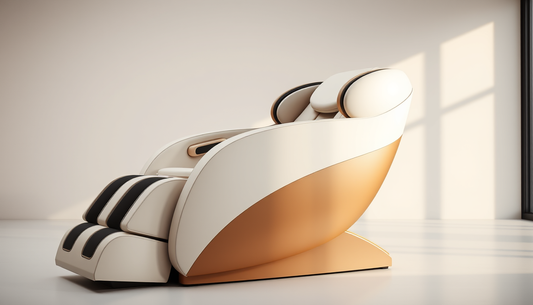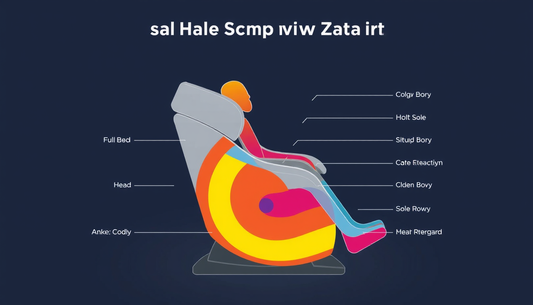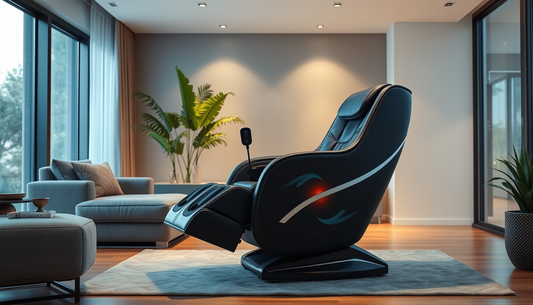
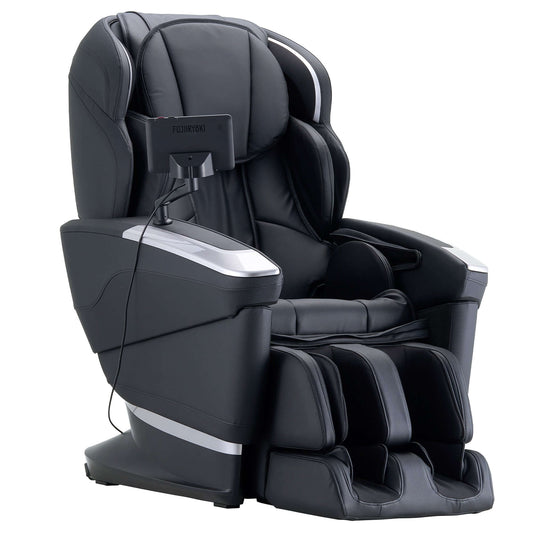
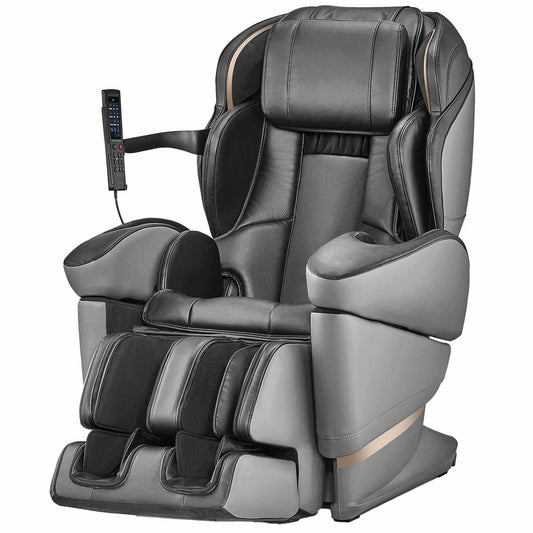
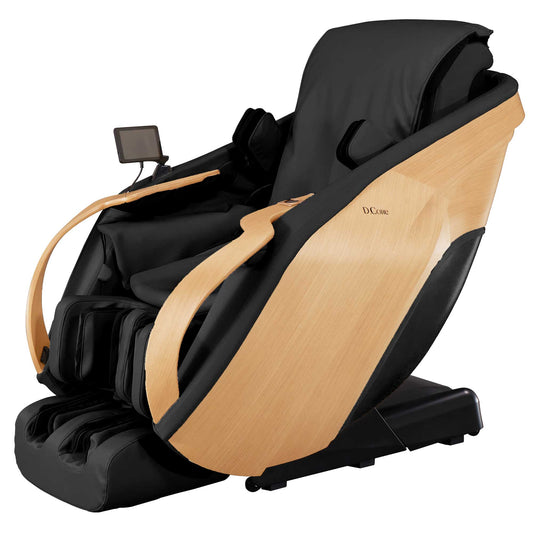
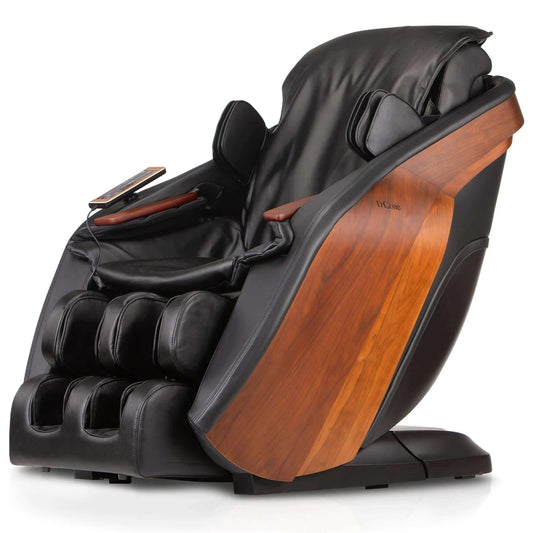
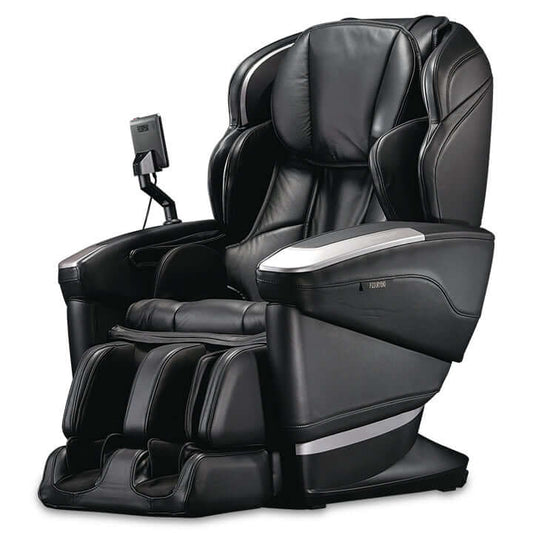

Fujiiryoki Plano de presentación en sillón de masaje: mapeo de la técnica al cuerpo (sueco, shiatsu, tejido profundo, punto gatillo y reflexología) para un alivio específico: de los tobillos a la cabeza y beneficios para todo el cuerpo
Introducción
Este plan integral está diseñado para equipos de ventas, profesionales del bienestar, propietarios de clínicas y creadores de contenido que quieran presentar Fujiiryoki Sillones de masaje con autoridad. El objetivo: traducir las técnicas manuales clásicas en demostraciones claras y persuasivas que asignan estilos de masaje (sueco, shiatsu, tejido profundo, punto gatillo, reflexología, acupresión, amasamiento) a zonas corporales específicas (de los tobillos a la cabeza) y beneficios demostrables (control del flujo sanguíneo, alivio de la fatiga, mejora de la flexibilidad, recuperación de lesiones, terapia muscular, alivio del dolor, alineación de la columna, alivio del estrés, terapia de tejidos).
A quién sirve esta presentación
- Personal de ventas minoristas y de salas de exposición que necesitan guiones de demostración repetibles para cerrar ventas.
- Masajistas y fisioterapeutas que quieran mostrar a sus clientes cómo una silla complementa el cuidado.
- Creadores de contenido y equipos de SEO que necesitan material extenso que se clasifique para consultas de búsqueda específicas de técnicas y cuerpos.
- Responsables de producto y formadores preparando materiales de formación internos.
Objetivos de alto nivel para cada presentación
- Educar a la audiencia sobre cómo Fujiiryoki convierte las técnicas humanas en secuencias mecánicas.
- Muestre beneficios inmediatos y perceptibles con demostraciones breves y específicas.
- Asigne cada técnica a las zonas del cuerpo y a los resultados que sean importantes para los compradores.
- Ofrezca una guía de seguridad clara y un uso recomendado.
- Proporcione recursos posteriores a la demostración (hojas de trucos, preguntas frecuentes, videoclips) para mejorar la conversión y las señales de SEO.
Núcleo Fujiiryoki Características a destacar
Al presentar un Fujiiryoki silla, utilice un lenguaje que los compradores no técnicos puedan comprender y al mismo tiempo incluya detalles que los profesionales respeten:
- Sistemas de rodillos (S-track, L-track): explica la cobertura desde el cuello hasta los glúteos y cómo un L-track añade un alcance más profundo a los isquiotibiales y los glúteos.
- Airbags/zonas de compresión: describen la compresión multizona para pantorrillas, muslos, hombros, brazos y cómo el inflado secuencial imita la compresión y liberación manual.
- Rodillos para pies y rodillos reflejos: resalta el mapeo de reflexología y la presión ajustable.
- Calor/termoterapia: explique el calor lumbar o de pies dirigido y su papel en la relajación y circulación de los tejidos.
- Posicionamiento en gravedad cero: muestre cómo la redistribución de la presión reduce la carga espinal y mejora la efectividad del rodillo.
- Escaneo corporal e intensidad personalizable: enfatiza la personalización de altura y sensibilidad.
- Biblioteca de programas: señale programas etiquetados con técnicas (por ejemplo, "Shiatsu Neck", "Deep Tissue Back") y modos manuales para trabajos específicos.
Introducción a la técnica: cómo las sillas emulan los enfoques manuales
- Masaje sueco: emulado mediante movimientos rítmicos largos, movimientos circulares y amasamientos de baja frecuencia para aumentar la circulación y la relajación.
- Shiatsu: modelado con nodos de presión profundos basados en puntos y compresión dirigida para estimular los puntos de acupresión.
- Tejido profundo: se logra mediante rodillos de mayor presión, velocidades más lentas y nodos concentrados para romper adherencias y alcanzar capas musculares más profundas.
- Punto de activación: simulado con pausas puntuales del rodillo, presión enfocada en los nodos y compresión localizada de la bolsa de aire para desactivar los nudos.
- Acupresión: se aplica con una presión sostenida y precisa en puntos mapeados en el cuello, la espalda y los pies.
- Reflexología: recreada mediante rodillos para los pies que mapean las zonas plantares relacionadas con efectos sistémicos (digestivos, respiratorios, etc.).
- Amasado: se implementa mediante movimiento circular de rodillo y compresión de aire alterna para aumentar la flexibilidad del tejido.
Mapeo específico de partes del cuerpo: técnica, configuración, guión de demostración y beneficios
Utilice las secciones siguientes durante las presentaciones. Para cada parte del cuerpo brindamos las mejores técnicas, recomendadas Fujiiryoki características o configuraciones, una narrativa de demostración de una línea y beneficios para el comprador.
-
Tobillos
- Técnicas: Reflexología, Shiatsu, Amasamiento Suave
- Configuraciones y características: rodillos para los pies de baja intensidad, bolsas de aire para los tobillos, plantilla cálida para los pies
- Guión de demostración: "Me centraré en la circulación del tobillo con una secuencia de reflexología ligera: observe el movimiento rodante y una compresión suave para reducir la hinchazón y mejorar la movilidad".
- Beneficios: Mejor control del flujo sanguíneo, reducción del edema, mejor movilidad del tobillo para caminar y mantener el equilibrio.
-
Tacones
- Técnicas: Reflexología, Punto Gatillo
- Configuraciones: Rodillos de talón enfocados, presión ajustable
- Guión de demostración: "Este trabajo concentrado en el talón es excelente para la tensión plantar después de una carrera: pequeños nodos enfocados apuntan a puntos gatillo comunes".
- Beneficios: Alivio del dolor por irritación de la fascia plantar, mejor recuperación después del ejercicio, mejora de la circulación.
-
Pies (superficie plantar)
- Técnicas: Reflexología, Shiatsu, Amasamiento
- Configuraciones: Rodillos de pie profundos, presión multizona, calor si está disponible
- Guión de demostración: "Cambiar al modo de reflexología completa: los rodillos trazan el arco y la punta del pie para inducir la relajación de todo el cuerpo a través de vías reflejas".
- Beneficios: Relajación sistémica, mejora de la circulación, alivio de la fatiga y mejor inicio del sueño para muchos usuarios.
-
terneros
- Técnicas: Tejido Profundo, Amasamiento, Punto Gatillo
- Ajustes: airbags para pantorrillas, intensidad de rodadura, mayor longitud de carrera
- Guión de demostración: "Usaremos un masaje más profundo en la pantorrilla y una acción lenta del rodillo para ayudar con los calambres y mejorar el retorno venoso después de largos días de pie".
- Beneficios: Reducción de calambres, mejora del retorno venoso, terapia muscular para corredores y profesionales de pie.
-
rodilla
- Técnicas: acupresión, amasado suave
- Configuraciones: bolsas de aire para las piernas de baja presión, soporte para el contorno, evite una presión fuerte directa sobre la articulación
- Guión de demostración: "La compresión suave alrededor de la rodilla mantiene la articulación cómoda al tiempo que fomenta el intercambio de líquidos en los tejidos circundantes".
- Beneficios: rigidez reducida, rango de movimiento mejorado, recuperación de apoyo después del ejercicio. (Nota: no sustituye la atención clínica).
-
Muslos y piernas
- Técnicas: Tejido Profundo, Sueco, Amasamiento
- Configuraciones: Bolsas de aire para los muslos, profundidad de rodillo ajustable (para cobertura de carril L), calefacción cuando corresponda
- Guión de demostración: "Combinaremos amasamiento profundo y compresión a lo largo de los muslos para reducir la tensión y acelerar la recuperación después del entrenamiento de fuerza".
- Beneficios: Terapia de tejidos, mejora de la flexibilidad, reducción del DOMS (dolor muscular de aparición tardía).
-
Caderas y glúteos
- Técnicas: Tejido Profundo, Shiatsu, Sueca
- Configuraciones: rodillos en L, mayor espacio entre nudos, calor lumbar
- Guión de demostración: "La liberación específica de glúteos y caderas aquí ayuda con la tensión lumbar al abordar una fuente común de dolor referido".
- Beneficios: Mejora de la movilidad, alivio del dolor, apoyo a la alineación de la columna al reducir la tensión compensatoria.
-
Espalda baja y columna vertebral
- Técnicas: Tejido Profundo, Shiatsu, Punto Gatillo
- Configuraciones: rodillos L/S, calor lumbar, intensidad variable, sesión más larga para una liberación más profunda
- Guión de demostración: "Los rodillos lumbares emulan una presión manual profunda y trabajan a lo largo de los músculos paraespinales para reducir la rigidez y apoyar la alineación de la columna".
- Beneficios: Alivio del dolor, soporte postural mejorado, terapia muscular y asistencia para la recuperación. Enfatice la consulta para condiciones severas de la columna.
-
Parte superior de la espalda
- Técnicas: Amasamiento, Tejido Profundo, Sueca
- Configuraciones: rodillos ajustables al ancho de los hombros, nodos enfocados en la parte media de la espalda, ciclos alternos de amasado/prensa
- Guión de demostración: "Observe cómo masajear los hombros y la parte superior de la espalda alivia la tensión acumulada por estar sentado durante mucho tiempo o por el uso del dispositivo".
- Beneficios: tensión reducida, rango de movimiento mejorado, soporte para corrección de postura.
-
Hombros
- Técnicas: Punto Gatillo, Shiatsu, Tejido Profundo
- Configuraciones: bolsas de aire de hombro específicas, rodillos de modo puntual, intensidad ajustable
- Guión de demostración: "Un punto específico en el hombro con una presión lenta y profunda ayuda a romper los nudos que se irradian hacia el cuello y los brazos".
- Beneficios: Alivio del dolor, disminución de nudos, mejora de la movilidad para tareas aéreas.
-
cuello
- Técnicas: Shiatsu, Punto Gatillo, Acupresión
- Configuraciones: Nodos del cuello, tracción suave, amasado a baja velocidad.
- Guión de demostración: "Realizaremos una suave secuencia de Shiatsu en el cuello: presión lenta y precisa que alivia la rigidez y reduce los dolores de cabeza tensionales".
- Beneficios: Reducción de la rigidez, mejora de la postura, alivio del estrés. Advertir para evitar una fuerte presión sobre la columna cervical si el usuario tiene condiciones específicas.
-
cabeza
- Técnicas: Acupresión, Shiatsu, Vibración Suave
- Configuraciones: Compresión del reposacabezas o vibración suave, duración corta
- Guión de demostración: "Utilice la secuencia corta de acupresión y cabeza para relajarse y aliviar los dolores de cabeza relacionados con la tensión".
- Beneficios: Reducción de la tensión del dolor de cabeza, alivio del estrés, mejora de la relajación y preparación para dormir.
-
Manos y muñecas
- Técnicas: Acupresión, Amasamiento, Compresión
- Configuraciones: bolsillos para las manos con bolsas de aire, ciclos de compresión suaves
- Guión de demostración: "Las bicicletas de mano comprimidas y los amasados suaves pueden reducir la rigidez y mejorar la circulación después de tareas repetitivas como escribir".
- Beneficios: reducción de la fatiga de la mano, mejor recuperación del agarre, alivio de las molestias leves causadas por esfuerzos repetitivos.
-
Todo el cuerpo
- Técnicas: Sueco secuencial para calentamiento, tejido profundo/punto gatillo dirigido a áreas problemáticas, integración de reflexología para relajación sistémica
- Configuraciones: reclinación en gravedad cero, secuencia completa del programa, bolsas de aire y rodillos sincronizados, calefacción para todo el cuerpo cuando esté disponible
- Guión de demostración: "Comenzaremos con una suave secuencia sueca de cuerpo completo para calentar el tejido, luego pasaremos a un trabajo profundo y concentrado en las áreas problemáticas, terminando con reflexología podal para relajar todo el cuerpo".
- Beneficios: Alivio integral del estrés, mejora de la circulación, alivio de la fatiga, terapia de tejidos y recuperación mejorada.
Secuencias de demostración detalladas (programadas y programadas)
Estas secuencias están optimizadas para demostraciones en vivo y videos en línea. Cada uno necesita una introducción de una sola línea, las etiquetas de las técnicas, las configuraciones recomendadas y los puntos de referencia de la audiencia que describen las sensaciones percibidas.
-
Secuencia de "alivio rápido" de 10 minutos para minoristas (demostración de alto impacto)
- Apertura (15s): "Si tienes 10 minutos, te mostraré cómo esta silla actúa sobre el cuello, la espalda baja y los pies para reducir las tensiones diarias más comunes".
- Shiatsu de cuello (años 90): ganglios del cuello de baja intensidad, ritmo lento. Indicación: "Sentirás un alivio lento y presionante en la base del cráneo".
- Tejido profundo de la espalda baja (120 s): intensidad media a alta, calor lumbar activado. Indicación: "Los rodillos más profundos actúan sobre los músculos paraespinales para una descarga inmediata".
- Reflexología podal (años 90): rodillos para los pies de presión moderada; pista: "Los rodillos a lo largo del arco producen un efecto de relajación en todo el cuerpo".
- Enfriamiento (30s): suave barrido sueco de todo el cuerpo mientras regresas de la gravedad cero. Indicación: "Los golpes suaves calman el sistema nervioso y finalizan la sesión".
-
Secuencia clínica de "recuperación y rehabilitación" de 20 minutos
- Apertura (30 segundos): "Esta secuencia apoya la recuperación post-entrenamiento y el manejo de la tensión muscular crónica cuando se combina con orientación profesional".
- Calentamiento sueco (4 min): cuerpo completo, baja intensidad para aumentar la perfusión.
- Tejido profundo dirigido (8 min): espalda baja y cuádriceps, rodillos lentos de alta intensidad centrados en las zonas gatillo.
- Terapia de pantorrilla y pie (4 min): compresión y reflexología para favorecer el retorno venoso.
- Estirar y descomprimir (2,5 min): reposición en gravedad cero con tracción suave para el cuello.
- Cuidados de cierre (1,5 min): suave enfriamiento sueco y recordatorio de hidratación.
-
Secuencia de bienestar de 30 minutos para "alivio del estrés"
- Apertura y Respiración (30s): respiración breve guiada para optimizar la respuesta parasimpática.
- Calentamiento sueco completo (6 min): promueve el flujo sanguíneo y reduce el tono simpático.
- Shiatsu Cuello y Hombros (6 min): acupresión focalizada y airbags de hombros.
- Tejido profundo de espalda + calor lumbar (8 min): apoya la comodidad de la columna y la liberación de tejido.
- Reflexología Podal + Terapia de Gemelos (6 min): relajación sistémica y recuperación de piernas.
- Descanso final y relajación guiada (3,5 min): fomente la respiración lenta y observe las mejoras.
Esquema de la presentación de diapositivas (30 a 45 minutos)
Utilice este esquema para estructurar talleres en vivo, seminarios web o capacitación para minoristas.
- Diapositiva de título: nombre de la presentación y objetivos (1 min)
- Por qué es importante un mapa técnica-cuerpo: psicología del comprador y relevancia clínica (3 min)
- Fujiiryoki Descripción general de la tecnología: rodillos, airbags, calor, gravedad cero, programas (5 min)
- Introducción a la técnica con clips de demostración cortos incorporados (5 a 7 minutos)
- Mapeo cuerpo a cuerpo con demostraciones en vivo o grabadas (10 a 15 minutos)
- Escenarios de casos de uso e historias de clientes (5 min)
- Seguridad, contraindicaciones y colaboración profesional (3 min)
- Cierre comercial: opciones de precios, garantías, financiación, pólizas de prueba (3 min)
- Preguntas y respuestas y demostración en vivo o sesión guiada si el tiempo lo permite (5 a 10 minutos)
Abordar la seguridad, las contraindicaciones y el uso responsable
- Recomendar siempre la consulta médica a usuarios con trombosis venosa profunda, fracturas recientes, infecciones agudas, osteoporosis severa y ciertas condiciones postoperatorias.
- Recomendar precaución a las usuarias embarazadas; Recomendar la aprobación del médico y evitar modos de compresión intensa abdominal o pélvica.
- Recomendar aumentos graduales de intensidad para usuarios nuevos en el masaje profundo; Comience con una presión más baja y duraciones más cortas.
- Advierta sobre el sobrecalentamiento cuando utilice terapia de calor con alteración de la sensación (p. ej., neuropatía).
- Incluya pautas del fabricante y términos de garantía en las demostraciones: los compradores valoran la transparencia.
Objeciones comunes de los clientes y cómo manejarlas
-
"¿Realmente puede sustituir a un masajista?"
Respuesta: "Está mejor posicionado como una herramienta de mantenimiento diario altamente consistente que complementa la terapia manual. Para problemas estructurales complejos, analice la integración con el cuidado manual y un plan de tratamiento".
-
"¿Es seguro para mi dolor de espalda crónico?"
Respuesta: "Muchos usuarios con tensión crónica se benefician de las sesiones incrementales. Se recomienda consultar primero a un médico; demuestre una prueba de baja intensidad y corta duración en la tienda".
-
"¿Qué pasa con el mantenimiento y la confiabilidad?"
Respuesta: "Explique la garantía, los intervalos de servicio recomendados y que Fujiiryoki Las sillas están diseñadas para durar con piezas reemplazables y atención al cliente".
Personas de casos de uso y mensajería personalizada
Cree guiones de 2 o 3 personas para que el personal de demostración los utilice durante las presentaciones. Adapte los puntos débiles, el enfoque de la demostración y los argumentos finales a cada persona.
-
Persona: Oficinista (35 a 55 años)
- Puntos de dolor: tensión en el cuello/hombros, rigidez en la espalda baja, falta de sueño.
- Enfoque de la demostración: Shiatsu en el cuello, masajes en la parte superior de la espalda, calor lumbar, reflexología podal rápida para promover el sueño.
- Cerrar: enfatizar la mejora de la función diaria, la reducción de la dependencia de medicamentos de venta libre y los beneficios del sueño.
-
Persona: Atleta de fin de semana / Corredor
- Puntos de dolor: pantorrillas apretadas, dolor plantar, recuperación lenta.
- Enfoque de la demostración: compresión de pantorrillas, rodillos de tejido profundo para muslos, trabajo de puntos gatillo del talón, programa de recuperación.
- Cerrar: promueva el uso rutinario después del entrenamiento para reducir el DOMS y mejorar la preparación para el entrenamiento.
-
Persona: Adulto mayor (60+)
- Puntos dolorosos: rigidez de las articulaciones, movilidad limitada, problemas de circulación.
- Enfoque de la demostración: sueco suave, compresión de apoyo para las rodillas, reflexología podal, programas de baja intensidad.
- Cerrar: enfatizar el uso suave y seguro y la asociación con proveedores médicos para apoyar la movilidad y la independencia.
Escenarios de casos y resultados anecdóticos
Utilice escenarios realistas y anonimizados (no afirmaciones clínicas) para mostrar las vías de beneficio:
- Corredor: después de integrar un programa de recuperación de 20 minutos tres veces por semana, el dolor subjetivo disminuyó y la tensión en las pantorrillas disminuyó, lo que permitió realizar entrenamientos posteriores más rápidos.
- Trabajador remoto: las sesiones diarias de 10 minutos en el cuello y la parte superior de la espalda redujeron la rigidez percibida, mejoraron la productividad al mediodía y redujeron los dolores de cabeza.
- Adultos mayores: las sesiones suaves y regulares mejoraron la duración del sueño y la rigidez matutina, lo que favoreció las AVD (actividades de la vida diaria) independientes.
Medición, KPI y métricas de éxito de la demostración
- Tasa de conversión de demostración a venta: realice un seguimiento de los resultados por tipo de demostración y presente scripts para iterar con los de alto rendimiento.
- Duración promedio de la sesión elegida por los clientes durante las pruebas (programas cortos versus programas completos).
- Participación de seguimiento posterior a la demostración: apertura de correo electrónico/clic en materiales educativos enviados después de la demostración.
- Mejoras en los resultados informadas por el cliente a los 30/60/90 días (mediante encuestas): calidad del sueño, escala de intensidad del dolor, rigidez).
Plan de SEO: palabras clave, estructura en la página y estrategia de contenido
Para obtener una clasificación alta para Fujiiryoki preside consultas y búsquedas de técnicas específicas, utilice un enfoque de contenido integrado:
- Objetivos de palabras clave principales: "Fujiiryoki sillón de masaje", "Fujiiryoki Shiatsu”, “sillón de masaje de tejido profundo para espalda”, “sillón de masaje de reflexología podal”.
- Frases secundarias de cola larga: "Shiatsu para el dolor de cuello Fujiiryoki", "el mejor sillón de masaje para la fascitis plantar", "Fujiiryoki masaje de circulación del tobillo".
- Plan de contenidos:
- Página del pilar: guía completa (este artículo) técnicas de mapeo de partes del cuerpo.
- Páginas de apoyo: análisis profundos de técnicas (p. ej., "Explicación del Shiatsu"), páginas de partes del cuerpo (p. ej., "Cómo un sillón de masaje ayuda a la rigidez de las rodillas"), demostraciones en video por técnica.
- Preguntas frecuentes y esquema: implemente el esquema de página de preguntas frecuentes y el esquema de instrucciones para secuencias de demostración para capturar resultados enriquecidos.
- Estructura en la página: use H1 para el título, H2 para las secciones principales (como se incluye aquí), H3 para los subtemas; incluya texto alternativo para imágenes de demostración y transcripciones de videos.
- Sugerencia de meta descripción: "Fujiiryoki Plano de sillón de masaje: mapa de sueco, shiatsu, tejido profundo, punto gatillo y reflexología desde los tobillos hasta la cabeza. Guiones de demostración, configuraciones y beneficios para un alivio específico".
Activos multimedia y de contenido para producir
- Clips de formato corto (30 a 60 años): Shiatsu para el cuello, reflexología podal, tejido profundo de la espalda baja, optimizados para páginas sociales y de productos.
- Vídeos de demostración de formato largo (8 a 12 minutos): secuencias completas con subtítulos en pantalla y marcas de tiempo para cada parte del cuerpo.
- Hoja de referencia imprimible: referencia rápida de la técnica al cuerpo para el personal de la sala de exposición y los clientes.
- Herramienta interactiva: interfaz web "Elija su punto débil" que sugiere programas y enlaces a páginas de productos.
Preguntas frecuentes: ampliada (para capturar la búsqueda por voz y fragmentos destacados)
-
¿Con qué frecuencia debo usar un Fujiiryoki silla de masaje?
Para el bienestar general, muchos usuarios se benefician de sesiones cortas diarias (de 10 a 20 minutos). Para objetivos terapéuticos más profundos, pueden ser eficaces entre 2 y 4 sesiones por semana de terapia dirigida. Adapte siempre la dosis a la tolerancia individual y consulte a un proveedor de atención médica en caso de afecciones crónicas.
-
cual Fujiiryoki ¿Cuáles son los mejores programas para el dolor de cuello?
Elija programas etiquetados Shiatsu, Cuello o Punto Gatillo y comience con una intensidad más baja. Utilice funciones de tracción del cuello o amasado a baja velocidad para evitar la sobreestimulación.
-
¿Puede la reflexología en silla mejorar los problemas sistémicos?
La reflexología podal puede promover la relajación y los beneficios sistémicos percibidos al estimular las zonas plantares; sin embargo, es complementario y no un tratamiento médico para enfermedades sistémicas.
-
¿El tejido profundo es demasiado intenso para los adultos mayores?
El tejido profundo se puede ajustar a intensidades más bajas y duraciones más cortas. Para los adultos mayores, priorice los programas suaves de sueco y amasamiento y busque aprobación médica si hay comorbilidades.
Herramientas de conversión y estrategias de cierre
- Ofrezca un programa de prueba cronometrado (de 7 a 14 días) y proporcione una lista de verificación para que los usuarios registren los beneficios percibidos (dolor, sueño, movilidad).
- Proporcione una hoja de referencia para llevar a casa que mapee sus 2 áreas de dolor principales con los programas recomendados y la duración de la sesión.
- Utilice ofertas combinadas: por ejemplo, garantía extendida, entrega/instalación a domicilio y un paquete de tutoriales en línea.
- Recopile testimonios centrados en mejoras específicas del cuerpo ("mejoró el dolor de pies", "redujo la rigidez del cuello") para alimentar las páginas de destino y las pruebas sociales.
Apéndice: Guiones de presentación y líneas textuales
Utilice estas líneas breves orientadas al usuario palabra por palabra para crear demostraciones persuasivas y subtítulos compatibles con SEO.
- "Este modo de Shiatsu para el cuello aplica una presión lenta y profunda en la base del cráneo, ideal para aliviar los dolores de cabeza tensionales".
- "Nuestros rodillos para los pies recorren el arco y la bola para estimular las zonas reflejas, proporcionando relajación sistémica y mejor preparación para dormir".
- "Cambie a gravedad cero para reducir la carga en la columna y dejar que los rodillos realicen un trabajo más profundo y seguro en la zona lumbar".
- "Empiece poco a poco. Aumente la intensidad lentamente; su nivel de comodidad es la mejor guía para una terapia eficaz".
Notas finales y mejores prácticas
- Adapte siempre las demostraciones a los principales puntos débiles del cliente potencial: comience allí y amplíela a los beneficios para todo el cuerpo.
- Equilibra la explicación técnica con señales sensoriales ("sentirás una liberación lenta y apremiante") para conectar la función con la experiencia.
- Aproveche los recursos multimedia y posteriores a la demostración para reforzar el SEO y la participación de seguimiento.
- Realice un seguimiento de qué elementos de demostración generan conversiones e itere: el refinamiento basado en datos es clave para escalar presentaciones exitosas.
Cierre
Cuando una presentación explica tanto cómo Fujiiryoki El sillón de masaje funciona y por qué una técnica específica ayuda a una región específica del cuerpo, los compradores están informados, tranquilizados y es más probable que realicen una compra con confianza. Utilice este modelo para crear demostraciones repetibles y mensurables, desde momentos rápidos de sorpresa en el comercio minorista hasta orientación clínica basada en evidencia, y combine demostraciones con contenido SEO sólido y recursos multimedia para maximizar el alcance y el impacto en las ventas.
Para una implementación rápida, exporte este modelo a su presentación de diapositivas, hojas de trucos para el personal y guiones de video cortos. Concéntrese en los puntos débiles de los compradores más comunes en su mercado y repita en función de los datos de conversión de demostración. Un mapeo claro de la técnica al cuerpo genera credibilidad, y la credibilidad vende.
Etiquetas:
Anterior
Listo para la sala de juntas Fujiiryoki Presentación de diapositivas: Mapeo de técnicas suecas, shiatsu, tejido profundo, puntos gatillo y reflexología para tobillos, cuello, hombros y beneficios terapéuticos para todo el cuerpo
Próximo
Fujiiryoki Sillón de masaje: presentación de diapositivas que asigna 7 técnicas (del sueco a la reflexología) a 14 áreas objetivo para la circulación, el alivio del dolor y la recuperación