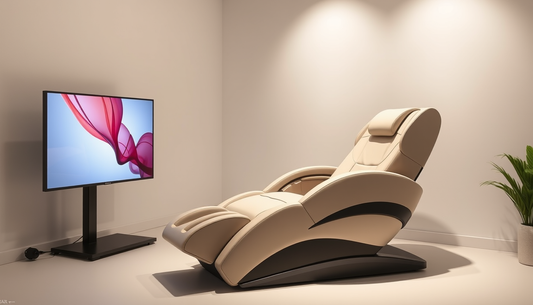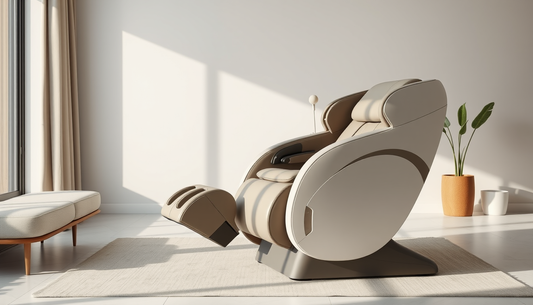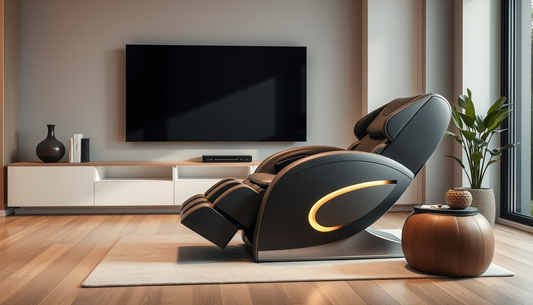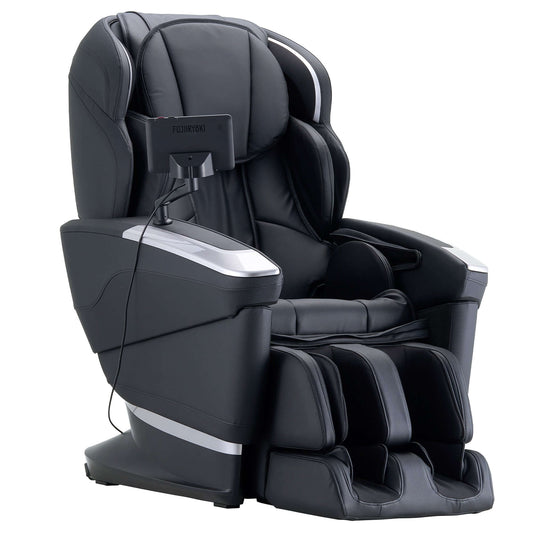
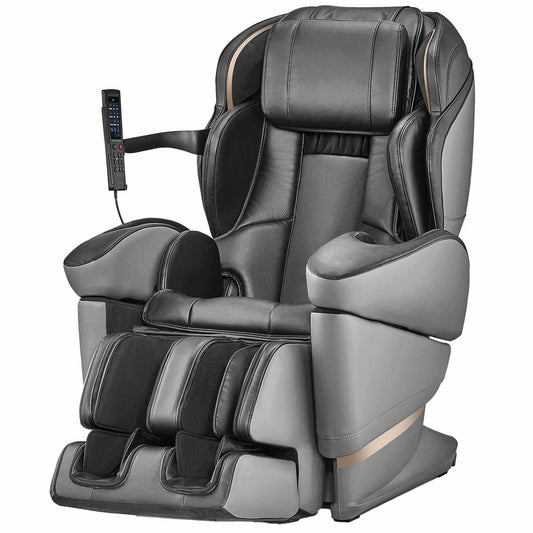
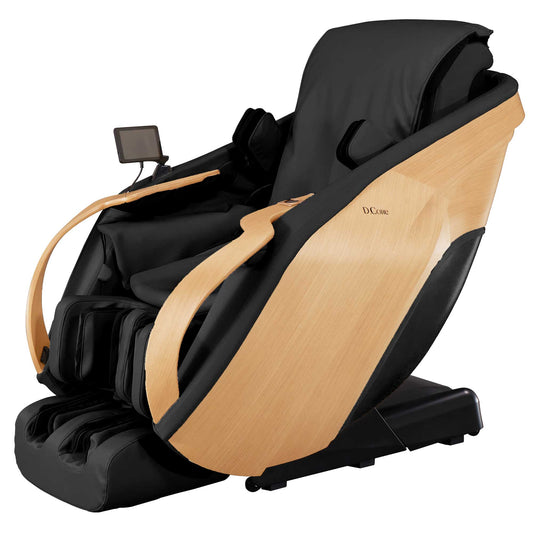
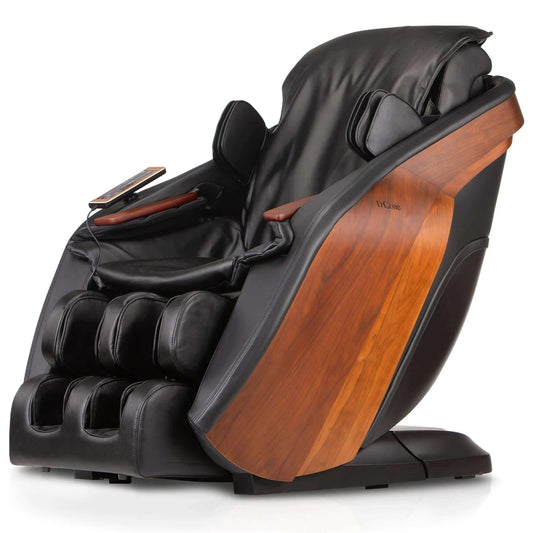
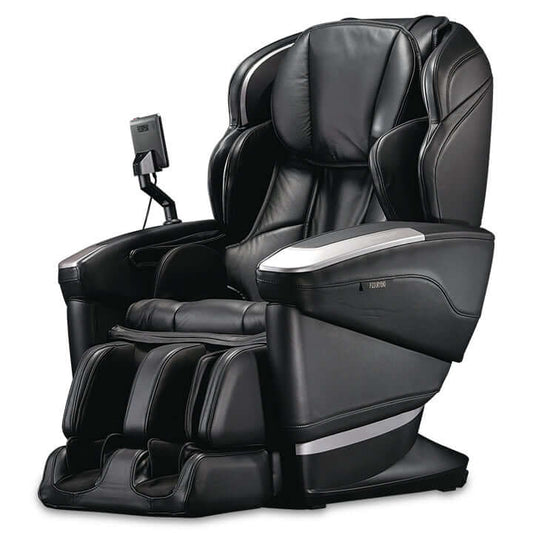

Fujiiryoki Massage Chairs: Slide-Deck Guide to Targeted Techniques (Swedish, Deep Tissue, Trigger Point, Acupressure, Shiatsu, Reflexology, Kneading) and Their Benefits for Every Body Part
Overview
Welcome to an expanded, slide-deck style guide that maps Fujiiryoki massage chairs to seven core techniques and aligns them with every major body part. This comprehensive resource is crafted for home wellness enthusiasts, athletes, and anyone seeking precise therapy from a single, advanced massage chair. By organizing techniques into a slide deck format, you can rapidly design targeted sessions that maximize blood flow, reduce fatigue, improve flexibility, and support injury recovery—without leaving your living room.
Slide-Deck Architecture: How to Read This Guide
The guide is structured as a sequence of technique decks. Each deck explains how a given technique interacts with key body zones, followed by practical, session-ready recommendations. Use the deck approach to assemble a routine that addresses your goals, whether it’s relief from chronic tension, post-workout recovery, or everyday stress relief.
Technique Deep Dives
Slide Deck: Swedish Massage
Swedish massage uses broad strokes, long glides, and light kneading to promote relaxation and improve circulation. In a Fujiiryoki chair, Swedish settings serve as a foundation that can be layered with deeper modalities as needed.
- Whole Body — Benefits: Blood Flow Control, Fatigue Relief, Flexibility Improvement
- Back, Neck, Shoulders — Benefits: Pain Relief, Stress Relief, Spine Alignment
- Legs, Calf, Thigh — Benefits: Muscle Relaxation, Increased Range of Motion, Injury Prevention
- Feet, Ankles, Heels — Benefits: Circulation Boost, Tension Release
- Hands, Wrists, Head — Benefits: Relaxation, Minor Tension Reduction
Slide Deck: Deep Tissue Massage
Deep tissue focuses on deeper muscle layers and fascia to address chronic tension. It pairs well with Swedish as a progressive routine, especially for athletes and anyone dealing with persistent soreness.
- Whole Body — Benefits: Muscle Therapy, Blood Flow, Stress Reduction
- Back, Shoulders, Neck — Benefits: Knot Release, Pain Relief, Improved Mobility
- Hips, Thigh, Knee — Benefits: Injury Recovery, Tissue Therapy
- Calf, Ankle, Heel — Benefits: Circulation Enhancement, Fatigue Relief
- Feet, Hands, Head — Benefits: Targeted Release of Tension, Enhanced Circulation
Slide Deck: Trigger Point Massage
Trigger point work targets specific knots that radiate pain to other areas. Fujiiryoki systems apply precise pressure to deactivate these points and restore smooth movement.
- Back, Neck, Shoulders — Benefits: Local Knot Relief, Pain Reduction, Improved Posture
- Legs, Thigh, Calf — Benefits: Release of Referred Pain, Enhanced Mobility
- Ankle, Knee, Heel — Benefits: Localized Relief, Better Joint Function
- Feet, Hands, Wrists — Benefits: Reduced Tissue Tension, Better Circulation
- Head — Benefits: Headache Mitigation Through Targeted Soft Tissue Work
Slide Deck: Acupressure
Rooted in traditional medicine, acupressure on Fujiiryoki chairs stimulates pressure points along energy channels to balance body systems and promote natural healing.
- Whole Body — Benefits: Energy Balance, Stress Relief, Enhanced Circulation
- Neck, Shoulders — Benefits: Tension Release, Migraine Support
- Back, Spine — Benefits: Posture Alignment Support, Back Comfort
- Hips, Thigh, Knees — Benefits: Joint Comfort, Mobility Improvement
- Feet, Ankles, Calf — Benefits: Improved Foot Function, Lower Leg Circulation
- Wrists, Hands — Benefits: Increased Hand Comfort, Reduced Swelling Potential
Slide Deck: Shiatsu Massage
Shiatsu uses finger pressure and rhythmic kneading to simulate traditional practitioner work, aiming to restore energy flow and relieve deep muscle tension.
- Whole Body — Benefits: Deep Relaxation, Energy Balance
- Back, Shoulders, Neck — Benefits: Deep Knot Relief, Spine Comfort
- Legs, Thigh, Calf — Benefits: Muscle Tone Support, Range of Motion
- Feet, Ankles — Benefits: Arch Support, Circulation Improvement
- Wrist, Hands, Head — Benefits: Tension Release, Head Tension Relief
Slide Deck: Reflexology
Reflexology maps zones on the feet and hands to other body systems. Fujiiryoki foot and hand programs apply targeted pressure to optimize overall well-being.
- Feet, Ankle, Calf — Benefits: Tissue Therapy, Circulation Boost, Relaxation
- Hands, Wrists — Benefits: Nerve Comfort, Dexterity Support
- Whole Body, Back — Benefits: Systemic Balance, Stress Relief
- Head, Neck — Benefits: Tension Reduction, Sleep Support
Slide Deck: Kneading
Kneading motions combine pressure and rhythm to ease muscle stiffness and improve tissue pliability across the body.
- Whole Body — Benefits: Tissue Therapy, Improved Blood Flow
- Back, Shoulders, Neck — Benefits: Muscle Relaxation, Pain Relief
- Legs, Thigh, Calf, Knee — Benefits: Flexibility, Injury Prevention
- Ankle, Heel, Feet — Benefits: Arch Support, Circulation
- Hands, Wrists, Head — Benefits: Tension Release, Calmness
Integrated Benefits for Every Body Part
The slide-deck approach helps you map a personalized routine to the following body zones: Ankle, Back, Calf, Feet, Hands, Head, Heel, Knee, Legs, Neck, Shoulder, Thigh, Whole Body, and Wrist. Common benefits across techniques include Blood Flow Control, Fatigue Relief, Flexibility Improvement, Injury Recovery, Muscle Therapy, Pain Relief, Spine Alignment, Stress Relief, and Tissue Therapy. Use this deck to tailor sessions that address your unique body map and wellness goals.
Body-Part Quick Maps
Below is a compact reference for quick-session planning. Each body part lists the top techniques and the primary benefits you can expect when applying the deck approach in Fujiiryoki chairs.
- Ankle
- Techniques: Swedish, Deep Tissue, Kneading
- Benefits: Circulation, Flexibility, Arch support
- Back
- Techniques: Swedish, Deep Tissue, Trigger Point, Shiatsu
- Benefits: Pain relief, Knot release, Posture alignment
- Calf
- Techniques: Swedish, Deep Tissue, Reflexology, Kneading
- Benefits: Muscle relaxation, Circulation improvement
- Feet
- Techniques: Swedish, Reflexology, Acupressure
- Benefits: Foot function, Sole comfort, Circulation
- Hands
- Techniques: Shiatsu, Reflexology, Kneading
- Benefits: Nerve comfort, Tension relief
- Head
- Techniques: Shiatsu, Acupressure, Trigger Point
- Benefits: Head tension relief, Sleep support
- Heel
- Techniques: Swedish, Kneading, Deep Tissue
- Benefits: Local circulation, Soft tissue pliability
- Knee
- Techniques: Kneading, Deep Tissue, Trigger Point
- Benefits: Joint comfort, Mobility
- Legs
- Techniques: Swedish, Kneading, Reflexology
- Benefits: Overall leg relaxation, Vascular health
- Neck
- Techniques: Shiatsu, Trigger Point, Deep Tissue
- Benefits: Tension release, Postural ease
- Shoulder
- Techniques: Swedish, Shiatsu, Acupressure
- Benefits: Knot relief, Stress drop
- Thigh
- Techniques: Deep Tissue, Trigger Point
- Benefits: Muscle conditioning, Mobility
- Wrist
- Techniques: Reflexology, Kneading
- Benefits: Circulation, Comfort
- Whole Body
- Techniques: All seven main decks as appropriate
- Benefits: System-wide balance, End-to-end wellness
How to Build Your Personal Slide-Deck Routine
- Define your primary goal (e.g., reduce back tension, improve ankle circulation, ease head tension).
- Choose one or two techniques that address that goal for the most relevant body parts.
- Design a balanced session by alternating relaxation-focused slides with deeper tissue work, staying within your comfort zone.
- Time-block sessions (e.g., 20 minutes total, with 4–6 minutes per slide) and rotate to cover all target zones over a week.
- Keep a simple log of sensations, pain levels, and mobility to track progress over time.
Personalized Routine Scenarios
Use these example scenarios to jump-start your practice. Each scenario blends decks for a targeted outcome and can be adjusted by duration and intensity on your Fujiiryoki chair.
- Post-Workout Recovery: Swedish (back and legs) + Deep Tissue (calves and back) + Kneading (whole body)
- Chronic Neck and Shoulder Tension: Shiatsu + Trigger Point (neck/shoulders) + Acupressure (upper back and scalp)
- Morning Energy Boost: Swedish (full body) with brief Reflexology on feet and hands
- Hip and Knee Comfort for Long Days: Deep Tissue (hip/knee) + Trigger Point (lower back) + Acupressure (hips)
Integrated Safety, Comfort, and Customization Tips
- Start gently: Begin with light pressure and gradually increase as comfort allows.
- Use zone-based adjustments: Most Fujiiryoki models allow independent zone control; tailor intensity by body area.
- Hydration matters: Drink water before and after sessions to support tissue flushing and circulation.
- Moderation is key: Avoid uninterrupted long sessions if you are new to massage therapy. Build up gradually.
- Consult a professional if you have recent injuries, surgeries, or chronic conditions before starting a targeted routine.
Maintenance, Setup, and Longevity
To ensure your Fujiiryoki massage chair remains at peak performance, follow regular cleaning and maintenance routines. Wipe down surfaces, check for loose fittings, and keep the software and presets updated. Many models offer diagnostic tools to monitor pad wear and motor health. A well-maintained chair delivers consistent pressure, smoother slides, and longer service life.
FAQ: Maximizing SEO and User Value
Common questions users ask include how to tailor sessions for specific conditions, what combo of techniques delivers the best overall benefit, and how to gain the most stress relief with regular use. This guide aims to provide actionable answers that improve readability, dwell time, and perceived authority—key signals for SEO without sacrificing user experience.
Conclusion
Fujiiryoki massage chairs translate clinical modalities into accessible home therapy. The slide-deck approach in this guide helps you curate targeted sessions mapped to body parts and wellness goals, delivering ongoing benefits across the entire body. With intentional routine design, you can harness the full spectrum of Swedish, Deep Tissue, Trigger Point, Acupressure, Shiatsu, Reflexology, and Kneading to support your health, energy, and resilience in 2026 and beyond.
Tags:
Previous
Fujiiryoki Massage Chairs: A Presentation-Style Deep Dive into Targeted Techniques (Swedish, Shiatsu, Deep Tissue, Trigger Point, Reflexology, Acupressure, Kneading) for Ankle to Wrist—Boosting Blood Flow, Flexibility, Pain Relief, and Full-Body Wellness
Next
Fujiiryoki Massage Chairs: A Presentation-Style Masterclass on Targeted Techniques (Swedish, Deep Tissue, Shiatsu, Reflexology, Acupressure) for Ankle-to-Wrist Full-Body Wellness in 2026