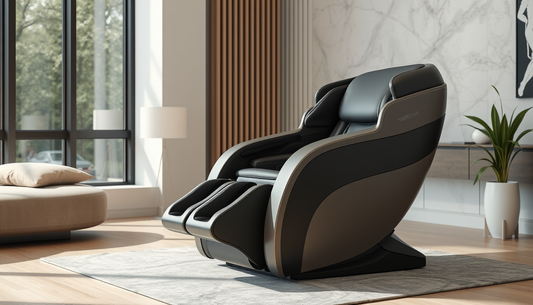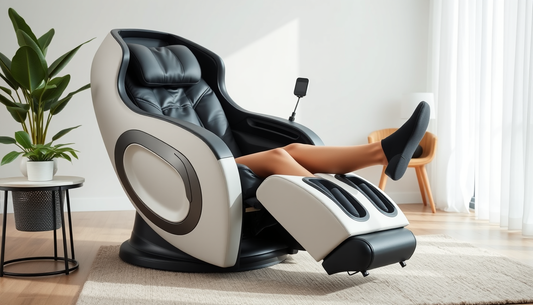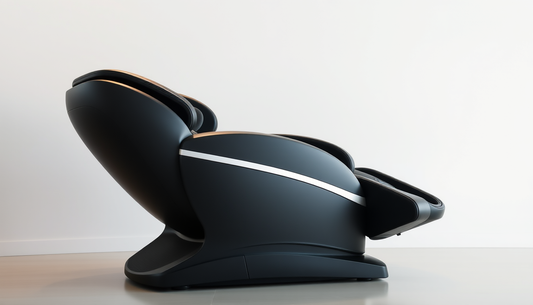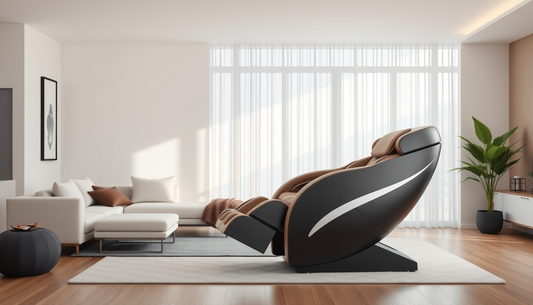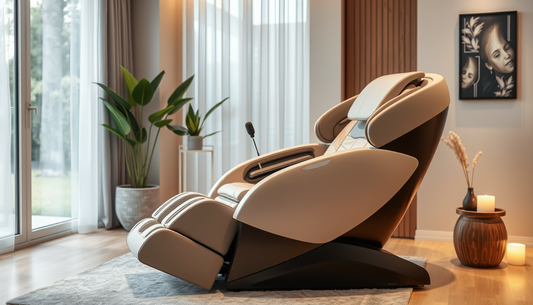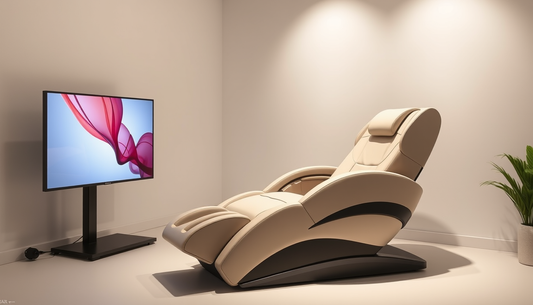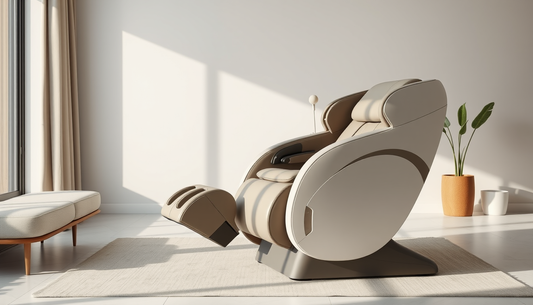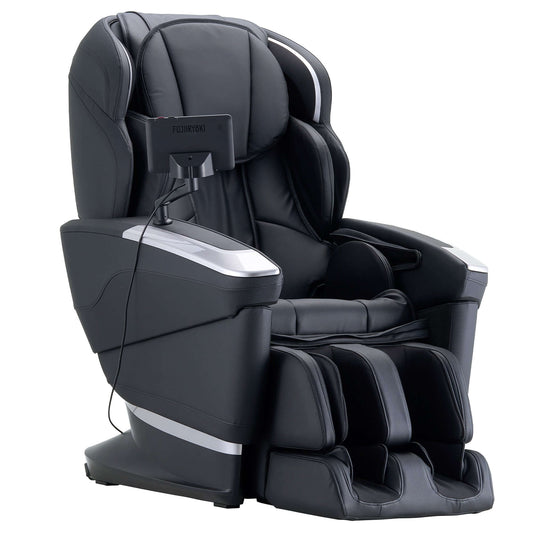
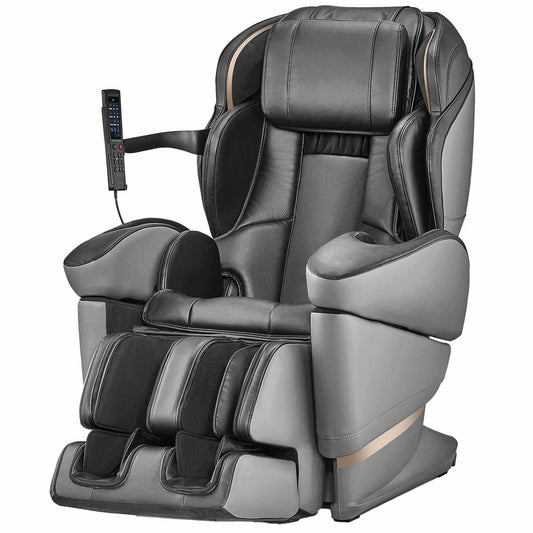
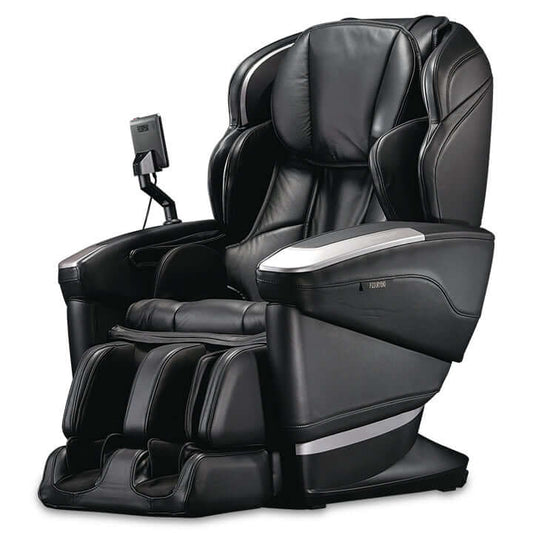

Fujiiryoki Massage Chairs: A Presentation-Style Deep Dive into Targeted Techniques (Swedish, Shiatsu, Deep Tissue, Trigger Point, Reflexology, Acupressure, Kneading) for Ankle to Wrist—Boosting Blood Flow, Flexibility, Pain Relief, and Full-Body Wellness
Slide 1: Opening — A Presentation-Style Deep Dive into Targeted Techniques
Welcome to a comprehensive, presentation-style exploration of Fujiiryoki massage chairs. This deep dive analyzes how targeted techniques work together to cover from ankle to wrist and beyond, delivering improved blood flow, greater flexibility, pain relief, and full-body wellness. By examining Swedish, Shiatsu, Deep Tissue, Trigger Point, Reflexology, Acupressure, and Kneading in detail, you’ll understand how a single chair can adapt to many body parts and therapeutic goals.
Slide 2: Why Fujiiryoki Stands Out in Targeted Wellness
Fujiiryoki chairs are engineered to translate authentic technique palettes into precise, adaptive massage experiences. Advanced sensors map the body, while programmable sequences tailor sessions to individual needs. The result is a cohesive, multi-technique approach that can address the ankles, back, neck, wrists, and more with seamless transitions between zones. This section explains how the integration of hardware, software, and biomechanical design creates consistent therapeutic outcomes.
Slide 3: The Core Techniques in Focus
- Swedish Massage — long, gliding strokes and gentle to moderate pressure to promote relaxation and circulation
- Shiatsu Massage — finger-like pressure and meridian stimulation to relieve stiffness and restore energy flow
- Deep Tissue Massage — slower, deeper work to release chronic tension in targeted muscle layers
- Trigger Point Massage — focused work on knots to reduce referred pain and restore range of motion
- Reflexology — foot and hand zone work that supports systemic balance and overall vitality
- Acupressure — targeted pressure points to influence neural pathways and muscle response
- Kneading — rhythmic, doughing motions to rehydrate and relax muscle fibers
Slide 4: Swedish Massage — The Foundation of Relaxation and Circulation
Swedish techniques provide broad, soothing strokes that warm up superficial muscles and improve blood flow. In Fujiiryoki chairs, Swedish sequences can start at the ankles and move up toward the knees and back, paving the way for deeper work while minimizing discomfort. Benefits include reduced muscle tension, lowered heart rate, and a calm, rejuvenated sensation—important for both daily fatigue relief and longer wellness journeys.
Slide 5: Shiatsu Massage — Meridian Stimulation for Targeted Relief
Shiatsu on Fujiiryoki chairs emphasizes pressure point stimulation along key meridians. The chair can adapt to back and neck regions, then glide to shoulders, arms, hands, and even the feet. By simulating finger pressure and seasonal rhythms, Shiatsu helps release stiffness, improve posture, and support nervous system balance without aggressive force.
Slide 6: Deep Tissue Massage — Releasing Deep-Seated Tension
Deep Tissue work targets deeper muscle layers to address chronic tension and postural strain. In an ankle-to-wrist session, deep tissue sequences can focus on calves, hamstrings, hips, and the mid to upper back. Expect slower, intentional strokes and targeted pressure to dissolve adhesions, improve mobility, and reduce ongoing discomfort that interrupts daily activities.
Slide 7: Trigger Point Massage — Knots, Release, and Range
Trigger point therapy in Fujiiryoki chairs identifies muscular knots and applies precise percussion, vibration, and pressure to interrupt pain cycles. By addressing trigger points around the calves, thighs, back, shoulders, and neck, chairs help restore smooth movement and reduce referred pain that can limit activity or sleep quality.
Slide 8: Reflexology and Acupressure — Foot-to-Head Balance
Reflexology and acupressure map zones that correspond to broader bodily systems. Fujiiryoki chairs apply reflexive work to the feet and hands while delivering acupressure points elsewhere, creating a body-wide response. This combination supports circulation, energy flow, and a sense of grounded balance from feet through the head, contributing to overall vitality and stress reduction.
Slide 9: Kneading — Comfort and Re-Hydration of Tissues
Kneading motions simulate the hands-on experience of kneading dough: soft-to-strong compression across muscle groups to realign tissue and improve pliability. In a chair context, kneading complements other techniques to ensure consistent tissue health along the calves, thighs, back, arms, and shoulders, enhancing long-term flexibility and comfort.
Slide 10: Targeted Body Parts Covered — From Ankle to Wrist and Beyond
- Ankle
- Back
- Calf
- Feet
- Hands
- Head
- Heel
- Knee
- Legs
- Neck
- Shoulder
- Thigh
- Whole Body
- Wrist
Slide 11: Benefits Across the Board
- Blood Flow Control
- Fatigue Relief
- Flexibility Improvement
- Injury Recovery
- Muscle Therapy
- Pain Relief
- Spine Alignment
- Stress Relief
- Tissue Therapy
Slide 12: Real-World Wellness Outcomes You Can Expect
When these techniques are delivered in a coordinated sequence from ankle to wrist, users often notice enhanced leg and hip mobility, reduced neck and shoulder stiffness, and a more restorative sleep pattern. Over time, the combination of improved circulation and tissue health can contribute to sustained energy, better posture, and a diminished sensation of daily fatigue. This slide also highlights how consistent sessions can support athletic recovery, desk-work relief, and postural balance for various lifestyles.
Slide 13: Practical Guidance for Choosing and Using Fujiiryoki Models
To maximize targeted techniques, consider the model’s sensor precision, the range of massage curves for each technique, and the chair’s ability to customize sessions by body segment. Look for features such as zone-specific programming, heat therapy options, adjustable intensity, and easy control interfaces. For ankle-to-wrist coverage, prioritize chairs with robust leg and foot modules, as well as upper body massage capabilities. This slide also covers warranty considerations, noise levels, and warranty coverage for moving parts and electronics.
Slide 14: How to Integrate into Your Wellness Routine
Begin with shorter sessions focused on Swedish and kneading to warm tissues, then gradually incorporate Shiatsu or Trigger Point work for deeper relief. Schedule regular sessions that emphasize the lower body first, then expand to the back and neck regions. Pair massage with hydration and gentle stretching for enhanced results, and consult with a clinician if you have persistent pain or a medical condition. We also discuss best times of day for different techniques and how to combine massage with mobility drills for a holistic routine.
Slide 15: Conclusion — Elevate Wellness with a Cohesive, Targeted Approach
Fujiiryoki massage chairs offer a thoughtfully designed, presentation-style approach to targeted techniques. By combining Swedish, Shiatsu, Deep Tissue, Trigger Point, Reflexology, Acupressure, and Kneading across the ankle to wrist spectrum, they enable blood flow optimization, flexibility gains, pain relief, and overall full-body wellness in a single, convenient device. Consider your body parts of focus, your wellness goals, and your home or spa environment to select a model that brings expert-level therapy into daily life.
Slide 16: Advanced Customization and Zone-Specific Programming
This section dives into how modern Fujiiryoki systems map the body with precision and allocate massage sequences to specific zones. You’ll learn about foot and calf emphasis, back and neck zoning, and how quick presets can be tailored to injury history, activity level, or chronic stiffness. The emphasis is on reliable customization that stays consistent across sessions and users.
Slide 17: Understanding Session Design — Timing, Intensity, and Rhythm
Crafting the right session involves tuning duration, stroke speed, pressure, and transition pacing. We explore practical guidelines for short daily refreshers versus longer weekly therapies, and how to balance soothing Swedish strokes with muscle-releasing deep work. This helps ensure you get meaningful benefits without overstimulation or fatigue.
Slide 18: Chair Massage versus Manual Massage — Value, Consistency, and Convenience
While manual massage offers human nuance, a Fujiiryoki chair provides repeatable precision, risk reduction for repetitive strain, and the ability to target multiple regions in one pass. This slide compares outcomes, time investment, and long-term value for home and spa settings, highlighting how automation can complement professional care.
Slide 19: Case Studies and Anecdotes — Realistic Outcomes
Case examples illustrate how different users benefit from ankle-to-wrist programs. Case A describes a desk worker reducing ankle and knee stiffness, Case B shows improved sleep and neck comfort after regular sessions, and Case C outlines accelerated recovery after a light running program. These narratives demonstrate practical, relatable outcomes while emphasizing that results vary with adherence and overall health.
Slide 20: Safety, Contraindications, and Maintenance
Safety takes precedence in every Fujiiryoki session. This section covers contraindications for acute injuries, recent surgeries, or pregnancy, as well as guidance on hydration, monitoring pressure levels, and routine maintenance. We provide a simple care plan for cleaning pads, checking sensors, and ensuring leg and foot modules stay free of debris for consistent performance.
Slide 21: Selecting a Model for Ankle-to-Wrist Coverage
To maximize ankle-to-wrist therapy, look for models with robust leg and foot massage modules, comprehensive upper body work, and seamless zone transitions. This slide outlines criteria such as sensor fidelity, massage curve variety, heat integration, and user-friendly interfaces. It also suggests questions to ask retailers to verify full-body coverage in your living space.
Slide 22: Matching Your Wellness Goals to Techniques
Different goals align with different technique emphases. For example, longevity and circulation benefit from regular Swedish and kneading, while targeted pain relief may rely on trigger point and deep tissue work. We provide a practical map that helps you sequence techniques across sessions to support ongoing improvements in blood flow, flexibility, and overall comfort.
Slide 23: Integrating Heat Therapy, Air Pressure, and Compression
Beyond classic massage strokes, Fujiiryoki systems often incorporate heat therapy and air-based compression to amplify benefits. This section explains how heat can enhance tissue pliability and how compression cycles support venous return, particularly in the legs and feet. We also discuss safety considerations and optimal usage patterns.
Slide 24: The Science Behind Massage Techniques
Understanding the mechanisms behind the benefits helps you optimize every session. This section summarizes how mechanical stimulation improves circulation, reduces muscle stiffness, modulates neural pathways, supports lymphatic flow, and promotes tissue remodeling. It connects the dots between targeted techniques and measurable outcomes like mobility, pain reduction, and sleep quality.
Slide 25: Practical Tips for Optimal Results
To maximize what you get from Fujiiryoki sessions, follow a routine that balances consistency with listening to your body. Hydrate before and after sessions, finish with light stretching, and adjust intensity gradually. Keep a simple log to track which zones and techniques yield the best relief for your lifestyle, and consult a clinician if pain persists or worsens.
Slide 26: A Long-Term Wellness Plan — Weekly Rhythm and Milestones
Develop a sustainable plan that fits your schedule. We propose a multi-week rhythm that alternates between lower body focus and upper body work, with longer sessions on weekends. Milestones include improved range of motion, deeper sleep, and reduced daily fatigue. The plan acknowledges that patience and consistency build lasting wellness.
Slide 27: Home Environment and Spa-Like Experience
Creating a calming space enhances the effectiveness of massage chair therapy. This slide offers tips on lighting, sound, room temperature, and seating arrangement to mimic a spa-like environment. A comfortable, distraction-free setting supports mindfulness and longer, more focused sessions.
Slide 28: Maintenance Schedule, Warranty, and Longevity
Finally, we cover routine maintenance tasks, inspection intervals, and warranty considerations that protect your investment. Regular cleaning, sensor checks, and prompt attention to any unusual noises help preserve performance and extend the life of the chair. This slide also highlights typical warranty terms and what they cover for mechanical versus electronic components.
Slide 29: Final Reflection — The Path to Integrated Full-Body Wellness
With a thoughtful, presentation-style approach, Fujiiryoki massage chairs enable a cohesive practice that blends Swedish, Shiatsu, Deep Tissue, Trigger Point, Reflexology, Acupressure, and Kneading across the ankle-to-wrist spectrum. The result is improved blood flow, greater flexibility, pain relief, and sustained full-body wellness that fits into modern life. Embrace a regular rhythm, customize your zones, and leverage technology to support your well-being journey.
Tags:
Previous
Fujiiryoki Massage Chairs 2026: Mastering Shiatsu, Reflexology, and Deep Tissue Techniques for Whole-Body Wellness and Pain Relief
Next
Fujiiryoki Massage Chairs: Slide-Deck Guide to Targeted Techniques (Swedish, Deep Tissue, Trigger Point, Acupressure, Shiatsu, Reflexology, Kneading) and Their Benefits for Every Body Part