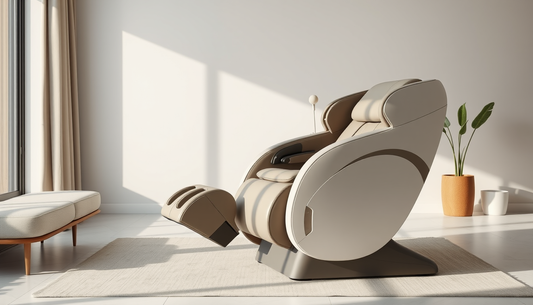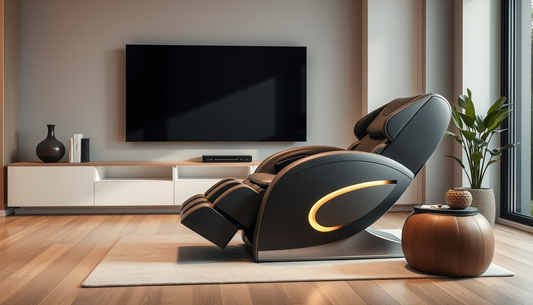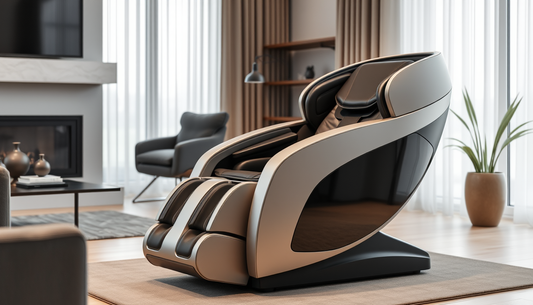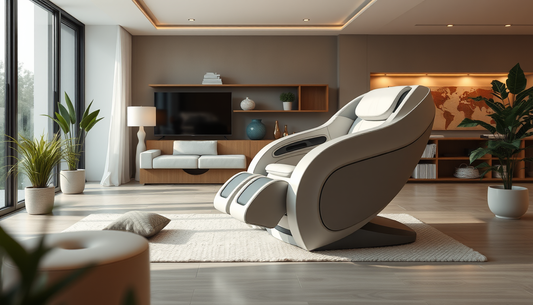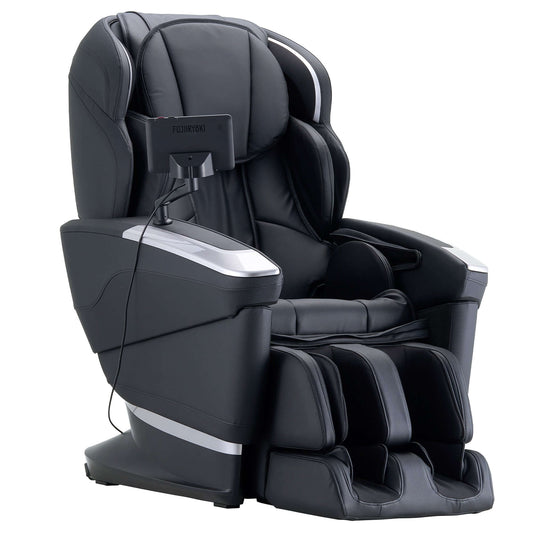
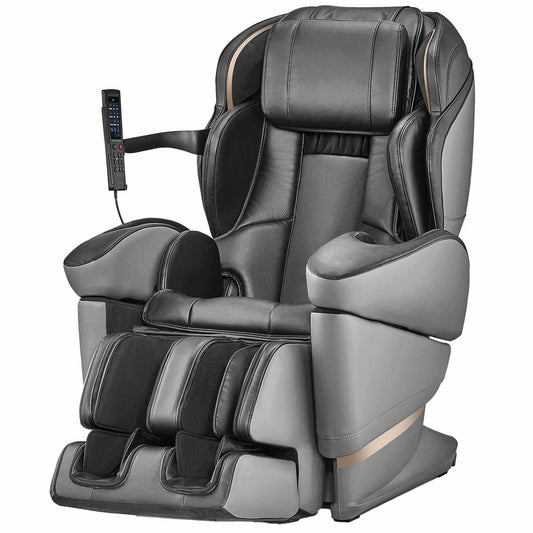
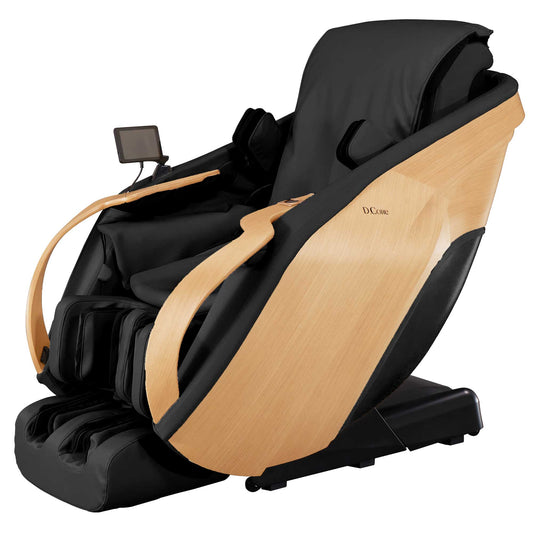
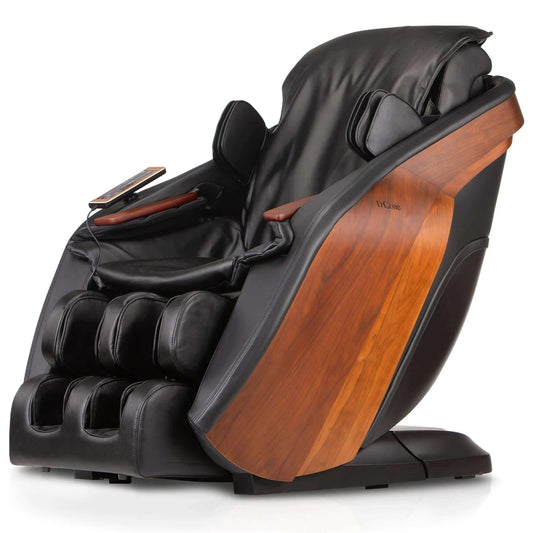
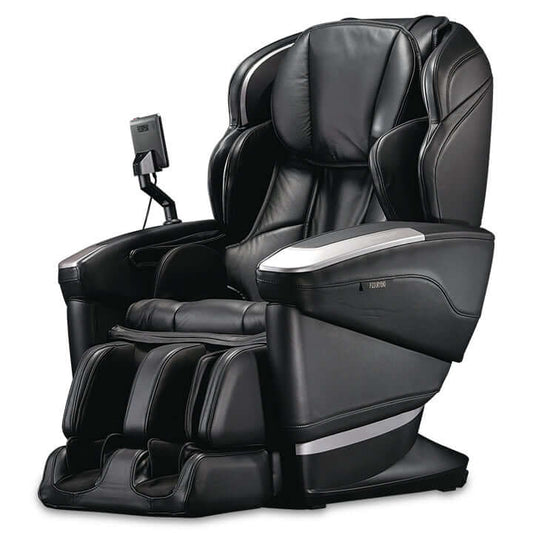
Fujiiryoki Massage Chairs: A Slide-Deck Style Guide to Targeted Techniques (Swedish, Deep Tissue, Trigger Point, Acupressure, Shiatsu, Reflexology, Kneading) for Head-to-Toe Wellness
Slide 1: Introduction to Fujiiryoki Targeted Techniques
This slide deck style guide explains how Fujiiryoki massage chairs deliver targeted techniques for head to toe wellness. You will find practical insights on technique definitions, the body parts most often involved, and the benefits you gain when care is tailored to problem areas and everyday stressors.
Slide 2: Targeted Body Parts for Head-to-Toe Relief
- Ankle
- Back
- Calf
- Feet
- Hands
- Head
- Heel
- Knee
- Legs
- Neck
- Shoulder
- Thigh
- Whole Body
- Wrist
Slide 3: Massage Techniques at a Glance
The following techniques are highlighted for their role in improving circulation, reducing tension, and promoting overall mobility. Each technique can be mapped to multiple body parts for a customized chair experience.
- Swedish Massage
- Deep Tissue Massage
- Trigger Point Massage
- Acupressure
- Shiatsu Massage
- Reflexology
- Kneading
Slide 4: Swedish Massage on Head-to-Toe
Swedish massage emphasizes long strokes, light to moderate pressure, and rhythmic motions. This technique is ideal for relaxation, improving circulation, and easing daily fatigue.
- Targets: Back, Shoulders, Neck, Arms, Hands, Legs, Feet, Ankles
- Benefits: Stress relief, Enhanced blood flow, Muscular relaxation
- How Fujiiryoki implements it: Long effleurage strokes, gentle petrissage, and smooth transitions with air venting for comfort
- Recommended settings: Moderate intensity, balanced speed, emphasis on lower back and shoulders
Slide 5: Deep Tissue Massage for Knotted Areas
Deep tissue massage focuses on deeper layers of muscle and fascia to address chronic tension and stiffness. It complements daily activity by breaking down adhesions and restoring range of motion.
- Targets: Back, Neck, Shoulders, Legs, Calf, Thigh, Ankle
- Benefits: Knot release, Pain relief, Improved flexibility
- How Fujiiryoki achieves it: Concentrated kneading, targeted pressure points, and controlled depth with adaptive rollers
- Recommended settings: Higher pressure, slower pace, focused work on problem zones
Slide 6: Trigger Point Massage for Specific Hotspots
Trigger point therapy focuses on hyperirritable spots in muscle tissue that can cause referred pain. The chair can locate and treat these zones for fast relief and reduced muscle guarding.
- Targets: Neck knots, Shoulder blades, Upper back, Gluteal region, Calf knots
- Benefits: Rapid pain relief, Reduced muscle guarding, Improved mobility
- How Fujiiryoki implements it: Precision finger-like nodes, rapid nested cycles, and localized deep pressure
- Recommended settings: Intermittent pressure bursts, high precision targeting, shorter sessions for sensitive areas
Slide 7: Acupressure for Energy Flow and Balance
Acupressure stimulates pressure points along meridians to boost energy, relieve tension, and support natural healing processes. This approach blends traditional principles with modern massage chair engineering.
- Targets: Neck, Head, Shoulders, Back, Arms, Legs
- Benefits: Energy balance, Stress relief, Improved circulation
- How Fujiiryoki implements it: Point stimulation using calibrated nodes and integrated heat for comfort
- Recommended settings: Moderate pressure with sustained contact on large muscle groups
Slide 8: Shiatsu Massage for Meridian Flow
Shiatsu uses finger pressure and rhythmic compression along traditional meridians. This technique supports posture, spine alignment, and overall energy harmony.
- Targets: Neck, Shoulders, Back, Hips, Legs
- Benefits: Spine alignment, Deep relaxation, Improved postural comfort
- How Fujiiryoki implements it: Finger-like rollers, vertical compression, and guided line work across the back and limbs
- Recommended settings: Steady pressure, longer sequences on the back and neck
Slide 9: Reflexology for Feet, Hands, and Beyond
Reflexology maps zones on the feet and hands to reflexes in other parts of the body. The chair can gently stimulate these zones to support systemic relaxation and balance.
- Targets: Feet, Hands, Calf, Legs, Back, Head
- Benefits: Systemic relaxation, Improved circulation, Reduced tension in distant areas
- How Fujiiryoki implements it: Fine toe and palm work, arch focus, and synchronized leg work
- Recommended settings: Light to moderate pressure on feet and hands, extended sessions for complete balance
Slide 10: Kneading for Deep Comfort and Fluidity
Kneading is a fundamental motion in many massage traditions. In a Fujiiryoki chair, kneading helps loosen fascia, improve tissue mobility, and foster an overall sense of ease across the body.
- Targets: Back, Shoulders, Neck, Arms, Legs, Feet
- Benefits: Tissue therapy, Improved mobility, Reduced stiffness
- How Fujiiryoki implements it: Circular, compressive hands on all major muscle groups with adaptive pressure
- Recommended settings: Balanced mix of kneading intensity and tempo, focus on areas with stiffness
Slide 11: Integrated Whole-Body Benefits
Combining these techniques in a single session supports a comprehensive wellness outcome. Expect improved blood flow, reduced fatigue, enhanced flexibility, and stress relief across the entire kinetic chain.
- Blood Flow Control
- Fatigue Relief
- Flexibility Improvement
- Injury Recovery
- Muscle Therapy
- Pain Relief
- Spine Alignment
- Stress Relief
- Tissue Therapy
Slide 12: Practical Tips for Getting the Most from Your Fujiiryoki Chair
- Start with a 10 to 15 minute session to gauge tolerance for each technique
- Alternate techniques during a session to target different body parts
- Use heat when available to improve tissue pliability and comfort
- Adjust intensity gradually and listen to your body cues
- Hydrate after sessions to support circulation and recovery
Slide 13: Personalization: Building Your Ideal Session Library
Fujiiryoki chairs excel when you create a personal library of presets tailored to common concerns. Save combinations that address fatigue, stiffness, or post-workout recovery, then reuse them in future sessions.
- Preset 1: Morning refresh (gentle Swedish + kneading)
- Preset 2: Post-workout recovery (deep tissue + trigger point)
- Preset 3: Stress relief (shiatsu + acupressure + reflexology)
- Preset 4: Evening unwind (relaxation heavy with heat)
Slide 14: Deep Dive: Mapping Techniques to Body Parts
Understanding which techniques best serve each major region helps you design safer and more effective sessions.
- Ankle & Heel: Light Swedish strokes with targeted kneading to reduce swelling and increase range of motion
- Back & Shoulders: A mix of deep tissue, trigger point, and shiatsu to release knots
- Neck & Head: Gentle gliding with acupressure and reflexology for tension relief
- Legs & Calf: Kneading and Swedish strokes complement deep tissue work for muscle recovery
- Hands & Wrists: Refloxology-inspired micro-strokes and light pressure relief
Slide 15: Whole-Body Wellness Programs: A Weekly Plan
Implement a simple weekly routine that alternates between recovery and maintenance. Short, frequent sessions can yield better long-term results than sporadic, long sessions.
- Monday: Morning refresh (30 minutes, Swedish + kneading)
- Wednesday: Deep tissue focus (30 minutes, shoulders to back)
- Friday: Relaxation circuit (45 minutes, shiatsu, acupressure, reflexology)
- Weekend: Optional light session or mobility work (15–20 minutes)
Slide 16: Office and Everyday Scenarios
Design chair sessions to fit modern life. Short, frequent breaks can counteract sedentary patterns and improve daily performance.
- Office workers: Seated Swedish with gentle neck relief every 90 minutes
- Athletes: Post-activity recovery with targeted deep tissue and trigger point
- Seniors: Gentle, heat-assisted sessions focusing on circulation and joint comfort
Slide 17: Safety, Contraindications, and Precautions
While Fujiiryoki massage chairs are safety-first devices, certain conditions warrant caution or medical clearance.
- Recent surgery or acute injury should be discussed with a clinician
- Pregnancy, herniated discs, or uncontrolled hypertension require professional guidance
- People with implanted devices or fragile bones should use adjustable settings at low intensity
Slide 18: Maintenance and Cleaning for Longevity
Regular care helps preserve performance and hygiene. Follow manufacturer guidelines for fabric care, filter replacement, and upholstery cleaning.
- Wipe surfaces with a mild, non-abrasive cleaner
- Inspect foot and calf rollers for wear and remove blockage promptly
- Keep the area dry and ventilated after sessions
- Schedule annual professional servicing if available
Slide 19: Technology and Personalization: What Makes Fujiiryoki Stand Out
Advanced engineering enables precise contouring, adaptive pressure, and synchronized multi-zone coverage. The chair leverages sensors, actuators, and intelligent control for a truly customizable experience.
- Adaptive rollers and airbags for multi-zone coverage
- Ergonomic mapping that adjusts to user height and body type
- Intuitive remotes and optional apps for preset management
Slide 20: How to Choose the Right Model for You
Different Fujiiryoki models offer varying levels of intensity, coverage, and heat options. Consider your target body parts, preferred techniques, and budget when selecting a chair.
- Intensity range: Light to high
- Coverage: Full-body vs. partial zones
- Heat and massage patterns
- Size and warranty considerations
Slide 21: Comparing Techniques: Swedish vs Deep Tissue vs Shiatsu
Each technique serves different goals. Use Swedish for relaxation, deep tissue for stiffness, and shiatsu for alignment and energy balance. The chair can blend them for optimal results.
- When to choose Swedish: Fatigue, stress, sleep quality
- When to choose Deep Tissue: Chronic tension, post-activity recovery
- When to choose Shiatsu: Postural issues, neck and spine comfort
Slide 22: Common Mistakes and How to Avoid Them
Avoid overdoing pressure on sensitive areas, neglecting hydration, and skipping warm-up or cool-down phases. Use gradual trends in intensity and listen to your body's signals.
- Avoid harsh, sudden pressure on joints
- Don’t skip hydration or cooling down after a session
- Warm up with light strokes before deeper work
Slide 23: Frequently Asked Questions (FAQ)
Here are common questions about Fujiiryoki chair use and benefits.
- Which techniques are best for headaches? Acupressure and reflexology cues with gentle neck work
- Can I use the chair daily? Yes, with varying intensities and durations
- How long should a typical session last? 20–45 minutes depending on goals
Slide 24: Real-World Testimonials and Outcomes
Users report improved sleep, reduced muscle soreness, and better posture when integrating Fujiiryoki sessions into daily life.
- Better morning stiffness relief
- Quicker post-exercise recovery
- Enhanced relaxation before sleep
Slide 25: Final Thoughts: Your Path to Head-to-Toe Wellness
With a slide-deck style approach, you can design targeted, evidence-informed massage sessions that address specific body parts, techniques, and wellness goals. Fujiiryoki chairs bring professional-grade options into everyday living spaces.
Tags:
Previous
Fujiiryoki Massage Chair Techniques Unpacked: A Presentation-Style Guide to Swedish, Shiatsu, Deep Tissue, Reflexology for Ankle-to-Head Wellness
Next
Fujiiryoki Massage Chairs: A Guide to Targeted Techniques for Wellness