
Fujiiryoki Massage Chair Techniques Unpacked: A Presentation-Style Guide to Swedish, Shiatsu, Deep Tissue, Reflexology for Ankle-to-Head Wellness
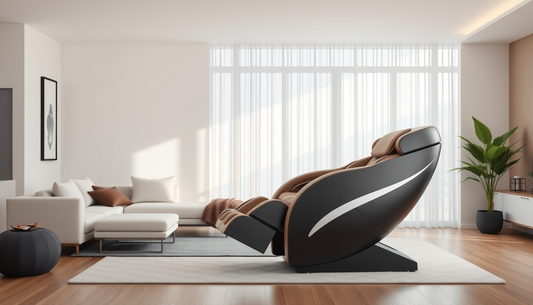
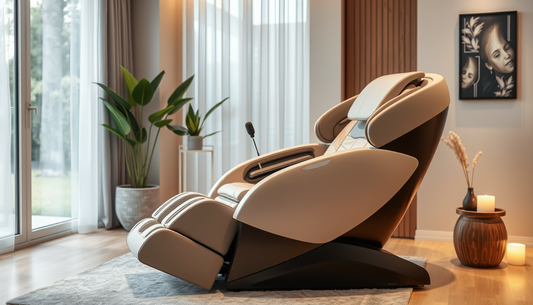
Welcome to an in-depth, presentation style guide that unpacks Fujiiryoki massage chair techniques for an ankle to head wellness journey. This guide delves into Swedish, Shiatsu, Deep Tissue, and Reflexology modes, and explains how these modalities are translated into precise chair actions. You will learn not only what each technique targets, but also how to design practical routines that fit daily life, sports recovery, and long term wellness goals.
Introduction: Why a Presentation-Style Guide for Fujiiryoki Chairs Matters
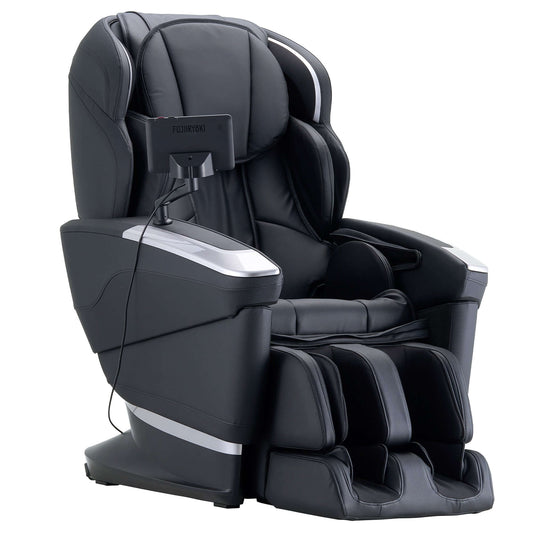
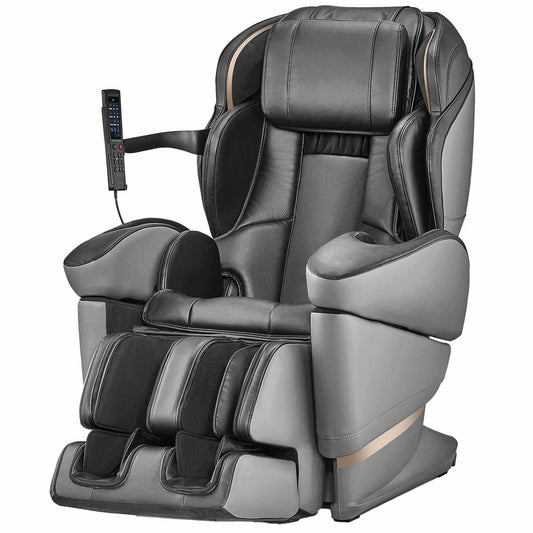
Fujiiryoki chairs bring professional level massage into the home through intelligent zoning, adaptive rollers, airbags, heat therapy, and programmable settings. A presentation style approach helps demystify the technology, empowering you to choose the right combination of techniques for specific body parts and outcomes. By the end of this guide, you will be equipped to craft personalized sessions that cover the ankles all the way to the head, with a clear understanding of what each technique can achieve.
Fujiiryoki at a Glance: What Sets It Apart for Whole-Body Wellness
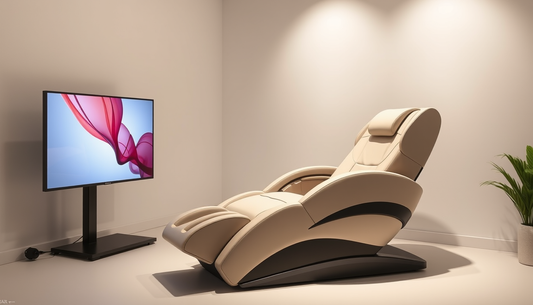
These chairs combine multiple modalities into one seated experience. Advanced rollers follow the contours of the spine, airbags inflate to gently cradle limbs, heat therapy accelerates tissue pliability, and sensors tailor pressure, speed, and rhythm. The result is a versatile platform capable of delivering Swedish style relaxation, shiatsu style point work, deep tissue reach, and reflexology inspired zone stimulation across the entire body.
Core Massage Modalities and How They Are Realized in Fujiiryoki Chairs
The following sections map the seven massage techniques to their practical chair equivalents, including typical targets, simulated methods, and the body parts that most benefit. Think of this as your technical reference for designing sessions.
Swedish Massage
- What it targets: broad, long strokes along large muscle groups to promote relaxation and circulation
- How it is simulated: extended gliding motions, light kneading, rhythmic tapping, and gentle vibration using a combination of rollers and air bladders
- Body parts benefited: ankles, calves, feet, knees, thighs, lower back, mid back, shoulders, neck, arms
- Key benefits: stress relief, improved circulation, reduced fatigue, enhanced flexibility
- Session feel: overall calm with a light to moderate intensity that can be sustained for longer durations
Deep Tissue Massage
- What it targets: deeper muscle layers to release chronic tension, adhesions, and stiffness
- How it is simulated: slower, targeted kneading and compression with focused roller action and increased pressure zones
- Body parts benefited: back, shoulders, neck, hips, thighs, calves
- Key benefits: muscle therapy, pain relief, improved tissue mobility, faster recovery after intense activity
- Session feel: deeper work that may feel intense at times, best for specific tension points or post activity recovery
Trigger Point Massage
- What it targets: known trigger points and muscle knots, especially in the upper back, shoulders, and neck
- How it is simulated: precision point pressure and interval releases using targeted nodes and responsive airbags
- Body parts benefited: upper back, neck, shoulders, arms, wrists
- Key benefits: targeted pain relief, improved range of motion, prevention of reoccurring tension
- Session feel: localized pressure with relief that often follows a brief post-release lull
Acupressure
- What it targets: energy lines and pressure points mapped to holistic balance
- How it is simulated: localized pressure zones and rhythmic pulses along meridian points, with configurable intensity
- Body parts benefited: feet, ankles, calves, hands, wrists, neck, head
- Key benefits: improved circulation, stress relief, mood stabilization, nerve comfort
- Session feel: soothing, with a sense of restoring equilibrium across the body
Shiatsu Massage
- What it targets: meridian channels and muscular tension along the spine and limbs
- How it is simulated: finger-like compression and kneading performed by calibrated rollers and targeted airbags
- Body parts benefited: back, shoulders, hips, thighs, calves, feet, neck
- Key benefits: energy balance, relaxation with muscular release, improved posture support
- Session feel: rhythmic and thoughtful pressure that can feel both grounding and expansive
Reflexology
- What it targets: reflex zones in feet and hands that correspond to other organs and systems
- How it is simulated: dedicated foot and hand rollers with precise contact zones aided by compression and vibration
- Body parts benefited: feet, ankles, lower legs, hands, wrists
- Key benefits: systemic balance, improved circulation, fatigue reduction, mood uplift
- Session feel: a precise, toe-to-head sense of release through focused contact
Kneading
- What it targets: broad muscle groups via repetitive kneading motion
- How it is simulated: rolling and kneading sequences over major muscle areas guided by sensors
- Body parts benefited: back, shoulders, thighs, calves, arms
- Key benefits: general relaxation, improved tissue mobility, smoother range of motion
- Session feel: comforting and versatile, suitable for a wide audience
Ankle-to-Head Wellness: A Full-Body Journey
Ideally, a Fujiiryoki routine covers the entire spectrum from ankle to head. The chair uses zoning algorithms to adapt to your height, posture, and target areas. Expect a coordinated sequence where foot rollers stimulate the arches, calf airbags engage lower legs, thigh glides promote circulation, and neck rollers deliver a gentle cervical stretch. This holistic approach supports both immediate relief and cumulative health benefits over time.
Targeted Body Parts Coverage by Technique
- Ankle and Foot: Reflexology, Acupressure, Swedish, Kneading
- Calf and Calf-Back Interface: Swedish, Deep Tissue, Kneading
- Knee and Thigh: Swedish, Kneading, Trigger Point
- Back and Spine: Deep Tissue, Shiatsu, Trigger Point, Kneading
- Shoulder and Neck: Shiatsu, Deep Tissue, Trigger Point
- Arms and Hands: Acupressure, Reflexology, Kneading
- Head and Face: Reflexology, Acupressure, Light Swedish
Session Design: How to Create Studio-Quality Routines at Home
Use the following framework to design sessions that feel like a presentation you would deliver to a client or class. Each session can be adjusted in duration, intensity, and target areas based on comfort and goals.
- Step 1: Select a primary technique focus for the day, such as Swedish for relaxation or Deep Tissue for soreness relief.
- Step 2: Choose an intensity level and zone emphasis. Start gentle, then step up gradually to gauge tolerance.
- Step 3: Add heat and compression to aid tissue pliability and lymphatic flow. Consider alternating heat with cool air for contrast.
- Step 4: Time the session with a structured rhythm. For example, 4 minutes per zone with a 1 minute transition between zones.
- Step 5: Finish with a calming finish sequence combining Reflexology and light Swedish to consolidate relaxation.
Sample Programs for Different Goals
Below are practical, ready-to-run programs you can adopt. Each program is designed to be accessible for a home setting while delivering a studio-like experience.
- Morning Wake-Up: 12 minutes total — 4 minutes Swedish on back and shoulders, 4 minutes Nordic style kneading on legs, 4 minutes light reflexology on feet.
- Evening Unwind: 18 minutes total — 6 minutes Swedish full body, 6 minutes Shiatsu focusing on neck and upper back, 6 minutes Reflexology on feet with gentle heat.
- Post-Workout Recovery: 20 minutes total — 6 minutes Deep Tissue on calves and quads, 6 minutes Trigger Point on upper back/neck, 4 minutes Kneading on back, 4 minutes light Swedish cooling down.
- Travel-Friendly Quick Reset: 10 minutes total — 4 minutes Swedish for whole body, 3 minutes Acupressure on feet, 3 minutes Gentle Shiatsu on neck and shoulders.
Scientific Rationale: How Massage Physiology Interacts with a Fujiiryoki Chair
This section connects chair features to physiological effects. Massage increases blood flow, promotes venous return, stimulates lymphatic drainage, reduces muscle spindle tension, and influences autonomic nervous system balance. The combination of rollers, airbags, heat, and rhythm is designed to evoke a staged response: relaxation, recalibration of muscle tension, and enhanced tissue elasticity. Over time, regular use may support posture alignment and pain management when integrated with movement and mindfulness.
Session Etiquette and Safety Considerations
While Fujiiryoki chairs are designed for home use, some safety considerations apply. Start with lower intensity if you are new to chair massage. Avoid sessions if you have acute injuries that require medical clearance. People with pacemakers, pregnancy, herniated discs, or skin conditions should consult a healthcare professional before using any massage chair. Stop if you experience numbness, dizziness, or sharp pain beyond mild discomfort.
Maintenance, Longevity, and Care for Your Fujiiryoki Chair
Regular cleaning of cushions and roller surfaces extends life and performance. Use a mild, neutral cleaner and damp cloth for wiping surfaces. Check upholstery seams for wear and replace any worn components with guidance from the manufacturer. Periodically recalibrate user profiles and software updates to maintain accurate targeting and program options. Store your chair away from heat sources and direct sunlight to preserve upholstery integrity.
Case Studies: Realistic Scenarios You Can Relate To
Case studies offer tangible examples of how a presentation-style approach translates into daily life. Here are two brief scenarios to illustrate potential outcomes.
- Case A — Desk Worker to Recovery Enthusiast: A sedentary professional uses a 15 minute daily routine focusing on the back and neck with Shiatsu and Reflexology. After four weeks, they report reduced neck stiffness and invigorated feet after long days.
- Case B — Weekend Athlete: A runner uses a 25 minute routine after training, emphasizing Deep Tissue on the calves, Kneading on the quads, and Trigger Point on the upper back. After several sessions, they notice improved range of motion and quicker post run recovery.
Common Myths and Truths About Massage Chairs
Myth: Massage chairs replace physical therapy. Truth: They complement therapy and can aid recovery when used in conjunction with professional guidance and proper exercise. Myth: All chairs feel the same. Truth: Chair models differ in roller profiles, airbag layouts, heat zones, and software algorithms, which influence outcomes. Myth: Intensity is always better. Truth: Comfort and safety come first; gradual progression is key to long term adherence and benefits.
Comparison: Fujiiryoki Versus Other Massage Chair Technologies
While many chairs offer similar modalities, Fujiiryoki stands out for its depth of zoning, contoured roller paths, and multi-modal integration that allows seamless transitions between therapy types. This combination often yields a more cohesive whole body experience compared with simpler implementations that rely on fewer modalities.
Practical Buyer Tips: Getting the Most Value from Your Chair
When evaluating a Fujiiryoki model, pay attention to: the number of auto programs, zone-specific controls, heat intensity range, massage speed and rhythm options, user memory profiles, and ease of maintenance. Consider a unit with robust warranty, readily available replacement parts, and a user-friendly interface that makes it simple to design studio-style sessions at home.
Closing: Embrace a Thoughtful, Presentation-Style Approach to Ankle-to-Head Wellness
By understanding the core techniques and benefits, you can create purposeful Fujiiryoki chair sessions that mirror professional sessions while delivering ongoing wellness from ankle to head. Whether you seek relief from daily stress, targeted muscle tension, or a spa-like experience at home, these techniques provide a versatile path to better health. Use the roadmap outlined here as a blueprint to design your own weekly routines, experiment with combinations, and build a sustainable habit that aligns with your lifestyle.
Tags:
Previous
From Ankles to Wrists: How Fujiiryoki Massage Chairs Deliver Targeted Techniques for Total-Body Wellness in 2026
Next
Fujiiryoki Massage Chairs: A Slide-Deck Style Guide to Targeted Techniques (Swedish, Deep Tissue, Trigger Point, Acupressure, Shiatsu, Reflexology, Kneading) for Head-to-Toe Wellness