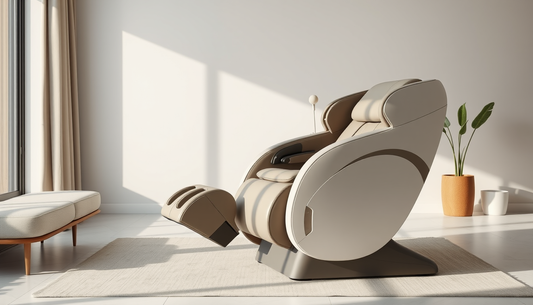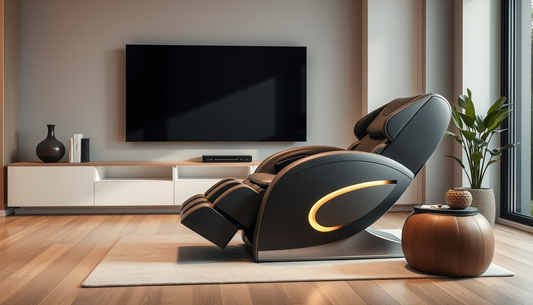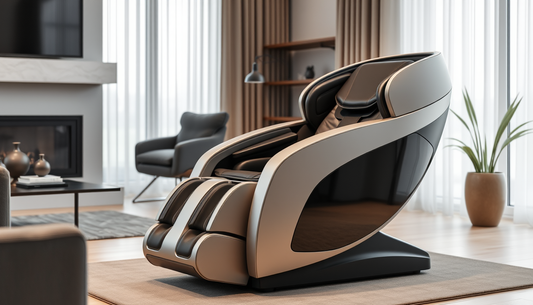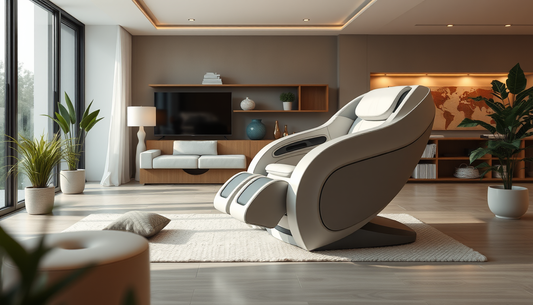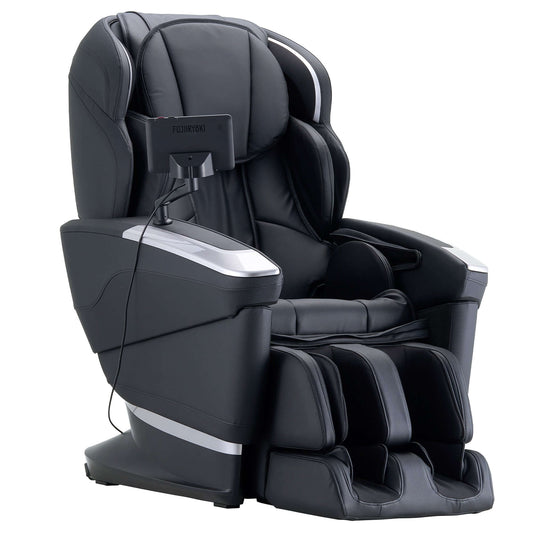
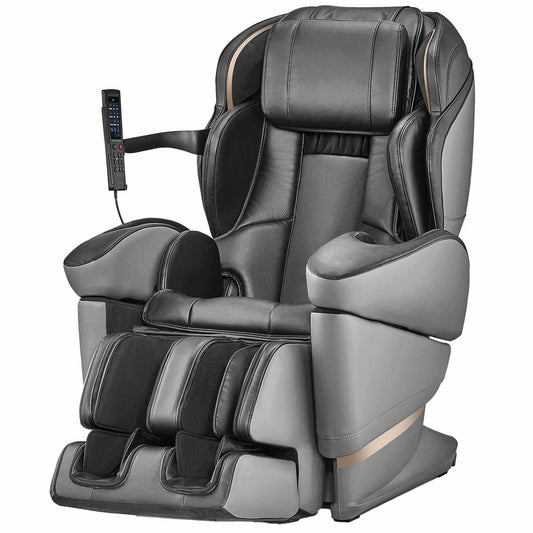
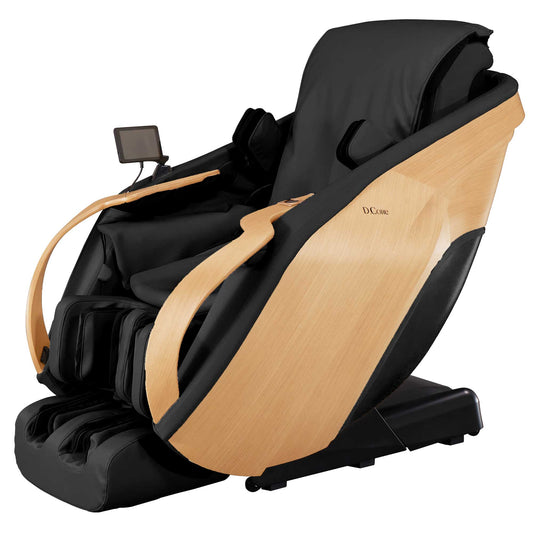
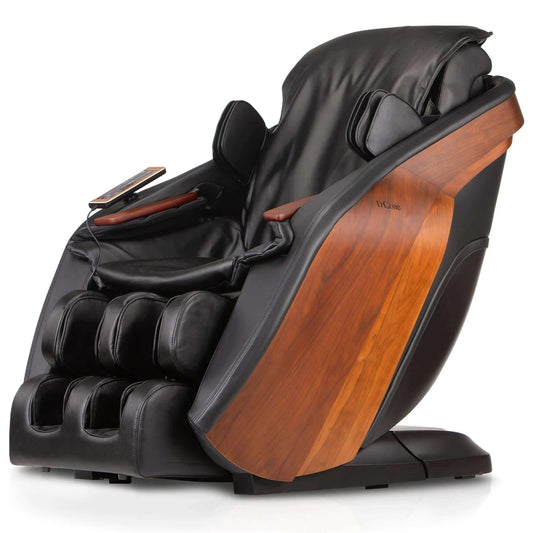
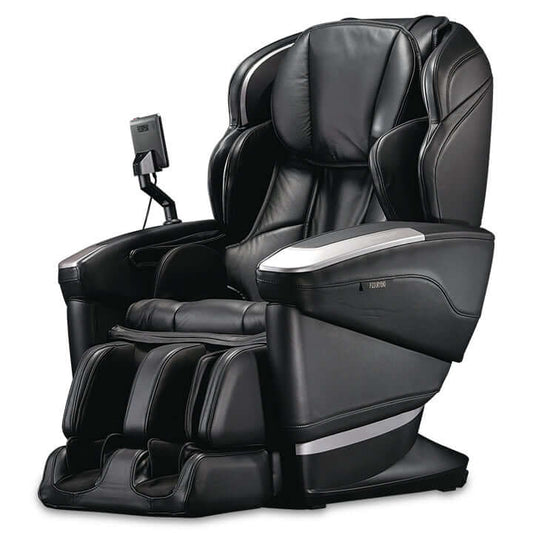

Fujiiryoki Massage Chairs: Techniques from Ankle to Head
Introduction: A Deep Dive into a Presentation-Format Approach for Comprehensive Recovery
This article expands on a presentation-format breakdown of Fujiiryoki massage chairs, designed to map targeted techniques to every body part from ankle to head. By organizing Swedish, Shiatsu, Deep Tissue, Reflexology, Acupressure, and Kneading into clear sequences, readers can envision how each technique supports blood flow, pain relief, and accelerated recovery across the whole body. The goal is to translate complex chair technology into actionable, repeatable routines that optimize comfort, safety, and outcomes.
Why a Presentation-Format Matters for Ankle to Head Recovery
Traditional chair programs can feel scattered. A presentation-format approach stitches techniques into coherent journeys that progress from warmup to deep work, then culminate in a cooldown. This structure helps with adherence, tracking progress, and ensuring no body area is neglected. In Fujiiryoki chairs, programmable sequences and adaptive pressure create a reliable canvas for these journeys.
Core Techniques in Focus: An Expanded View
Each technique is explained with its role, typical outcomes, and how Fujiiryoki hardware delivers the experience. The emphasis is on practical, repeatable patterns you can implement in daily recovery or during post-workout sessions.
Swedish Massage
Swedish massage uses long, gliding strokes, light-to-moderate pressure, and broad coverage to warm tissues and prepare the body for deeper work. Fujiiryoki chairs replicate this through broad roller pathways, adjustable speed, and customizable intensity that respects comfort thresholds.
- Targeted parts: Back, Shoulders, Neck, Arms, Hands, Legs, Ankles
- Delivery in the chair: Gradual effleurage, light-to-moderate pressure, wider reach
- Benefits: Enhanced circulation, relaxation, reduced muscle tension, priming for deeper sessions
- Ideal sequence: 5–12 minutes to awaken tissues, followed by targeted work on tight zones
Deep Tissue Massage
Deep tissue work targets deeper muscle layers and connective tissue. Fujiiryoki systems employ slower, focused rollers and programmable patterns to deliver deeper work while maintaining comfort via adjustable intensity and optional heat therapy.
- Targeted parts: Back, Neck, Shoulders, Calves, Thighs, Hamstrings
- Delivery: Slow, concentrated pressure along muscle fibers
- Benefits: Release of chronic stiffness, improvement in range of motion, support for recovery from overload
- Best practices: Start with Swedish to warm tissues, then progress to deeper sequences as tolerance allows
Trigger Point Massage
Trigger points cause localized and referred pain. The Fujiiryoki presentation-format addresses knots with precise, intermittent pressure and release, enabling rapid deactivation of hyperirritable spots.
- Targeted parts: Back, Neck, Calves, Hamstrings, Glutes, Shoulders
- Delivery: Focused pressure on known knots with micro-releases
- Benefits: Reduced local pain, faster muscle relaxation, improved function
- Tips: Pair with breathing cues to enhance tissue release
Acupressure
Acupressure inspired sequences in these chairs simulate point-specific stimulation along energy channels. Calibrated zones deliver steady, localized pressure to support circulation, energy balance, and tissue nourishment.
- Targeted parts: Feet, Hands, Head, Neck, Shoulders, Back
- Delivery: Consistent, point-focused pressure patterns
- Benefits: Improved microcirculation, stress relief, enhanced recovery signals
- Notes: Works well with heat or cold therapy options for synergistic effects
Shiatsu Massage
Shiatsu programs emulate finger-pressure along energy pathways with vertical and lateral pressure. Fujiiryoki devices deliver systematic sequences that run along the spine and limbs, combining rolling, kneading, and precise point work.
- Targeted parts: Spine along Back, Neck, Shoulders, Hips, Legs
- Delivery: Rhythmic, finger-pressure-like paths with supporting rolling and kneading
- Benefits: Deep relaxation, improved spinal alignment, release of sustained muscle tension
- Optimization: Synchronize with breathing and posture-aware adjustments
Reflexology
Reflexology maps zones on the feet and hands to broader body systems. When integrated into Fujiiryoki chairs, reflex patterns activate through pedal and hand stimulation, promoting circulation and systemic balance.
- Targeted parts: Feet, Ankles, Hands, Wrists
- Delivery: Precise foot and hand stimulation with adaptive pressure
- Benefits: Improved distal circulation, reduced fatigue, mood enhancement, accelerated recovery signals
- Implementation note: Combine with light stretching for a complete cycle
Kneading
Kneading mimics therapist-like circular compression to loosen soft tissue and relieve stiffness. Fujiiryoki kneading sequences traverse major muscle groups with smooth, continuous motion that travels with fiber directions.
- Targeted parts: Back, Shoulders, Neck, Legs, Calves
- Delivery: Repetitive circular compression across muscle fibers
- Benefits: Improved tissue mobility, reduced soreness, enhanced joint comfort
- Tips: Alternate kneading intensity to prevent fatigue while maintaining effectiveness
Expanding the Targeted Body Parts Map
Beyond the core list, a comprehensive program recognizes interconnections across the body. Fujiiryoki chairs can tailor sequences to a broad map of zones, ensuring both extremities and centerline receive balanced attention.
- Ankle, Heel, Achilles
- Calf, Shin
- Knee, Thigh
- Hip, Glute
- Back (Upper, Mid, Lower), Spine
- Neck, Shoulders, Clavicle
- Arms, Forearm, Elbow
- Hands, Fingers, Wrists
- Chest, Rib cage, Abdomen
- Head, Scalp, Face
- Whole Body coverage for holistic balance
Targeted Body Parts for Each Technique: Practical Mapping
This section provides a practical mapping to help you design your own routines. The aim is to ensure no major region is overlooked while maintaining therapeutic progression.
- Swedish: Back, Shoulders, Neck, Arms, Legs, Ankles
- Deep Tissue: Back, Neck, Shoulders, Calves, Thighs
- Trigger Point: Back, Neck, Calves, Hamstrings, Glutes, Shoulders
- Acupressure: Feet, Hands, Head, Neck, Shoulders, Back
- Shiatsu: Spine, Back, Neck, Shoulders, Hips, Legs
- Reflexology: Feet, Ankles, Hands, Wrists
- Kneading: Back, Shoulders, Neck, Legs, Calves
Comprehensive Benefits: How These Techniques Translate to Real-World Gains
Fujiiryoki chairs deliver a spectrum of benefits that map directly to recent research and clinical practice. The presentation-format breakdown clarifies how each technique contributes to specific outcomes.
- Blood Flow and Circulation: Enhances microcirculation in distal tissues and central pathways
- Fatigue Relief: Reduces perceived exertion after activity
- Flexibility and Range of Motion: Maintains tissue pliability across joints
- Injury Recovery: Supports tissue remodeling and recovery timelines
- Muscle Therapy: Addresses stiffness, soreness, and muscular imbalances
- Pain Relief: Attenuates acute and chronic pain signals
- Spine Alignment: Encourages posture-friendly alignments through targeted work
- Stress and Sleep: Lowers sympathetic activation, improves sleep quality
- Tissue Therapy: Nourishes connective tissue and fascia
Design Principles Behind the Fujiiryoki Presentation Format
The chair’s software and hardware are engineered to support a layered approach: warmup, targeted deep work, and cooldown. The presentation format helps practitioners, athletes, and everyday users orchestrate these layers with clarity and repeatability.
How to Build a Recovery Protocol: Step-by-Step Templates
Use these templates as starting points. Adjust based on fitness level, recovery needs, and comfort thresholds. The aim is consistency, not intensity at the expense of safety.
- Starter Protocol: 15–20 minutes total, Swedish warmup followed by light kneading on back and shoulders, cooldown with gentle brushing
- Balanced Full-Body Protocol: 25–40 minutes, alternating Swedish, kneading, and light trigger-point work across major zones
- Deep Recovery Session: 40–60 minutes, deeper tissue work with heat, then reflexology patterns on feet and hands
- Injury- or Overtraining-Focused Protocol: Tailored sequence emphasizing back and legs, with cautious intensity and more cooldown
Presets vs. Customization: Getting the Most from Your Chair
Fujiiryoki chairs offer a variety of presets designed for general wellness, sports recovery, and targeted therapy. Customization allows you to compose your own sequence by selecting technique, intensity, zone coverage, duration, and heat levels. A well-crafted routine blends several techniques to create a balanced, repeatable experience.
Practical Setup for Optimal Results
Small adjustments can unlock big gains. Consider these practical tips to maximize the benefits of the presentation format.
- Chair position: Maintain a neutral spine with feet supported and hips elevated as needed
- Breathing: Coordinate slow, diaphragmatic breaths with deeper segments
- Hydration: Drink water before and after sessions to support tissue perfusion
- Sequence pacing: Move from light to deeper work, then cool down
- Temperature: Use heat selectively to enhance tissue pliability and diffusion of nutrients
Safety, Precautions, and Contraindications
While massage chairs offer many benefits, certain conditions require caution. Always consult with a healthcare professional if you have acute injuries, surgery, or medical concerns before beginning new massage routines.
- Acute injuries or open wounds
- Severe osteoporosis or bone fragility
- Pain that worsens with massage or heat
- Pregnancy considerations in certain trimesters
- Circulatory or clotting disorders without medical clearance
- Cardiovascular conditions requiring physician supervision
Maintenance and Longevity: Keeping Your Fujiiryoki Chair in Peak Form
A well-maintained chair preserves performance and safety. Regular cleaning, filter checks, and software updates keep the presentation-format experience reliable over years of use.
- Clean surfaces with non-abrasive cleaners; avoid moisture-sensitive components
- Inspect rollers, airbags, and pads for wear; replace as needed
- Update firmware to access new presets and performance improvements
- Follow manufacturer guidelines for heat function usage and cooldown periods
Case Studies and Real-World Scenarios
Real users report improvements in recovery times, reduced muscle soreness, and better sleep when applying a structured presentation-format routine. The following anonymized scenarios illustrate practical outcomes across different needs:
- Overlooked tightness in the calves improved after a sequence integrating Swedish warmup, trigger points, and reflexology
- Chronic neck tension eased through a daily 30-minute Shiatsu-forward program combining kneading and acupressure points
- Post-run recovery accelerated by a 25-minute deep tissue leg and back session with heat therapy
Glossary: Quick Reference of Techniques and Benefits
For quick recall, here is a concise glossary linking technique names to primary benefits.
- Swedish: Warmth, relaxation, broad coverage
- Deep Tissue: Deep muscle release, stiffness reduction
- Trigger Point: Knot release, localized relief
- Acupressure: Meridian balance, circulation
- Shiatsu: Spinal and limb alignment, tension relief
- Reflexology: Distal circulation, systemic balance
- Kneading: Tissue mobility, soreness reduction
Frequently Asked Questions
These common questions address practical concerns about using Fujiiryoki chairs in a presentation-format recovery plan.
- Can I use the chair every day? Yes, with moderate durations and listening to your body signals
- What if I feel discomfort? Reduce intensity, adjust zones, or switch to Swedish as a warmup
- Should I use heat with every session? Heat can improve tissue pliability but should be used judiciously
- How long before I notice benefits? Many users notice improvements within 2–4 weeks with consistent routines
Conclusion: A Holistic, Flexible Approach to Ankle to Head Wellness
The Fujiiryoki presentation-format breakdown provides a comprehensive framework for leveraging Swedish, Shiatsu, Deep Tissue, Reflexology, Acupressure, and Kneading across every body part. By focusing on ankle to head and mapping techniques to precise zones, users can boost blood flow, relieve pain, and accelerate recovery through thoughtful chair design, programmable sequences, and disciplined practice. This approach makes advanced chair technology accessible, practical, and repeatable for daily well-being and athletic performance alike.
Tags:
Previous
Fujiiryoki Massage Techniques: Targeted Guide for Full-Body Wellness
Next
Fujiiryoki Massage Chairs: Lecture-Style Guide to Swedish, Shiatsu, Deep Tissue, Reflexology for Targeted Ankle-to-Head Wellness