
Fujiiryoki Massage Techniques: Targeted Guide for Full-Body Wellness
Introduction
Welcome to an expanded, presentation-style masterclass on Fujiiryoki massage chairs. This guide takes you through targeted techniques—Swedish, Shiatsu, Deep Tissue, Reflexology, Acupressure and Kneading—and maps them across the full body from ankle to wrist while emphasizing whole-body wellness. Written for practitioners, homeowners, and wellness enthusiasts, this article offers actionable demonstrations, practical tips, and a clear path to integrating chair-based therapy into daily life. Expect a blend of technical detail, real-world application, and SEO-friendly guidance to help educators and buyers alike understand what makes Fujiiryoki a standout in modern massage technology.
Why Fujiiryoki for Targeted Wellness
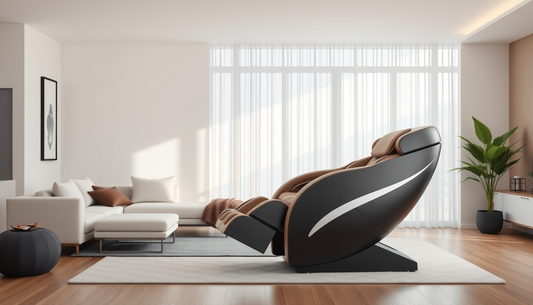
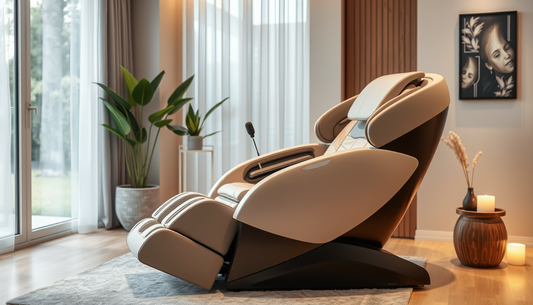
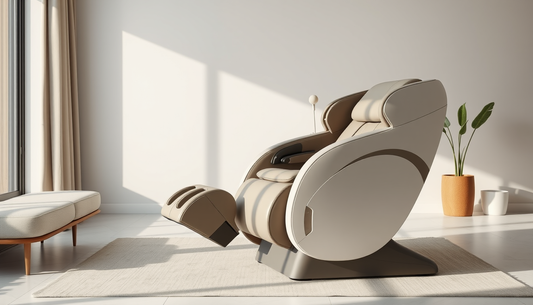
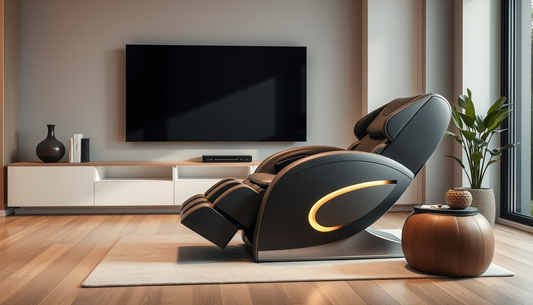
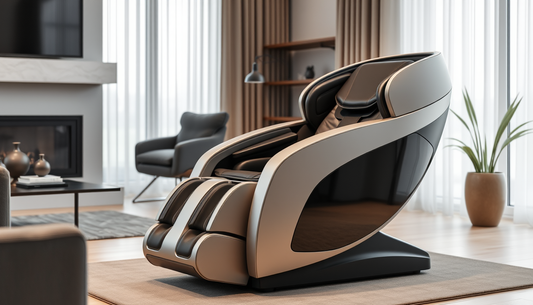
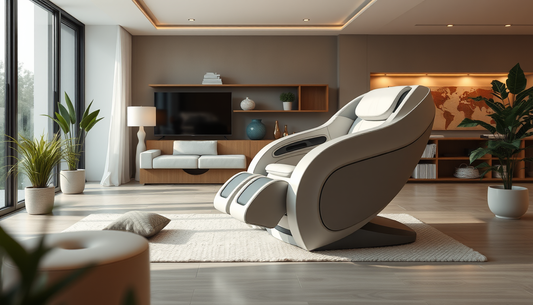
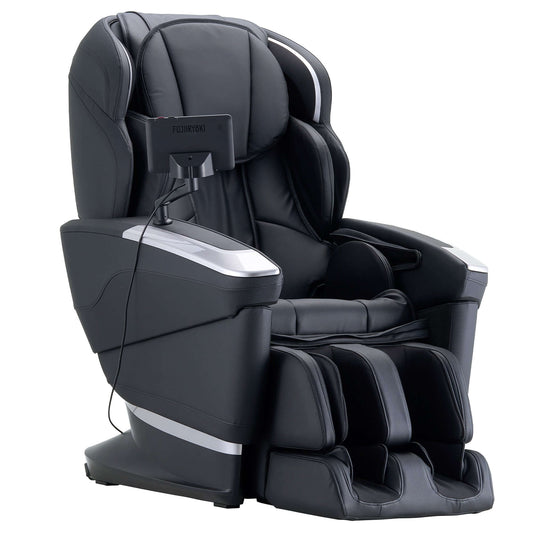
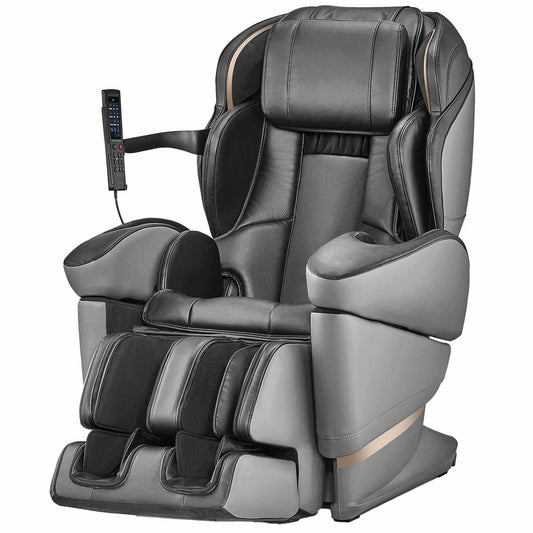
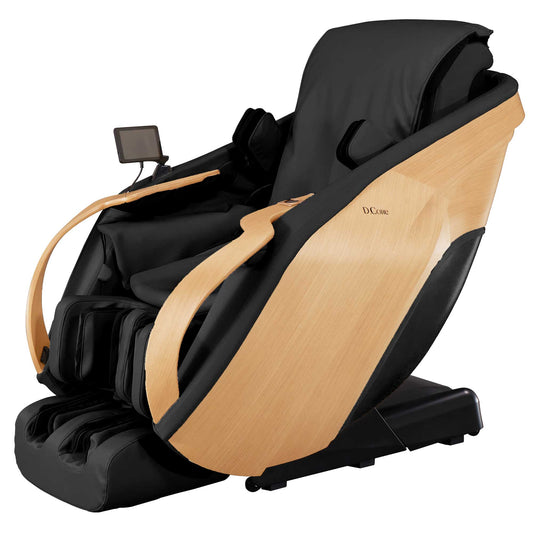
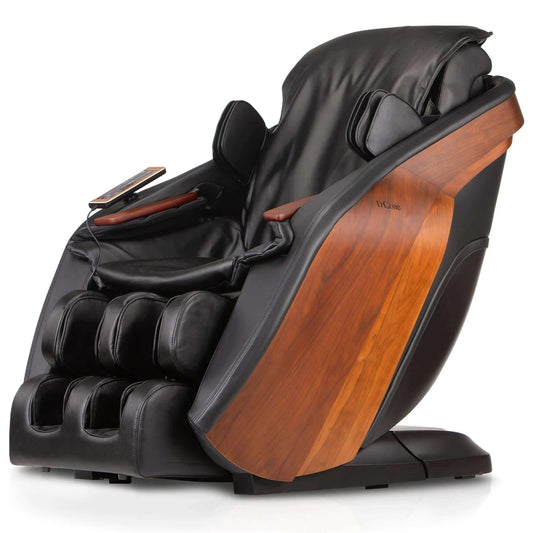
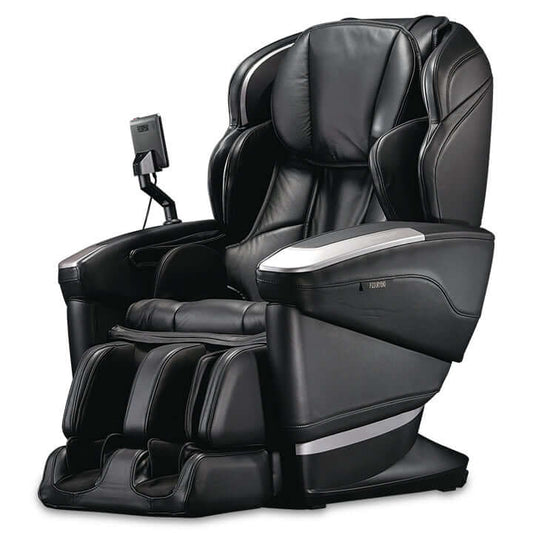
Fujiiryoki chairs combine advanced robotics with ergonomic design and intelligent programming to deliver therapist-level sessions wherever you are. Key strengths include precise pressure control, adaptive heat, individualized stretch patterns, and expansive coverage that can travel from ankles to wrists while maintaining comfort. The result is a portable studio that supports posture, circulation, recovery, and stress relief—core elements of whole-body wellness.
Targeted Body Parts and Techniques: A Detailed Map
Below is a comprehensive mapping of common body regions and the techniques most effective for each zone. The goal is to show how a single Fujiiryoki chair can orchestrate multiple modalities in a cohesive, session-long experience.
- Ankle
- Techniques: Swedish Massage, Kneading, Acupressure, Trigger Point
- Notes: Gentle-to-moderate integration of foot arches and lower leg reflex points to support circulation and ankle mobility.
- Back
- Techniques: Deep Tissue Massage, Shiatsu Massage, Kneading
- Notes: Focus on paraspinal muscles, posture correction, and release of fascia tension along the spine.
- Calf
- Techniques: Swedish Massage, Deep Tissue Massage, Reflexology
- Notes: Combines light effleurage with targeted pressure to assist venous return and calf muscle recovery.
- Feet
- Techniques: Reflexology, Acupressure, Kneading
- Notes: Stimulates key reflex zones to support energy balance and fatigue relief.
- Hands
- Techniques: Swedish Massage, Kneading, Acupressure
- Notes: Gentle hand and forearm work to reduce tension and improve grip strength awareness.
- Head
- Techniques: Shiatsu Massage, Kneading, Reflexology
- Notes: Scalp and neck sequences to ease tension and promote relaxation response.
- Heel
- Techniques: Deep Tissue Massage, Kneading
- Notes: Targeted compression for plantar fascia support and heel pad comfort.
- Knee
- Techniques: Trigger Point Massage, Deep Tissue Massage
- Notes: Safe, light-to-moderate pacing to address kneecap and surrounding musculature.
- Legs
- Techniques: Swedish Massage, Deep Tissue Massage, Kneading
- Notes: Full-limb coverage to support circulatory health and flexibility.
- Neck
- Techniques: Shiatsu Massage, Deep Tissue Massage, Acupressure
- Notes: Focus on suboccipital release and upper shoulder girdle tension.
- Shoulder
- Techniques: Shiatsu Massage, Deep Tissue Massage, Kneading, Trigger Point
- Notes: Comprehensive shoulder mobilization with attention to posture-related strain.
- Thigh
- Techniques: Swedish Massage, Kneading
- Notes: Gentle-to-moderate strokes to support hamstring flexibility and lymphatic flow.
- Whole Body
- Techniques: Integrated sessions combining multiple modalities
- Notes: A holistic approach that sequences Swedish, Shiatsu, Deep Tissue, and Reflexology for total-body wellness.
- Wrist
- Techniques: Reflexology (hand points), Acupressure
- Notes: Focused care that supports nerve function and fatigue relief in the upper extremity.
Technique Profiles: In-Depth Library
Swedish Massage
Swedish is the classic foundation of many chair-based sessions. Fujiiryoki implements long, gliding strokes, kneading, and friction to improve circulation, reduce muscle tension, and promote relaxation. In-chair, you can customize pressure levels, stop points, and duration. The result is a broad, soothing experience for large surface areas such as the back, thighs, and calves.
Deep Tissue Massage
Deep tissue work targets deeper muscle layers and fascia. It helps address chronic tension, postural imbalances, and recovery from minor injuries. In the Fujiiryoki system, deep tissue can be localized with precision, enabling focused relief on the back, neck, shoulders, or legs while protecting surrounding tissues from excessive strain.
Trigger Point Massage
Trigger points are localized hyperirritable spots that can refer pain. The chair applies targeted pressure to these sites to release knots and restore range of motion. This technique is especially effective for persistent neck and shoulder stiffness and hip tension that radiates to adjacent regions.
Acupressure
Acupressure uses sustained, firm pressure along meridian pathways to balance energy flow. Fujiiryoki chairs simulate steady finger pressure, supporting circulation, digestion, and vitality. This modality pairs well with reflexology and kneading to create a harmonized, balanced session.
Shiatsu Massage
Shiatsu relies on finger and palm pressure with rhythmic manipulation to restore energy flow. In chair form, Shiatsu often appears as rolling, kneading, and pressing sequences. Benefits include improved spinal alignment, reduced muscle guarding, and a refreshed sense of posture readiness.
Reflexology
Reflexology targets points on the feet and hands that correspond to other body systems. In Fujiiryoki chairs, reflex point stimulation is delivered with controlled pressure and pacing, supporting fatigue relief, circulation, and nervous system balance across the entire body.
Kneading
Kneading mimics the massage therapist’s hands with circular pressing and lifting motions. It’s versatile for large muscle groups, including the calves, thighs, back, and shoulders. Kneading promotes tissue pliability, helps relieve muscle knots, and supports overall mobility.
Massage Benefits: Depth and Scope
- Blood Flow Control
- Fatigue Relief
- Flexibility Improvement
- Injury Recovery
- Muscle Therapy
- Pain Relief
- Spine Alignment
- Stress Relief
- Tissue Therapy
Execution Tips for a Presentation-Style Masterclass
- Structure sessions like talks: opening, body segments, closing reflection, and a Q&A.
- Incorporate visuals, live demonstrations, and annotated diagrams that map techniques to body parts.
- Coordinate guided breathing and tempo pacing to enhance relaxation and audience engagement.
- Encourage audience interaction and questions to tailor demonstrations to real-world needs.
- Close with actionable takeaways and a plan to integrate Fujiiryoki sessions into daily routines.
Speaker Notes and Slide Deck Prompts
For educators, consider a slide deck that follows this structure: 1) Overview of Fujiiryoki capabilities, 2) Body parts map, 3) Technique profiles, 4) Benefits in daily life, 5) Safety and maintenance, 6) Live demo prompts and troubleshooting tips. Use speaker notes to cue breath work, tempo shifts, and audience prompts such as “Which area feels most ready for release?”
Case Studies and Use Scenarios
Case studies illustrate how these techniques translate into tangible outcomes. The examples below show how targeted chair sessions can address common concerns:
- Post-Workout Leg Recovery: A 30-minute session focusing on calves and quads using Swedish and Kneading, followed by Reflexology to promote recovery and reduce delayed-onset muscle soreness.
- Desk-Job Tension: A 20-minute upper-body sequence with Neck, Shoulders and Back emphasis using Shiatsu and Deep Tissue work, complemented by Acupressure to calm the nervous system.
- Chronic Low Back Stiffness: A 25-minute Deep Tissue-leaning routine, integrated with Trigger Point release and Gentle Swedish to restore range of motion without provoking discomfort.
Quick Start Routine: A 20-Minute At-Home Session
- Warm-up: Light Swedish on the back and calves for 3 minutes.
- Targeted Work: Deep Tissue on the back and neck for 6 minutes; switch to Trigger Point on persistent knot areas for 4 minutes.
- Reflexography Sync: 3 minutes of Reflexology for feet and hands to boost circulation.
- Cool Down: Gentle Kneading and Acupressure for 4 minutes; finish with slow, deep breathing.
Maintenance, Safety, and Setup
To maximize safety and effectiveness, follow these guidelines:
- Consult your physician if you have an acute injury, surgical recovery, or a known spine condition before starting chair-based therapy.
- Use appropriate pressure settings; start low and gradually increase as comfort and tolerance allow.
- Keep the chair’s cushions clean and dry. Follow manufacturer guidelines for any heat or vibration features.
- Avoid prolonged sessions in a single stretch; mix modalities and listen to your body’s signals.
FAQ: Common Questions About Fujiiryoki Masterclass Sessions
- Can I customize every session to target different body parts?
- Yes. Fujiiryoki chairs provide programmable profiles so you can tailor pressure, tempo, and brush patterns by body region and technique.
- Is chair therapy safe after an injury?
- Most people can benefit, but if you have acute injuries or medical conditions, consult a healthcare professional before using advanced settings.
- How long should a typical session last for novices?
- 20–30 minutes is a good starting window, then you can increase duration as comfort and confidence grow.
Conclusion
Fujiiryoki massage chairs transform complex, therapist-led techniques into accessible, home-based sessions that span ankle to wrist and support whole-body wellness. This comprehensive masterclass presented a structured, presentation-style approach to Swed ish, Shiatsu, Deep Tissue, Reflexology, Acupressure, and Kneading, and demonstrated how these modalities can be orchestrated to improve circulation, relieve fatigue, enhance flexibility, support injury recovery, and promote stress relief. Whether you are a clinician, a wellness educator, or a curious consumer, the Fujiiryoki chair stands as a versatile tool for ongoing mobility, balance and vitality. Consider hosting your own demonstration to explore the chair’s potential and begin a sustained, at-home wellness routine today.
Tags:
Previous
Fujiiryoki Massage Chairs: A Guide to Targeted Techniques for Wellness
Next
Fujiiryoki Massage Chairs: Techniques from Ankle to Head