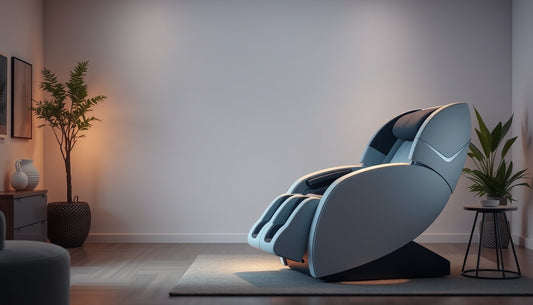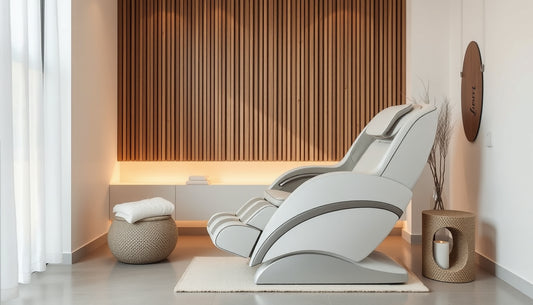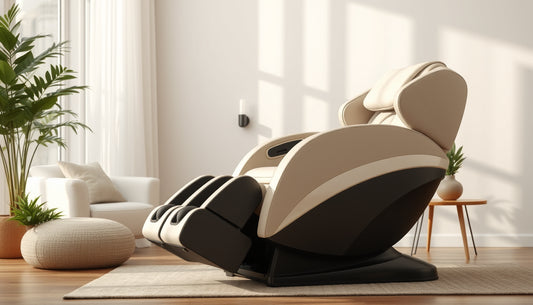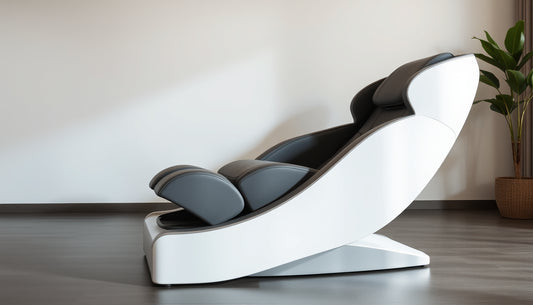
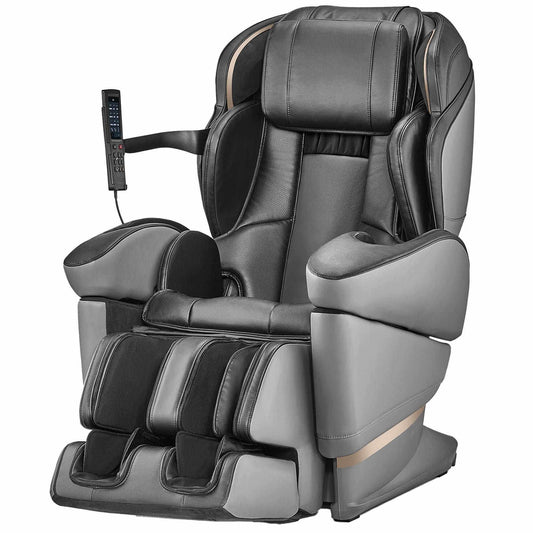
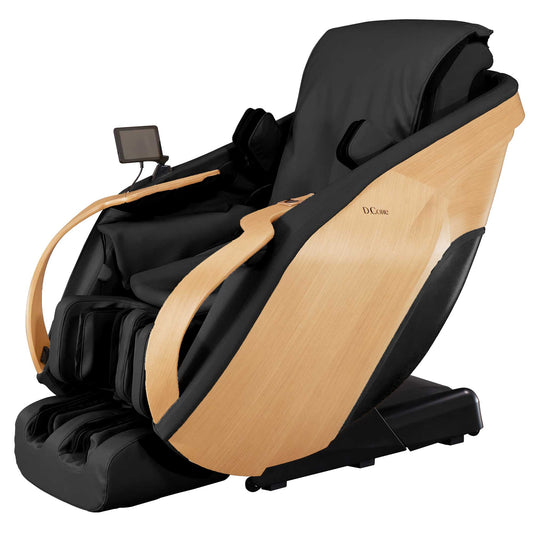
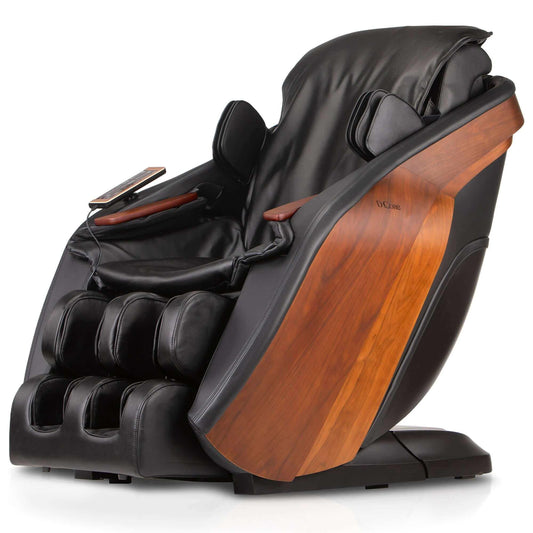

Fujiiryoki Massage Chairs: A Practitioner’s Presentation on Body-Part Specific Techniques and Real-World Wellness Benefits
This practitioner’s presentation delves into Fujiiryoki massage chairs as a clinic-grade tool for targeted body-part therapy and whole-body wellness. The goal is to translate chair-based massage into evidence-informed care concepts that therapists, clinicians, athletes, and everyday users can apply. By aligning massage techniques with specific anatomical regions and real-world benefits, we outline a practical, science-informed framework for maximizing comfort, function, and recovery through chair sessions.
Technology, Methodology, and Therapeutic Rationale
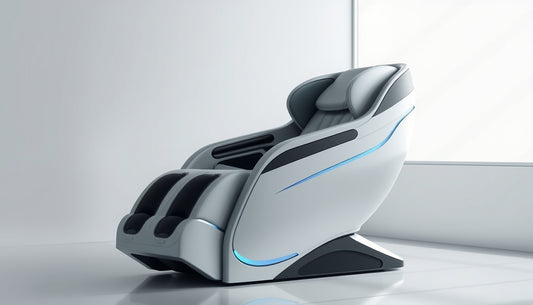
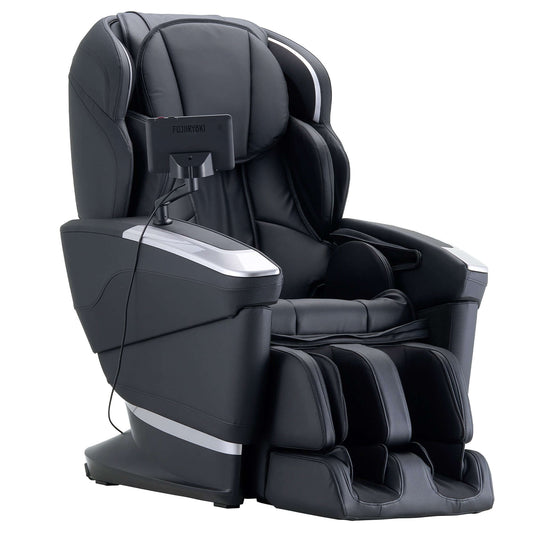
Fujiiryoki massage chairs combine adaptive scanning, multi-dimensional rollers, air compression, heat, and programmable sequences to create repeatable, body-aware sessions. Core elements include:
- Intelligent body scanning that maps contours, pressure tolerances, and tissue density to align rollers and airbags with anatomy
- Dynamic rollers and kneading modules that replicate Swedish, deep-tissue, and kneading strokes with adjustable depth
- Airbags and compression patterns designed to enhance venous return, lymphatic drainage, and tissue hydration
- Heat therapy and controlled temperature to promote muscle pliability and blood flow
- Extensive programmability for duration, intensity, and sequence to support clinical-style sessions
From a practitioner’s lens, these capabilities enable targeted, repeatable interventions that map directly to the body parts and techniques listed in clinical guidelines for soft-tissue care and rehabilitation.
Ankle
The ankle is the critical hinge between the foot and leg, influencing gait, stability, and distal vascular return. Chair work targets the distal tibia, the Achilles region, and the plantar fascia to support mobility and tissue health.
- Applicable techniques: Swedish Massage, Deep Tissue Massage, Trigger Point Massage, Acupressure, Shiatsu Massage, Reflexology, Kneading
- Benefits: Blood Flow Control, Fatigue Relief, Flexibility Improvement, Injury Recovery, Muscle Therapy, Pain Relief, Tissue Therapy
Practical protocol: Begin with calf and ankle prep to optimize venous return, then integrate plantar fascia-focused patterns to align tissue mechanics with the kinetic chain.
Back
The back houses large muscle groups essential for posture and movement. Chair programs here emphasize long, gliding strokes and targeted deep-tissue work to decompress facets, release trigger points, and improve spinal mechanics.
- Applicable techniques: Swedish Massage, Deep Tissue Massage, Trigger Point Massage, Acupressure, Shiatsu Massage
- Benefits: Blood Flow Control, Fatigue Relief, Flexibility Improvement, Injury Recovery, Muscle Therapy, Pain Relief, Spine Alignment, Stress Relief, Tissue Therapy
Clinical note: Integrate back work with core activation and mindful breathing to reinforce posture-improving outcomes and reduce recurrence of low-back discomfort.
Calf
The calves power propulsion and assist venous return. Targeted calf work improves circulation, reduces stiffness, and supports ankle mechanics through coordinated kneading and compression.
- Applicable techniques: Swedish Massage, Deep Tissue Massage, Kneading, Trigger Point Massage, Reflexology
- Benefits: Blood Flow Control, Fatigue Relief, Flexibility Improvement, Injury Recovery, Muscle Therapy, Pain Relief, Tissue Therapy
Clinical insight: Calf work often amplifies leg comfort when paired with ankle and foot sequences, particularly after endurance activities.
Feet
The feet house a complex architecture of muscles, fascia, and joints that influence balance and gait. Foot work blends reflexology-inspired patterns with soothing kneading to refresh weary feet and reinforce proprioception.
- Applicable techniques: Swedish Massage, Deep Tissue Massage, Trigger Point Massage, Reflexology, Acupressure
- Benefits: Blood Flow Control, Fatigue Relief, Pain Relief, Tissue Therapy, Stress Relief
Clinical tip: Pair foot work with ankle and calf protocols to support the plantar fascia and improve long-term foot function.
Hands
Hand and wrist health supports daily function and manual tasks. Chair-delivered palm and finger work addresses repetitive-use strains, grip fatigue, and regional tension from sports and occupation.
- Applicable techniques: Swedish Massage, Deep Tissue Massage, Kneading, Shiatsu Massage, Trigger Point Massage
- Benefits: Blood Flow Control, Fatigue Relief, Tissue Therapy, Pain Relief, Stress Relief
Clinical note: Follow hand-focused sessions with forearm and shoulder work to prevent compensatory postures and improve overall upper-extremity mechanics.
Head
Head-area work targets scalp tenderness, occipital tension, and secondary neck-posture influences. Gentle, rhythmic strokes with targeted acupressure can alleviate daily stress and enhance relaxation responses.
- Applicable techniques: Swedish Massage, Shiatsu Massage, Acupressure, Kneading
- Benefits: Stress Relief, Blood Flow Control, Pain Relief, Tissue Therapy
Clinical note: Integrate head work with neck and upper back protocols to protect cervical safety and optimize tension release.
Heel
The heel bears significant load and is a common site for plantar fascia tension and heel pain. Targeted heel work can reduce midfoot strain and support arch stability through precise contact and tissue mobilization.
- Applicable techniques: Swedish Massage, Deep Tissue Massage, Trigger Point Massage, Reflexology, Acupressure
- Benefits: Blood Flow Control, Fatigue Relief, Flexibility Improvement, Pain Relief, Tissue Therapy
Clinical context: Heel care benefits from preceding calf and foot work to maintain a balanced kinetic chain and improve propulsion dynamics.
Knee
The knee functions as a hinge connecting thigh and shin tissues. Chair-based protocols emphasize quad and hamstring engagement, patellar alignment, and-periarticular soft tissue work to support mobility and stability.
- Applicable techniques: Swedish Massage, Deep Tissue Massage, Trigger Point Massage, Kneading, Acupressure
- Benefits: Blood Flow Control, Injury Recovery, Flexibility Improvement, Pain Relief, Tissue Therapy
Clinical context: Synchronize thigh, calf, and knee work to enhance knee comfort during walking, running, and squatting patterns.
Thigh
The thigh houses major muscle groups (quadriceps and hamstrings) essential for propulsion and knee control. Thigh-focused chair work blends deep tissue patterns with longer strokes to ease tension and improve range of motion.
- Applicable techniques: Swedish Massage, Deep Tissue Massage, Trigger Point Massage, Kneading
- Benefits: Blood Flow Control, Fatigue Relief, Flexibility Improvement, Injury Recovery, Muscle Therapy, Pain Relief, Tissue Therapy
Clinical tip: Coordinate thigh work with hip and knee alignment cues for comprehensive leg wellness and improved athletic performance.
Legs
Legs encompass the entire lower limb from hips to ankles. A holistic leg sequence engages anterior and posterior chains to support circulation, reduce soreness, and promote tissue health across the limb.
- Applicable techniques: Swedish Massage, Deep Tissue Massage, Trigger Point Massage, Shiatsu Massage, Reflexology
- Benefits: Blood Flow Control, Fatigue Relief, Flexibility Improvement, Injury Recovery, Muscle Therapy, Pain Relief, Spine Alignment, Tissue Therapy
Clinical perspective: A well-rounded leg program reinforces core support, enhances recovery timelines, and may support athletic performance improvements.
Neck
The neck bears substantial postural load and connects the head to the torso. Work here focuses on releasing muscular strain from daily posture, screen time, and stress while preserving cervical safety.
- Applicable techniques: Swedish Massage, Deep Tissue Massage, Shiatsu Massage, Trigger Point Massage, Acupressure
- Benefits: Blood Flow Control, Stress Relief, Pain Relief, Tissue Therapy
Clinical note: Pace neck work with upper back and shoulder protocols to maintain alignment and prevent hyperextension injuries.
Shoulder
The shoulder complex enables wide ranges of motion but is prone to overuse and tension. Chair-based work can address lateral and posterior shoulder regions to loosen scapular mechanics, improve posture, and reduce trigger points in upper trapezius and rhomboids.
- Applicable techniques: Swedish Massage, Deep Tissue Massage, Trigger Point Massage, Shiatsu Massage, Acupressure
- Benefits: Blood Flow Control, Fatigue Relief, Flexibility Improvement, Pain Relief, Stress Relief, Tissue Therapy
Clinical implication: Combine shoulder work with upper back routines for a more complete posture-improvement session and to reduce neck strain.
Whole Body
Whole-body sessions integrate the entire kinetic chain, delivering a balanced, systemic approach that touches multiple regions in a harmonious sequence. These sessions support relaxation, neural health, and improved circulation, while reinforcing healthy movement patterns.
- Applicable techniques: Swedish Massage, Deep Tissue Massage, Trigger Point Massage, Acupressure, Shiatsu Massage, Reflexology, Kneading
- Benefits: Blood Flow Control, Fatigue Relief, Flexibility Improvement, Injury Recovery, Muscle Therapy, Pain Relief, Spine Alignment, Stress Relief, Tissue Therapy
Clinical takeaway: Use whole-body sessions as a recurring wellness habit that complements targeted work and daily mindful movement for sustained benefits.
Wrist
The wrist and forearm connect delicate hand function with forearm strength. Chair-based wrist work can address repetitive strain, carpal tunnel symptoms, and tenderness from daily activities or sports.
- Applicable techniques: Swedish Massage, Deep Tissue Massage, Kneading, Trigger Point Massage, Acupressure
- Benefits: Blood Flow Control, Fatigue Relief, Pain Relief, Tissue Therapy, Stress Relief
Clinical guidance: Integrate wrist work with hand and forearm protocols to maximize functional outcomes for occupations requiring precision grip and repetitive motion.
Below are scalable templates you can adapt to home or clinical settings when using Fujiiryoki chairs. Each sequence begins with a quick safety check, then a body-part focused block, and ends with a restorative unwind.
- Low-intensity recovery sequence: Whole Body warm-up -> Back and Neck -> Shoulders -> Legs -> Hands and Feet, finish with light breathing and a five-minute relaxation protocol.
- Athletic recovery sequence: Calf and Ankle prep -> Thigh and Knee work -> Hamstrings and Quadriceps -> Lower Back release -> Whole Body refresh.
- Chronic tension sequence: Neck and Shoulder emphasis -> Upper Back and Spine alignment -> Hands and Wrists -> Brief Head-scape relaxation -> Gentle Foot and Ankle closure.
Tip: Always tailor intensity to comfort, avoid aggressive pressure over bony areas, and gradually escalate therapy after injury or surgery under professional guidance.
To translate chair-based benefits into lasting outcomes, couple Fujiiryoki sessions with hydration, stretching, and sleep hygiene. The practitioner’s playbook emphasizes two ideas: personalize according to anatomy and activity, and sequence therapies to optimize circulatory, muscular, and nervous system responses. Regular use—whether daily, multiple times per week, or around training cycles—amplifies benefits across the body parts and techniques described.
Safety, Customization, and Real-World Considerations
While Fujiiryoki chairs offer robust capabilities, safety and customization are essential. Always consider medical history, current pain, surgical procedures, and pregnancy status when designing programs. Use the chair’s body-scan to tailor geometry, pressure, and heat, and consult a clinician for personalized guidance when dealing with chronic conditions or complex injuries.
Case Examples: Hypothetical Scenarios for Context
These scenarios illustrate how body-part focused chair therapy can be integrated into real-world wellness plans. They are illustrative and not a substitute for professional medical advice.
- Endurance athlete recovering from a long run uses a calf-first sequence followed by back and hip work to reduce DOMS and restore mobility.
- Office worker with neck and shoulder tension uses a daily 20-minute routine emphasizing neck, shoulders, and upper back to improve posture and reduce headaches.
- Someone with plantar fasciitis employs a combined foot, ankle, and calf protocol with gradual ramp-ups to support tissue healing and arch stability.
Across body parts, Fujiiryoki chairs provide a consistent framework for translating massage concepts into measurable wellness improvements. The practitioner’s view highlights these recurring benefits:
- Enhanced blood flow and tissue perfusion across targeted regions
- Fatigue reduction and improved recovery timelines after athletic or occupational stress
- Improved flexibility and joint range of motion in hips, knees, ankles, and spine
- Muscle therapy and pain relief that support daily function and movement quality
- Stress relief and relaxation responses that can complement sleep quality
- Spine alignment and supportive posture through sequence coordination
- Directed tissue therapy aiding tissue health and proprioception
Fujiiryoki massage chairs offer a robust, science-based platform for body-part specific therapy and holistic wellness. The practitioner’s approach centers on tailoring techniques to anatomy, sequencing interventions to optimize physiological responses, and integrating chair sessions with lifestyle practices for sustainable well-being. For professionals, this means using chair-based therapy as a reliable adjunct to clinical care, rehabilitation protocols, and performance training. For everyday users, it means turning a powerful wellness tool into a consistent habit that supports comfort, mobility, and vitality across the body parts discussed.
Tags:
Previous
Fujiiryoki Massage Chairs: A Presentation-Style Visual Guide to Targeted Techniques (Swedish, Shiatsu, Deep Tissue, Reflexology) and Whole-Body Benefits for Ankle-to-Head Wellness
Next
Fujiiryoki Massage Chair Techniques Explained: A Presentation-Style Guide to Targeted Relief from Ankle to Wrist for Full-Body Wellness