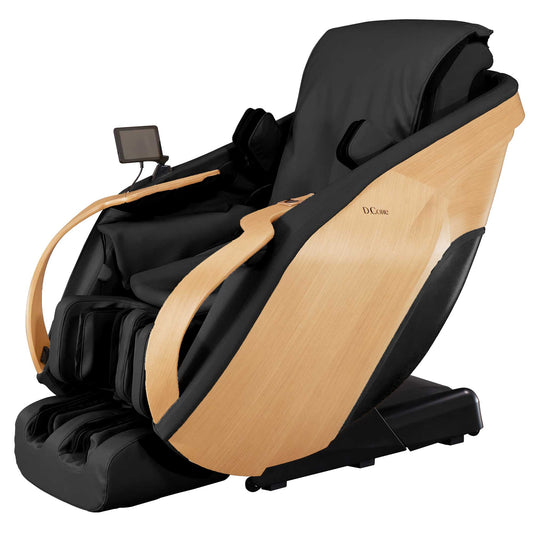
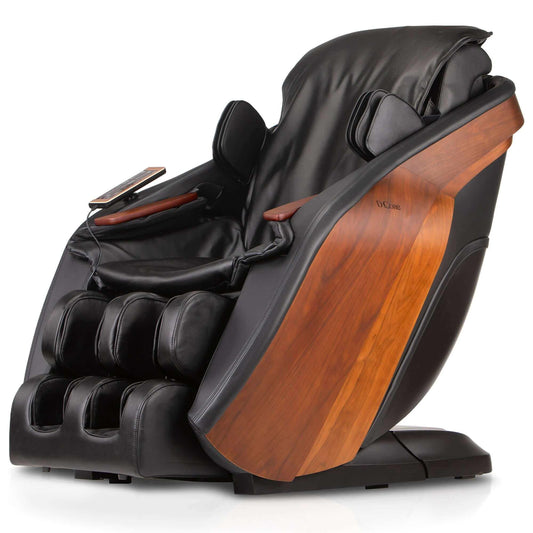

Fujiiryoki Massage Chair Techniques Explained: A Presentation-Style Guide to Targeted Relief from Ankle to Wrist for Full-Body Wellness
Slide 1: Welcome to Your Fujiiryoki Guided Experience
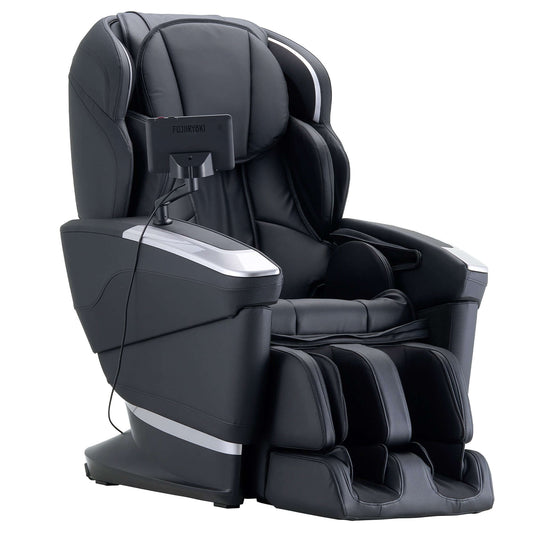
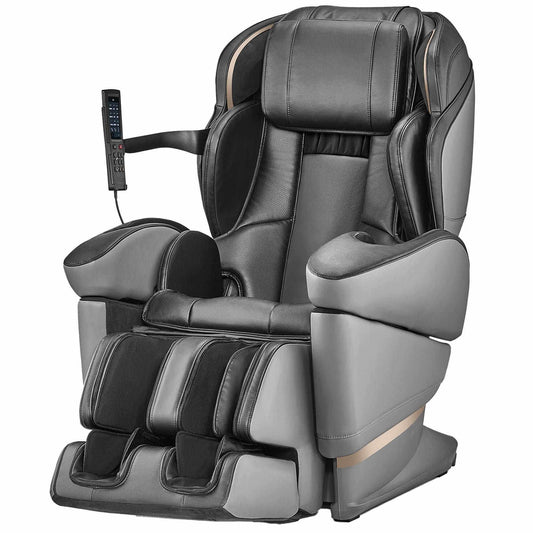
Welcome to a comprehensive, presentation-style guide to Fujiiryoki massage chair techniques and benefits. This resource is designed to help you understand how targeted relief from ankle to wrist contributes to full-body wellness. Written for readers seeking practical, actionable insights in 2026, this guide blends technology, technique, and lifestyle strategies to maximize outcomes with Fujiiryoki chairs.
Slide 2: Why Fujiiryoki Stands Out
- Industry-leading 4D massage technology delivering dynamic roller motion and adaptive pressure
- AI body scan that customizes programs to your unique posture, height, and tension patterns
- Integrated heat therapy and air compression for enhanced relaxation and tissue perfusion
- Extensive library of pre-set programs plus robust manual controls for personalization
Slide 3: Core Technologies Behind Targeted Relief
- 4D Massage: precision, speed, and direction control create nuanced massage experiences across multiple regions.
- AI Body Scan: automatic detection of stiffness and hotspots to tailor program zones.
- Heat Therapy: calibrated warmth improves vasodilation and muscle pliability.
- Air Massage: adaptive airbags provide supportive compression to limbs and joints.
- Zero-Gravity Positioning: minimizes spinal load to amplify comfort and circulation.
Slide 4: Targeted Relief Map — From Ankle to Wrist
Fujiiryoki chairs are designed to cover key body regions with targeted relief. The map below highlights the principal zones addressed during sessions, including the distal regions from ankle to wrist:
- Ankle
- Back
- Calf
- Feet
- Hands
- Head
- Heel
- Knee
- Legs
- Neck
- Shoulder
- Thigh
- Whole Body
- Wrist
Slide 5: Massage Techniques Explained — Part 1
- Swedish Massage — A soothing sequence of long strokes, superficial kneading, and gliding movements designed for relaxation, surface tension relief, and improved circulation. In Fujiiryoki chairs, Swedish strokes often drive broad coverage across the back, arms, and legs to warm tissues before deeper work.
- Deep Tissue Massage — Targets deeper muscle layers to break down adhesions and chronic tension. Chair‑driven deep tissue sequences focus on the back, shoulders, hips, and legs, supporting posture, recovery, and post-workout repair.
- Trigger Point Massage — Identifies and releases tight knots (myofascial trigger points) with precise pressure impulses. This technique excels in the neck, shoulders, and lower back to reduce localized pain and referred tension.
- Acupressure — Applies strategic pressure along energy channels to balance flow and alleviate soreness. In Fujiiryoki systems, acupressure zones frequently map to major reflex pathways in the feet and hands for systemic relief.
- Shiatsu Massage — Uses rhythmic, finger‑like pressure along meridian routes to restore balance and mobility. In these chairs, Shiatsu targets the neck, shoulders, and lower back to release stiffness and promote relaxation.
- Reflexology — Focuses on reflex points in the feet and hands believed to influence distant organs and systems. The chair’s reflex zones can be tuned to support overall wellness and vitality.
- Kneading — Repetitive squeezing and lifting motions to loosen muscle tissue and improve tissue perfusion across large muscle groups such as the thighs, calves, and glutes.
Slide 6: Massage Techniques Explained — Part 2
- Cross‑Fiber Stimulation — A supporting technique that uses direction changes to reduce muscle stiffness and increase range of motion, often integrated with Swedish and kneading routines.
- Compression Strokes — Short, firm pushes that complement circular kneading for enhanced venous return, ideal for calves and thighs during cooldown phases.
- Stretch & Release — Gentle joint mobilization sequences to improve flexibility and shorten recovery time after intense activity.
Slide 7: The Benefits You Can Feel — Expanded
- Blood Flow Regulation and Microcirculation Boost
- Fatigue Reduction and Mental Recovery
- Flexibility Enhancement Across Joints and Soft Tissues
- Injury Recovery Support and Edema Reduction
- Muscle Therapy and Targeted Tissue Repair
- Pain Relief for Acute and Chronic Conditions
- Spine Alignment and Postural Support
- Stress Reduction and Mood Improvement
- Tissue Therapy for Ligaments, Tendons, and Fascia
- Improved Sleep Quality and Relaxation Depth
- Enhanced Immune Readiness via Reduced Sympathetic Load
Slide 8: Targeted Relief by Body Part — Practical Pairings
Use these practical pairings to guide auto programs or manual adjustments on a Fujiiryoki chair. They support ankle to wrist coverage and help you build a repeatable routine:
- Ankle: Swedish Massage followed by light kneading to restore range of motion in ankle joints
- Back: Deep Tissue Massage combined with Shiatsu to address paraspinal tension and posture
- Calf: Kneading with Reflexology to improve muscle relaxation and venous return
- Feet: Reflexology plus Acupressure focused on plantar zones to promote systemic balance
- Hands: Gentle Swedish strokes with Trigger Point care for carpal tunnel risk and tension relief
- Head: Light Shiatsu and acupressure zones to ease scalp and temple tension
- Heel: Deep Tissue with targeted kneading for plantar fascia relief
- Knee: Kneading and Swedish for joint comfort and tissue mobility
- Legs: Full leg sequence blending Swedish, Kneading, and compression for circulation
- Neck: Trigger Point and Shiatsu to ease stiffness and headaches
- Shoulder: Deep Tissue with Swedish balance to reduce trapezius tension
- Thigh: Kneading and Swedish strokes to relax large muscle groups
- Whole Body: Auto programs that blend Swedish, Kneading, Trigger Point, and Reflexology for comprehensive relief
- Wrist: Reflexology and Acupressure to unwind distal tension and improve mobility
Slide 9: Quick Start Guide for Busy Lifestyles
- Choose a comfortable seating position with feet supported, hips slightly above knees, and spine aligned.
- Power on the chair and select an auto program or target specific regions for ankle to wrist coverage.
- Set intensity, speed, and heat to your comfort level; start with gentle settings if new to chair therapy.
- Allow the chair to scan your body and calibrate massage zones based on real‑time measurements.
- Use short sessions (15–20 minutes) to begin; gradually extend to 30–40 minutes as you adapt.
- Hydrate before and after sessions; perform light stretches to prolong benefits.
- Record how you feel after sessions to tailor future programs.
- Incorporate a wind-down routine post‑session to maximize relaxation and recovery.
Slide 10: Safety, Comfort and Maintenance
- Consult with a healthcare professional if you have recent injuries, implants, or medical conditions before usage.
- Avoid use during pregnancy unless approved by your physician.
- Follow the user manual for installation, settings, and firmware updates; keep sensors clean for accurate scans.
- Do not seat in or operate the chair while driving or when behind the wheel of heavy machinery.
- Monitor skin integrity; if irritation occurs, reduce duration or intensity and consult a clinician if needed.
Slide 11: Technology Spotlight — What Makes Fujiiryoki Unique
Beyond the basics, Fujiiryoki combines a rich ecosystem of features that empower long‑term wellness. Expect precise body mapping, adaptive pressure modulation, and intelligent heat and airflow controls that respond to your movement and posture.
- Real‑time pressure adaptation that prevents over‑compression in sensitive regions.
- Dynamic heat distribution that travels with muscle groups to maximize relaxation.
- Quiet, energy‑efficient operation designed for home use and office spaces alike.
- Intuitive interfaces and guided programs that help you progress from relaxation to targeted therapy.
Slide 12: Measuring Progress and Personalization
Track your wellness journey with simple measures to assess impact over time. Consider recording session length, perceived pain levels, sleep quality, and daytime energy. Use chair analytics (where available) to notice trends in stiffness reduction, range of motion, and recovery speed.
Slide 13: Home Setup — Space, Placement, and Ergonomics
To maximize effectiveness and safety, consider room dimensions, power availability, and ventilation. Place the chair on a solid, level surface with enough clearance around all sides for full extension of footrests and armrests. A dedicated plug in a comfortable height reduces strain during usage.
Slide 14: Aftercare — Getting the Most from Each Session
Hydration, gentle stretching, and mindful breathing enhance the benefits of massage therapy with a Fujiiryoki chair. Consider pairing sessions with a short walk, a warm shower, or a cooling down routine to consolidate gains.
Slide 15: Case Studies — Real‑World Scenarios
Case 1: An office professional suffers recurring neck and shoulder tension. After two weeks of daily 20–25 minute sessions focusing on neck, shoulders, and upper back with a mix of Shiatsu and Trigger Point, they report reduced stiffness and improved posture during work.
Case 2: Weekend athlete with tight calves and posterior chain soreness uses a calf‑focused routine with reflexology and kneading. Over four weeks, recovery times shortened and sleep depth improved.
Case 3: Chronic plantar heel pain managed through plantar fascia relief via heel‑focused deep tissue and reflexology, complemented by heat therapy for tissue pliability.
Slide 16: Myths vs Facts — Debunking Common Assumptions
- Myth: Massage chairs replace physical therapy. Fact: They complement professional care by reducing tissue tension and improving circulation between visits.
- Myth: Higher intensity is always better. Fact: Comfort and gradual progression often yield better long‑term results and fewer adverse responses.
- Myth: Any massage tool can fix chronic pain. Fact: Consistency, proper technique, and targeted programs aligned with medical guidance are essential.
Slide 17: Frequently Asked Questions (Expanded)
- Can the Fujiiryoki chair help with chronic pain across multiple regions?
- Is there a setting for gentle relaxation versus intense deep tissue work?
- How long should I use the chair each day or week for optimal results?
- Are there any contraindications I should be aware of if I have implants or hardware?
- How do I update the firmware and maintain the sensors?
Slide 18: Expert Tips for Maximizing Outcomes
- Start with baseline comfort, then gradually increase duration and intensity as your tolerance grows.
- Pair sessions with hydration and light movement to support circulation and lymphatic flow.
- Rotate focus across body regions across sessions to prevent overuse of a single area.
- Keep a simple journal of how you feel after each session to tailor future programs.
Slide 19: Program Customization — Building Your Personal Routine
Use the chair’s library of auto programs as a foundation, then tailor a routine that cycles through ankle to wrist coverage with built‑in warm‑up, peak therapy, and cool‑down phases. Save favorite configurations for quick access during busy days.
Slide 20: Installation, Maintenance, and Long‑Term Care
Regular maintenance keeps performance at peak. Clean sensors as recommended, update firmware when prompted, and store the chair in a temperature‑controlled environment. If any anomaly occurs, contact customer support or a qualified technician rather than attempting self‑repair.
Slide 21: Future Outlook — Evolving Capabilities for Full‑Body Wellness
As Fujiiryoki evolves, expect tighter integration with health data ecosystems, smarter AI to refine personalized programs, and more nuanced tissue care through adaptive z‑axis control. The goal remains clear: deliver targeted relief from ankle to wrist that contributes to overall well‑being and resilience.
Slide 22: Conclusion
By adopting a presentation‑style approach to massage techniques and benefits, you can maximize targeted relief from ankle to wrist while promoting full‑body wellness with Fujiiryoki chairs. Embrace consistent practice, track your progress, and adjust programs based on feedback from your body. In 2026 and beyond, this approach can be a cornerstone of everyday well‑being.
Tags:
Previous
Fujiiryoki Massage Chairs: A Practitioner’s Presentation on Body-Part Specific Techniques and Real-World Wellness Benefits
Next
Fujiiryoki Cyber Relax: A Slide-Deck Style Overview of Targeted Massage Techniques (Swedish, Shiatsu, Deep Tissue, Reflexology) and Body-Part Benefits for Total Wellness