Therapist's Slide Guide: Fujiiryoki Massage Chairs — Mapping Swedish, Deep Tissue, Shiatsu & Reflexology to Ankles, Neck, Back and Whole‑Body Benefits
按摩椅问题

Therapist's Slide Guide: Fujiiryoki Massage Chairs — Mapping Swedish, Deep Tissue, Shiatsu & Reflexology to Ankles, Neck, Back and Whole‑Body Benefits

Introduction

This comprehensive slide-style guide is written for therapists, clinic owners, rehab specialists and informed consumers who want to present, teach or use Fujiiryoki massage chairs clinically and commercially. It expands on technique-to-body mapping, program selection, practical protocols and measurable outcomes for targeted areas including ankle, back, calf, feet, hands, head, heel, knee, legs, neck, shoulder, thigh, whole body and wrist.

Use this guide as a presentation deck, training handout or reference manual to explain how Swedish, Deep Tissue, Trigger Point, Acupressure, Shiatsu, Reflexology and Kneading translate into real physiological and functional benefits when delivered by high-quality Fujiiryoki massage chairs.

How to Use This Guide

  • Slide-style sections are numbered for direct insertion into presentations.
  • Each technique section includes: practical chair settings, target body parts, measurable benefits and speaker notes.
  • Body-part sections provide focused protocols, contraindication flags and session templates you can paste into clinic SOPs.
  • End sections include client intake templates, outcome metrics, maintenance tips and SEO suggestions to help your content rank.

Slide 1 — Why Fujiiryoki for Clinical and Wellness Settings

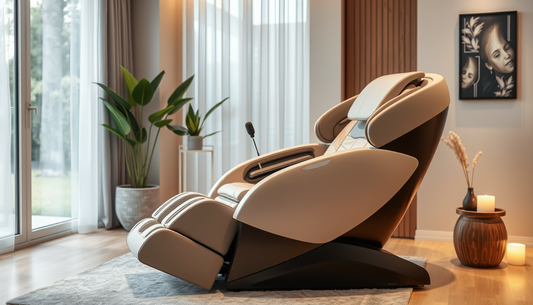
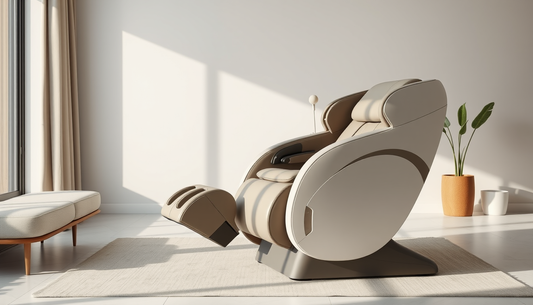
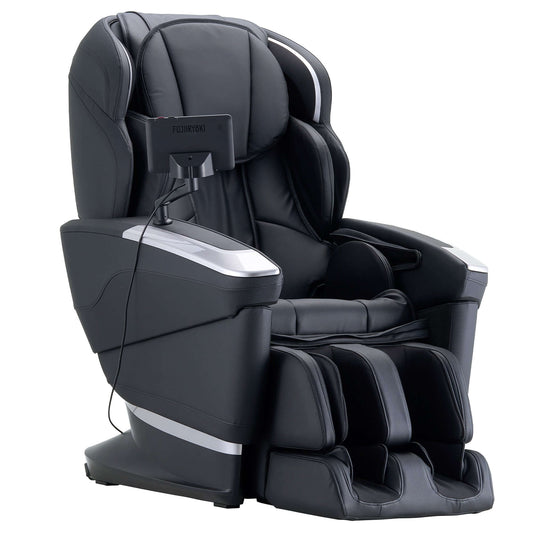
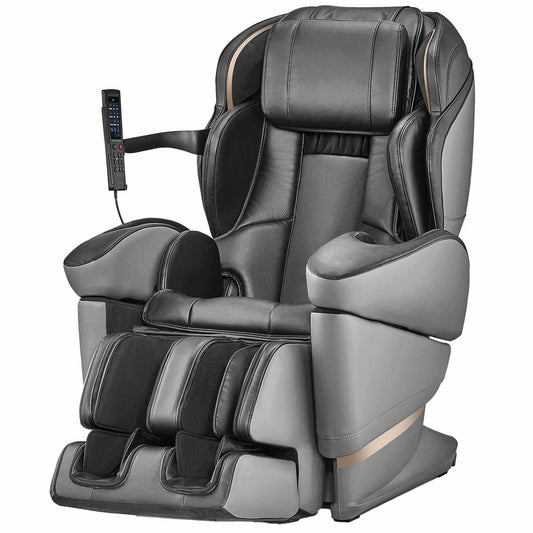
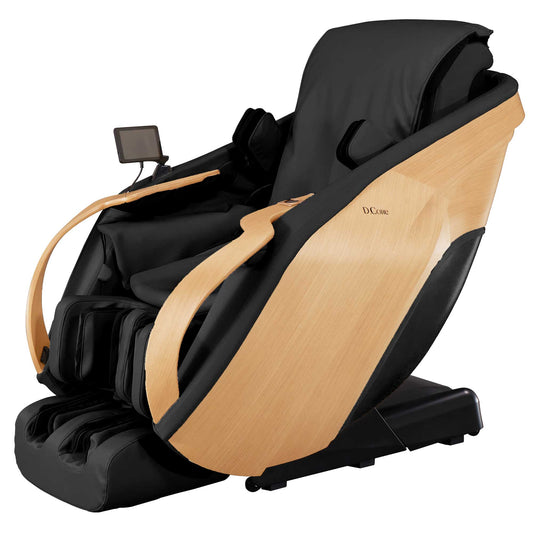
  • Reputation: Fujiiryoki is recognized for ergonomic roller systems, integrated air compression and targeted foot modules that replicate many manual techniques.
  • Clinical utility: Provides repeatable, programmatic treatments that complement manual therapy and allow objective tracking of frequency and intensity.
  • Operational benefits: They reduce practitioner fatigue, increase throughput for maintenance care and enable patient self-management between manual appointments.

Slide 2 — Key Massage Techniques Overview

  • Swedish Massage: long glides, effleurage, light kneading for relaxation and circulation.
  • Deep Tissue Massage: focused, high-pressure work for chronic tightness, fibrosis and restricted fascia.
  • Trigger Point Massage: concentrated pressure on hyperirritable spots to reduce referred pain.
  • Acupressure: pressure at meridian points to modulate autonomic tone and pain perception.
  • Shiatsu Massage: rhythmic pressure along energy lines and spine to promote balance and spinal alignment.
  • Reflexology: pressure and rolling on plantar and palmar zones linked to systemic effects.
  • Kneading: rhythmic squeezing and releasing to increase tissue elasticity and venous return.

Slide 3 — Techniques Mapped to Core Benefits

  • Blood Flow Control: Swedish, Acupressure, Reflexology
  • Fatigue Relief: Reflexology, Swedish, Kneading
  • Flexibility Improvement: Swedish, Kneading, Deep Tissue
  • Injury Recovery Support: Deep Tissue, Trigger Point (with clinical oversight)
  • Muscle Therapy: Deep Tissue, Kneading
  • Pain Relief: Trigger Point, Deep Tissue, Acupressure
  • Spine Alignment: Shiatsu, targeted rolling
  • Stress Relief: Swedish, Shiatsu, Reflexology
  • Tissue Therapy: Kneading, Shiatsu, Deep Tissue

Slide 4 — Fujiiryoki Chair Components and Clinical Significance

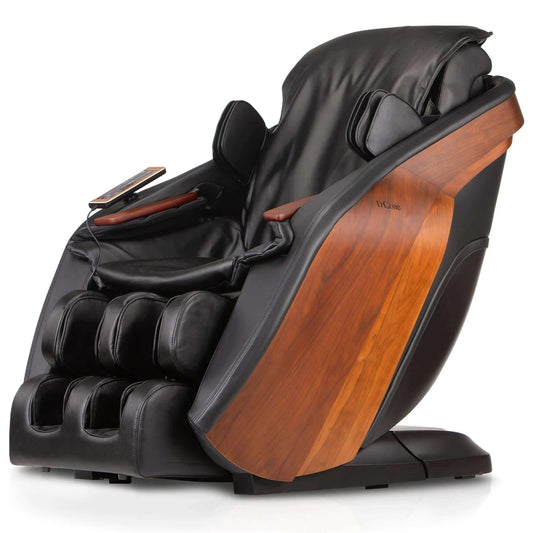
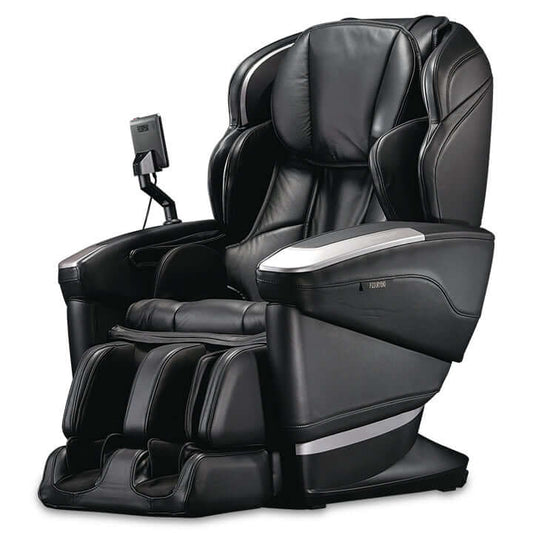
  • Roller track geometry: S-track vs L-track coverage and its role for lumbar to gluteal engagement.
  • Air compression arrays: localized compression on shoulders, arms, hips, calves and feet for edema and venous return.
  • Foot rollers and nodal plates: reflex zone stimulation and plantar tissue mobilization.
  • Heat modules: therapeutic warming to enhance tissue extensibility and comfort for deeper work.
  • Program memory and intensity controls: reproducible treatment dosing across sessions.

Slide 5 — Swedish Massage: Practical Slide and Speaker Notes

  • Clinical intent: induce parasympathetic activation, reduce muscle tone and increase superficial circulation.
  • Targeted body parts: whole body emphasis, neck, shoulders, upper and lower back.
  • Chair settings: low-to-moderate roller speed, long-stroke mode, gentle air compression intervals, low heat.
  • Session length: 15 to 30 minutes depending on desired systemic vs localized effect.
  • Measurement suggestions: pre/post resting heart rate, patient-reported relaxation score (0-10), skin temperature as adjunctive marker.
  • Speaker tip: Begin with a Swedish warm-up sequence to prepare tissues for subsequent deeper techniques.

Slide 6 — Deep Tissue Massage: Practical Slide and Speaker Notes

  • Clinical intent: break down adhesions, reduce chronic hypertonicity and improve range-of-motion.
  • Targeted body parts: lumbar/paraspinal, trapezius/shoulders, gluteal complex, hamstrings and calves.
  • Chair settings: higher intensity, targeted lumbar focus, pulsatile or oscillating deep rhythm, optional heat to enhance pliability.
  • Session length and frequency: 10 to 20 minutes on focused regions; recommended 48–72 hour recovery between high-intensity deep sessions.
  • Outcome metrics: numeric pain rating, ROM goniometry, functional task performance (e.g., sit-to-stand time).
  • Speaker tip: caution with acute inflammation or anticoagulant therapy; always correlate with clinical exam.

Slide 7 — Trigger Point and Spot-Target Work

  • Clinical intent: deactivate myofascial trigger points to reduce local and referred pain.
  • Targeted body parts: upper trapezius, levator scapulae, infraspinatus, glute medius and piriformis patterns.
  • Chair settings: spot-mode, repeated short bursts of firm pressure, localized heat if tolerated.
  • Recommended dosing: 3–5 minute focused work per trigger point followed by 5–10 minute low-intensity recovery.
  • Speaker tip: pair with active release exercises or stretching post-chair to consolidate gains.

Slide 8 — Acupressure and Meridian-Based Patterns

  • Clinical intent: modulate autonomic nervous system and reduce symptom clusters like headaches or digestive symptoms.
  • Targeted body parts: neck, shoulders, dorsal thoracic, internal organ reflex zones via foot modules.
  • Chair settings: rhythmic pressure sequences, alternating bilateral compression and coordinated foot rollers.
  • Outcome tracking: patient symptom diaries, stress questionnaires, PROMIS anxiety scale for longitudinal trends.
  • Speaker tip: frame acupressure as adjunctive to biomedical care; avoid claims of cure for systemic disease.

Slide 9 — Shiatsu: Spinal and Whole-Body Balancing

  • Clinical intent: support spinal alignment, improve postural tone and enhance whole-body balance.
  • Targeted body parts: along paraspinal chains, sacroiliac region, shoulders and hips.
  • Chair settings: alternating bilateral pressure patterns, mid-range roller depth, synchronized air compression for pelvis and torso.
  • Session application: ideal as a full sequenced program (20–30 minutes) for maintenance and stress resilience.
  • Speaker tip: use Shiatsu sequences as an integrative option for clients seeking noninvasive alignment support.

Slide 10 — Reflexology: Translating Foot Work to Systemic Benefits

  • Clinical intent: leverage plantar reflex zones to promote systemic relaxation and circulation improvement.
  • Targeted body parts: feet, heels, ankles, toes, hands in models with arm modules.
  • Chair settings: foot roller speed variations, heel-focused nodal pressure, toe stretch if available.
  • Clinical notes: useful adjunct for fatigue, sleep disturbances and peripheral circulation issues.
  • Measurement: patient-reported sleep quality (PSQI), morning fatigue scales, peripheral skin perfusion as exploratory metric.

Slide 11 — Kneading: Tissue Mobilization and Venous Return

  • Clinical intent: increase tissue compliance, facilitate venous return and reduce stiffness.
  • Targeted body parts: back, shoulders, thighs, calves and plantar fascia via foot modules.
  • Chair settings: cyclical kneading patterns, moderate intensity with intermittent heat.
  • Use case: excellent during cooldown or mixed modality sessions to enhance flexibility.

Slide 12 — Comprehensive Body-Part Protocols

Below are reproducible protocols organized by body region. Each protocol includes recommended chair program, intensity, duration, expected benefits and precautions.

Ankles and Heels Protocol

  • Program: Reflexology + targeted heel compression
  • Intensity: Low to moderate
  • Duration: 8–12 minutes
  • Benefits: reduced plantar tension, improved regional circulation, decreased swelling when combined with elevation
  • Precautions: avoid strong compression with acute thrombosis, severe peripheral arterial disease or open wounds

Feet and Plantar Fascia Protocol

  • Program: Foot rollers + kneading + toe stretch if available
  • Intensity: Moderate
  • Duration: 10–15 minutes
  • Benefits: fatigue relief, decreased plantar pain, improved sleep when performed nightly
  • Precautions: recent foot surgery, ulcers, severe neuropathy

Calves and Lower Leg Protocol

  • Program: Calf compression + kneading
  • Intensity: Moderate
  • Duration: 8–12 minutes
  • Benefits: reduced muscle soreness, improved venous return, enhanced recovery for athletes
  • Precautions: be cautious with acute DVT history or uncontrolled hypertension

Knees and Surrounding Tissue Protocol

  • Program: Gentle acupressure around joint + light kneading of surrounding musculature
  • Intensity: Low
  • Duration: 6–10 minutes
  • Benefits: improved joint mobility, decreased periarticular pain
  • Precautions: recent ligamentous injury, unstable knees, surgical recovery within 6–12 weeks unless cleared

Thighs and Hamstrings Protocol

  • Program: Deep tissue rollers + kneading
  • Intensity: Moderate to high (based on tolerance)
  • Duration: 8–15 minutes
  • Benefits: reduced tightness, improved flexibility and sprint/recovery performance
  • Precautions: acute muscle tears or severe contusions

Hands and Wrists Protocol

  • Program: Arm compression + palmar nodal stimulation where available
  • Intensity: Low to moderate
  • Duration: 5–8 minutes
  • Benefits: reduced repetitive strain fatigue, improved circulation in carpal tunnel syndrome adjunct care
  • Precautions: recent fractures, severe entrapment neuropathies without medical clearance

Neck and Shoulder Rescue Protocol

  • Program: Trigger point spot + shiatsu shoulder pattern
  • Intensity: Moderate with brief high-pressure bursts for trigger points
  • Duration: 10–20 minutes
  • Benefits: reduced tension headache frequency, improved cervical ROM, decreased trapezius hypertonicity
  • Precautions: cervical instability, acute radiculopathy symptoms seek physician clearance

Upper and Lower Back Protocol

  • Program: Deep lumbar focus + shiatsu spinal pattern
  • Intensity: Adjustable from low to high depending on pain type
  • Duration: 15–25 minutes
  • Benefits: pain relief, spine alignment support, improved functional mobility
  • Precautions: recent fractures, active inflammation, advanced osteoporosis without clinician approval

Whole-Body Recovery Sequence

  • Program order: Swedish warm-up (7 min) -> Deep tissue targeted (10 min) -> Foot reflexology and calf recharge (8 min) -> Shiatsu finish (5–10 min)
  • Total duration: 30–40 minutes
  • Benefits: comprehensive stress relief, enhanced lymphatic and venous return, improved sleep and recovery

Slide 13 — Sample Presentation Script for Therapists

  • Opening: 'Today we will explore how Fujiiryoki massage chairs translate manual methods into reproducible programs that support clinical outcomes.'
  • Explain mechanism: 'The track and node geometry simulates hands-on strokes while air compression assists circulation and lymph flow.'
  • Demonstration: Walk audience through a live 10-minute protocol and discuss pre/post metrics live or via recorded data.
  • Close: Provide client takeaway cards with recommended home frequency and red flags to discontinue use.

Slide 14 — Client Intake and Contraindications (Template)

  • Intake checklist items: recent surgeries, pacemaker/implantable devices, pregnancy, history of DVT, severe osteoporosis, active cancer, uncontrolled hypertension, open wounds.
  • Pre-use screening script: 'Have you had surgery in the last 6 months? Are you currently under a physician's care for a cardiac or vascular condition?'
  • Red flags to stop treatment immediately: chest pain, new neurological deficits, severe shortness of breath, acute swelling disproportionate to use.

Slide 15 — Outcome Metrics and Tracking

  • Subjective metrics: Numeric Pain Rating Scale (0-10), Perceived Stress Scale, Sleep Quality Index.
  • Objective metrics: ROM measures, sit-and-reach, timed up-and-go, resting heart rate and blood pressure trends.
  • Documentation cadence: baseline, after 3 treatments, monthly review for chronic conditions.

Slide 16 — Case Studies and Practical Examples

  • Case 1: Chronic low back pain patient. Protocol: 3-week program of twice-weekly deep lumbar + shiatsu finish. Outcome: pain decreased from 7 to 3 on NPRS and improved forward flexion by 15 degrees.
  • Case 2: Office worker with recurring tension headaches. Protocol: neck and shoulder rescue 15 minutes daily for 2 weeks. Outcome: headache frequency reduced from 4/week to 1/week and patient reported improved sleep.
  • Case 3: Runner with calf soreness. Protocol: post-run calf kneading + foot reflex recovery. Outcome: reduction in DOMS and faster return to training intensity in 10 days.

Slide 17 — Troubleshooting Common Issues

  • Client reports increased soreness after session: reduce intensity, add longer cooldown Swedish sequence, follow with light stretching and hydration.
  • Foot roller discomfort: lower roller intensity or perform seated foot-only program without full weight-bearing.
  • Compression too strong for edematous limbs: shorted compression cycles and use intermittent manual elevation.

Slide 18 — Maintenance, Hygiene and Safety of Fujiiryoki Chairs

  • Daily: wipe high-touch surfaces with manufacturer-approved disinfectant; check upholstery for tears.
  • Monthly: inspect roller housing and air bladders for wear, test program memory and intensity ranges.
  • Annual: authorized service check for motor health, roller alignment and electrical safety testing.
  • Hygiene tip: use disposable headrest covers and clean foot modules between clients to reduce infection risk.

Slide 19 — Integrating Chairs into Clinic Workflow

  • Intake + Chair Combo: use the chair as a pre-manual warm-up to increase tissue pliability before hands-on treatment.
  • Recovery Stations: create self-serve recharge slots for maintenance clients between manual appointments to increase revenue per square foot.
  • Documentation: build chair program presets into the electronic medical record for repeatable dosing.

Slide 20 — Program Templates and Printable Client Cards

Provide simple client cards with program name, duration, recommended frequency and home-care notes. Examples:

  • Relax & Reset: Swedish full-back 20 min, 3x/week, avoid after heavy meals.
  • Recover & Release: Deep lumbar focus 15 min, 2–3x/week, consult therapist for acute pain.
  • Leg Refresh: Calf + foot program 12 min, daily after workouts.

Slide 21 — SEO and Content Strategy to Rank for Fujiiryoki Topics

  • Primary keywords: Fujiiryoki massage chair, Fujiiryoki shiatsu, Fujiiryoki review, massage chair benefits, chair-based reflexology.
  • Supporting keywords: Swedish massage chair program, deep tissue massage chair, foot rollers, neck pain massage chair, whole-body massage benefits.
  • Content tactics: publish long-form guides, how-to videos showing chair presets, downloadable protocols, and client testimonial pages with before/after metrics.
  • On-page SEO: use clear H2 headings (as in this guide), include bulleted benefits, and add schema markup for products and FAQs where applicable.

Slide 22 — Frequently Asked Questions (FAQ)

  • Can Fujiiryoki chairs replace manual therapy? Answer: They are powerful adjuncts for repeated, programmatic work but do not replace hands-on clinical reasoning and manual adjustments when indicated.
  • How often should clients use chair programs? Answer: For maintenance, 2–4 times weekly is common; targeted recovery programs can be daily short sessions depending on tolerance and clinical oversight.
  • Are there risks for older adults? Answer: Many elderly clients benefit, but screen for osteoporosis, fragile skin, cardiac devices and cognitive impairment before use.

Slide 23 — Legal and Clinical Disclaimers for Presentations

  • Always include a disclaimer that chair programs do not constitute medical treatment and advise clients with medical conditions to consult their healthcare provider.
  • Recommend written consent or acknowledgement of the chair screening form for each client session for risk management.

Slide 24 — Sample Consent and Screening Form (Copyable)

  • Client name, date, emergency contact
  • Medical history checklist: cardiovascular disease, clotting disorders, diabetes, pregnancy, recent surgery, implants
  • Consent statement: client acknowledges risks, consents to chair therapy, and agrees to inform staff of any adverse symptoms during use

Slide 25 — Long-Form Presentation Appendix: Research Highlights and Evidence Summary

Summarize relevant research literature that supports mechanisms commonly targeted by chair programs without making unfounded clinical claims. Useful topics to cite during training include:

  • Evidence that massage and mechanical stimulation can reduce perceived pain and modulate autonomic activity.
  • Studies showing massage improves range-of-motion and reduces post-exercise soreness when applied appropriately.
  • Research on compression and pneumatic devices improving venous return and reducing leg swelling in non-acute settings.

Speaker tip: always reference peer-reviewed sources appropriate to your jurisdiction and avoid overstating efficacy for complex medical conditions.

Slide 26 — Building a Business Case for Clinic Adoption

  • Revenue streams: add chair-only appointments, chair+manual bundles and membership programs for regular maintenance care.
  • ROI considerations: calculate utilization rate, average revenue per session and incremental revenue from increased client throughput.
  • Marketing: highlight measurable outcomes, use client testimonials and offer 'first-chair' trial discounts.

Slide 27 — Advanced Integration: Multi-Modality Protocol Examples

  • Sports rehab: warm-up with Swedish pattern, post-activity deep tissue on calf/hamstring, finish with foot reflex and compression for recovery.
  • Chronic pain management: alternate days of deep tissue and low-intensity shiatsu to balance tissue remodeling and autonomic regulation.
  • Wellness programming: short daily foot reflex sessions for sleep hygiene and stress reduction before bedtime.

Slide 28 — Patient Education Materials (Copy-Ready Bullet Points)

  • How the chair helps: reduces muscle tension, improves circulation and promotes relaxation.
  • What to expect: some transient soreness after intense sessions; immediate relaxation after Swedish or Shiatsu programs.
  • Home guidance: hydrate, perform prescribed stretches and report unusual pain or swelling.

Conclusion and Next Steps

Fujiiryoki massage chairs are versatile clinical tools that can replicate and augment multiple manual techniques when used intentionally. This expanded slide guide offers detailed protocols, safety screening, outcome tracking and business tactics to integrate chairs into therapeutic practice effectively. Use the slide snippets and printable materials to train staff, inform clients and support measurable therapeutic outcomes across ankle, back, calf, feet, hands, head, heel, knee, legs, neck, shoulder, thigh, whole-body and wrist concerns.

Disclaimer

This guide is educational and intended to support clinical decision-making and client education. It is not a substitute for personalized medical diagnosis or treatment. Clinicians should exercise professional judgment, follow local regulations and consult relevant medical professionals for clients with significant medical conditions.

Resources and Suggested Reading

  • Peer-reviewed articles on massage therapy mechanisms and clinical outcomes (search terms: massage therapy randomized trial pain, compression therapy venous return, reflexology sleep quality).
  • Fujiiryoki product manuals and service bulletins for model-specific maintenance and safety guidance.
  • Local clinical guidelines for the use of mechanical massage devices in rehabilitation settings.

Appendix: Quick Copy-Paste Slide Deck Outline

  • Slide 1: Title and objectives
  • Slide 2: Why Fujiiryoki
  • Slide 3: Techniques overview
  • Slide 4: Chair components
  • Slide 5-11: Technique deep dives (Swedish to Kneading)
  • Slide 12-13: Body-part protocols
  • Slide 14-16: Intake, metrics, case studies
  • Slide 17-19: Troubleshooting, maintenance, workflow
  • Slide 20-27: Business, SEO and advanced protocols
  • Slide 28: Patient education and Q&A
  • Appendix: References, disclaimers and contact info

Use this expanded guide to create a compelling, evidence-aware, SEO-optimized presentation or blog series. Tailor language to your audience, track outcomes to build credibility, and always prioritize client safety when mapping techniques to therapeutic goals.

标签:
3产品
6产品
12产品