Fujiiryoki Massage Chairs: Targeted Techniques (Shiatsu, Swedish, Deep Tissue, Trigger Point, Reflexology) for Ankle to Head and the Full-Body Wellness Benefits
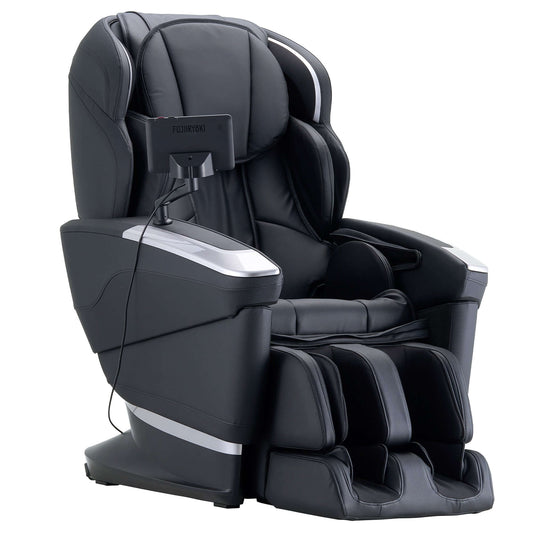
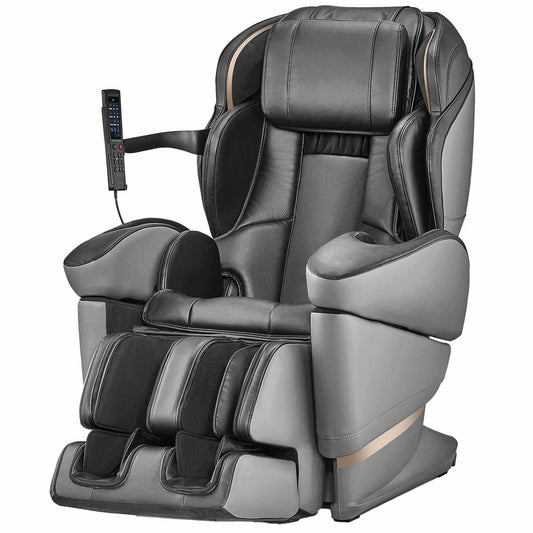
Fujiiryoki massage chairs have become a benchmark for home wellness, delivering professional-grade therapies that adapt to your body with intelligent sensors, customizable presets, and expansive technique libraries. By 2026, these chairs blend predictive body-scans, adaptive pressure control, and a wide range of massage programs designed to target specific zones while supporting overall vitality. This comprehensive guide delves into how targeted techniques—Shiatsu, Swedish, Deep Tissue, Trigger Point, Reflexology, Acupressure, and Kneading—work from ankle to head and translate into enduring full-body wellness at home.
Shiatsu Massage: Ancient Pressure Point Therapy Meets Modern Precision
Shiatsu is a traditional Japanese modality based on stimulating energy pathways and specific reflex points to rebalance the body. Fujiiryoki’s implementation translates these ideas into dynamic roller movements, palm-like compression, and carefully timed sequences that travel from the ankles to the scalp. The chair’s body-scanning system aligns rollers along major muscle groups and spine, enabling a cascade of shiatsu strokes that soothe knots, ease neck and shoulder tension, and support natural spinal alignment. Benefits include improved energy flow, reduced cervical stiffness, and a heightened sense of equilibrium after each session.
Swedish Massage: Relaxation, Circulation, and Lymphatic Wellness
Swedish massage in a high-end Fujiiryoki chair emphasizes long, gliding strokes (effleurage), rhythmic kneading, and light percussion. These patterns promote blood flow, lymphatic drainage, and overall relaxation. The chair adapts pressure along the calves, thighs, back, arms, and neck to recreate a full-body Swedish sequence without sacrificing control. Regular sessions may relieve fatigue, improve range of motion, and calm the nervous system. Swedish work also primes the body for deeper therapies when needed, acting as a strategic warm-up that supports long-term mobility and recovery.
Deep Tissue Massage: Targeted Pressure for Persistent Muscle Tension
Deep tissue massage targets deeper muscle layers and fascia, addressing chronic knots and adhesions. Fujiiryoki models apply robust rollers and compression settings to reach tense muscle groups while protecting joints. From the low back to the shoulders and legs, this mode emphasizes trigger points and tissue adhesions, helping to ease persistent pain, accelerate post-workout recovery, and restore functional movement. A gradual ramp-up of intensity is recommended to minimize soreness while achieving lasting relief and improved tissue quality.
Trigger Point Massage: Localized Release for Global Mobility
Trigger points are stubborn knots that radiate pain and restrict movement. The chair’s targeted compression paths and precise rolling trajectories locate and hold pressure on these points—especially along the back, shoulders, neck, and hips. By delivering sustained, precise pressure, Fujiiryoki trigger point programs disrupt the muscle guarding cycle, reduce referred pain, and expand range of motion. The effects can cascade along the kinetic chain, benefiting posture and daily activities from ankles to the head, often producing noticeable relief after a handful of sessions.
Reflexology: Foot and Hand Maps for Systemic Wellness
Reflexology-inspired programs use mapped zones on the feet and hands to influence distant organs and systems. Fujiiryoki chairs stimulate reflex zones on the soles, arches, toes, palms, and fingers to trigger systemic relaxation and improved function. As you move from the ankles through the calves and legs, reflexology helps improve circulation, reduce plantar tension, and promote a sense of balance across the body. When integrated with other techniques, reflexology amplifies relaxation and can enhance sleep quality and daytime energy.
Kneading: Classic Muscle Release Across the Body
Kneading imitates manual lifting and rolling of muscle tissue to break up adhesions and improve pliability. In Fujiiryoki chairs, kneading is tuned for broad muscle groups such as the back, glutes, thighs, and shoulders, delivering a comforting deep-tissue feel without excessive pressure on joints. This technique pairs well with warming sequences and cooldown routines, supporting flexibility and post-workout recovery from ankle to head while preserving comfort for sensitive areas.
Acupressure: Energy Balance for Pain Relief and Recovery
Acupressure-inspired programs apply precise pressure to key meridian points to modulate energy flow and pain perception. Fujiiryoki chairs integrate pulse-like and sustained contact to support muscle relaxation, reduce soreness, and improve postural comfort. Across zones—from ankles and calves up through the back, neck, and head—acupressure contributes to nervous system balance, quicker transitions from tense states to calmer ones, and a sense of overall resilience during demanding days.
Targeted Body Parts and How They Benefit
The following map shows how Fujiiryoki massage chairs address common areas of tension or stiffness from ankle to head, with a focus on practical outcomes for daily life and athletic recovery.
- Ankle: Calf and foot rollers, toe stimulation, and ankle-joint mobilization support healthy gait and reduce plantar tension.
- Calf: Longitudinal kneading and Swedish strokes improve venous return and reduce cramping after exercise.
- Foot: Reflexology zones activate relaxation and systemic balance, supporting sleep and overall vitality.
- Heel: Focused pressure and wave-like motions ease plantar fascia discomfort and heel pain.
- Achilles region: Gentle kneading and targeted pressure ease tightness from running or walking.
- Back: Shiatsu and kneading address muscle knots and posture-related tension across the thoracic and lumbar spine.
- Shoulder: Deep kneading and trigger point work release trapezius and deltoid tension, improving posture and headache symptoms.
- Neck: Moderate shiatsu patterns reduce stiffness and cervical discomfort while supporting alignment.
- Wrist and forearm: Gentle kneading and acupressure-inspired pulses ease strain from typing and desk work.
- Thigh and hamstring: Broad strokes and deeper kneading improve muscle tone, flexibility, and recovery after training.
- Knee: Calf-to-thigh sequences support joint comfort and a fuller range of motion.
- Legs: Whole-leg routines combine Swedish glides with kneading and trigger point accents for balanced relief.
- Head: Scalp and neck relaxation sequences relieve tension and support better sleep quality.
- Whole body: Integrated programs coordinate multiple techniques for a comprehensive wellness session from ankle to head.
Full-Body Wellness Benefits You Can Expect
When used regularly, Fujiiryoki massage chairs offer a spectrum of wellness benefits that nurture both body and mind. The following outcomes reflect typical results reported by users and supported by the design philosophy of these chairs:
- Blood Flow Control: Enhanced circulation promotes nutrient delivery, faster toxin removal, and healthier tissue repair.
- Fatigue Relief: Soothing patterns reduce mental and physical fatigue after long days or intense training cycles.
- Flexibility Improvement: Consistent sessions loosen tendons and fascia, expanding joint range and reducing stiffness.
- Injury Recovery: Targeted therapies support gentle recovery from minor strains when used in conjunction with medical guidance.
- Muscle Therapy: Deep kneading and trigger point work release adhesions and improve tissue quality for more resilient muscles.
- Pain Relief: Localized pressure and systemic relaxation decrease pain signals and muscle guarding over time.
- Spine Alignment: Posture-focused sequences support natural spinal curves and reduce compensatory tension in surrounding musculature.
- Stress Relief: Calm pacing, warmth, and controlled breathing cues promote relaxation, mood balance, and better sleep hygiene.
- Tissue Therapy: Comprehensive kneading and pressure-based strokes nurture connective tissue health and pliability.
How to Get the Most from Your Fujiiryoki Chair
To maximize both wellness and SEO-friendly outcomes for your routine, follow these practical practices:
- Start with a gentle program to acclimate, then progressively increase intensity and duration as you become comfortable with the chair’s responses.
- Leverage the automated body scan to map pressure to your anatomy, particularly if you have neck, back, or hip concerns.
- Design a balanced routine that alternates between soothing patterns (effleurage-like Swedish work) and deeper therapies (trigger points, deep tissue) to avoid overtaxing any one tissue group.
- Prefer warm or slightly heated environments and consider light stretching after a session to extend the benefits of tissue extension and relaxation.
- Document your progress: track which presets you use, the intensity settings, and the body parts most benefited to tailor future sessions.
- Combine therapy with mindful breathing or short meditation for enhanced stress relief and sleep signals.
Practical Setup and Customization Tips for SEO-Ready Wellness
Maximizing the chair’s potential also involves thoughtful setup and routine design that you can repeat. Use the chair’s presets as starting points, then save personalized programs that target your most frequent tension zones—neck and shoulders after desk work, calves after runs, or the lower back following long drives. Consistency matters more than occasional intensity: daily 15–20 minute sessions often yield more meaningful improvements in circulation, flexibility, and pain perception than sporadic longer sessions.
Safety, Maintenance, and Longevity
To keep your Fujiiryoki chair performing at peak, follow manufacturer guidance for upholstery care, motor maintenance, and software updates. Clean the upholstery with a damp, non-abrasive cloth, avoid exposing the chair to direct sunlight, and ensure the power supply remains stable. If you have cardiovascular conditions, recent surgery, or acute injuries, consult a medical professional before starting a new massage routine. Always begin with lower intensity and short durations to gauge your body’s response before increasing workload.
Frequently Asked Questions (FAQ)
Below are common questions buyers and users have about Fujiiryoki massage chairs and how to optimize targeted techniques for ankle-to-head wellness:
- Q: Can I customize the sequence to focus on specific body parts? A: Yes. Most Fujiiryoki models support customizable programs that prioritize zones like neck, back, calves, or feet, plus the ability to combine multiple techniques in a single session.
- Q: How often should I use the chair to see benefits? A: Consistency matters. Aim for 4–6 sessions per week, with each session 15–30 minutes, adjusting as your body adapts.
- Q: Are there risks with deep tissue or trigger point modes? A: Start gently, especially if you’re new to deep pressure. If you experience sharp pain, dizziness, or numbness, reduce intensity or discontinue use until consulting a clinician.
- Q: Do these chairs help with sleep? A: Many users report improved sleep quality due to reduced muscle tension, lower heart rate, and a calmer nervous system post-session.
- Q: What maintenance is essential? A: Regular cleaning, checking upholstery wear, and updating firmware as recommended by the manufacturer keeps performance consistent.
Conclusion: A Benchmark for Home Wellness in 2026
Fujiiryoki massage chairs deliver a robust and highly adaptable toolkit for ankle-to-head wellness, combining Shiatsu, Swedish, Deep Tissue, Trigger Point, Reflexology, Acupressure, and Kneading into a coherent system that supports full-body health. The intelligent integration of body-scanning technology, precise pressure control, and diverse technique libraries means you can tailor sessions to your daily needs—from relaxation after a long day to targeted rescue for sport-related stiffness. Whether your goal is improved circulation, reduced fatigue, greater flexibility, faster recovery, or deeper stress relief, these chairs offer a scalable, home-based solution that aligns with modern wellness expectations in 2026 and beyond.