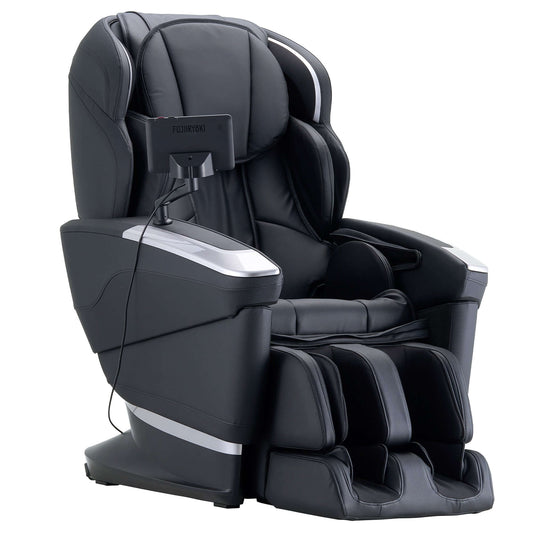
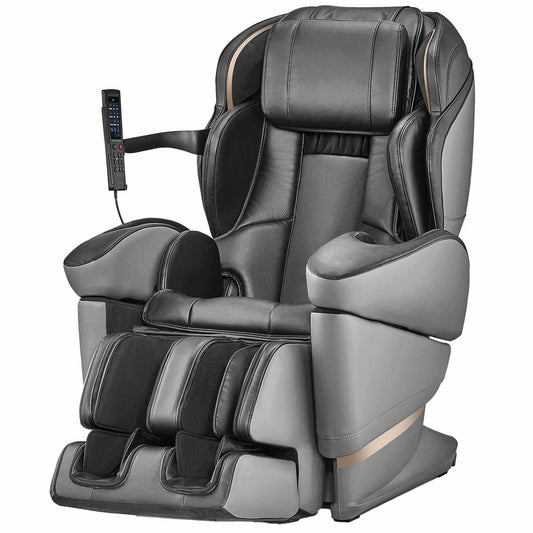
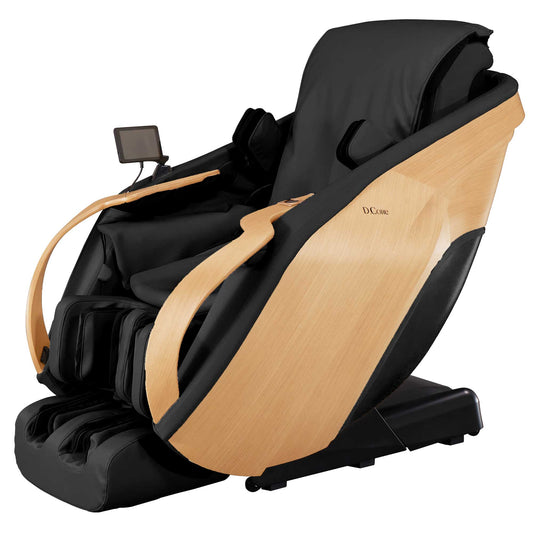
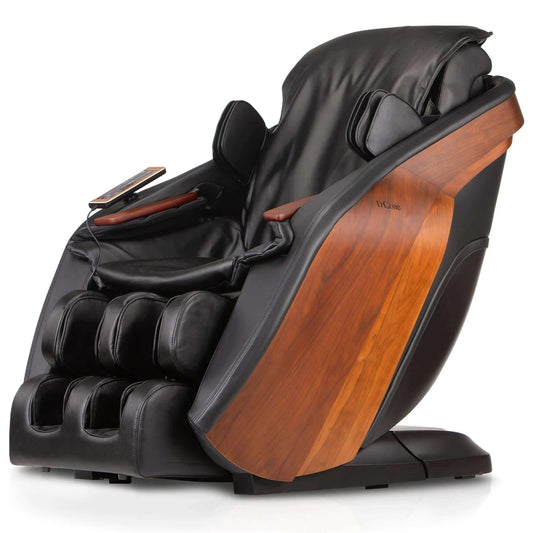
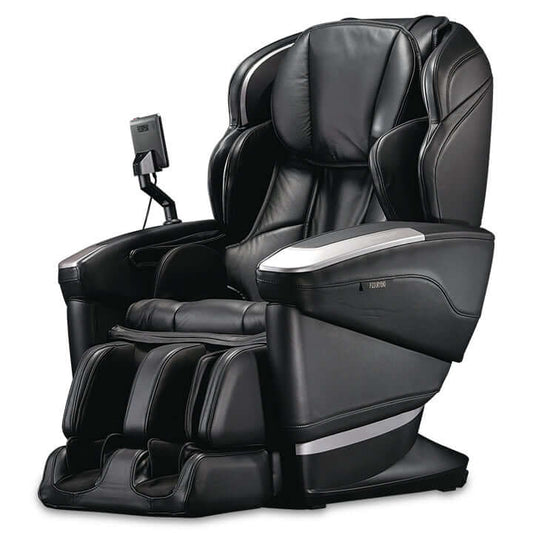
Fujiiryoki Massage Chair: Clinician’s Visual Playbook — Mapping Swedish, Shiatsu & Deep‑Tissue Techniques to Ankles, Neck, Back, Feet and Therapeutic Benefits
按摩椅问题

Fujiiryoki Massage Chair: Clinician’s Visual Playbook — Mapping Swedish, Shiatsu & Deep‑Tissue Techniques to Ankles, Neck, Back, Feet and Therapeutic Benefits

Executive Summary — Clinician’s Playbook for Fujiiryoki Massage Chairs

Fujiiryoki massage chairs combine advanced mechanical rollers, airbags, heating and programmability to reproduce many clinician-style manual therapy inputs. This extended playbook maps core massage techniques (Swedish, Deep Tissue, Shiatsu, Trigger Point, Acupressure, Reflexology and Kneading) to targeted body regions (ankle, back, calf, feet, hands, head, heel, knee, legs, neck, shoulder, thigh, whole body and wrist) and therapeutic outcomes (blood flow control, fatigue relief, flexibility improvement, injury recovery, muscle therapy, pain relief, spine alignment, stress relief, tissue therapy). The goal: give clinicians practical, evidence-informed protocols for incorporating Fujiiryoki chairs into care plans, with measurable outcomes, contraindication screening and session templates.

Why a Clinician-Focused Playbook Matters

  • Reproducibility: Chairs allow standardized, repeatable mechanical inputs—ideal for protocolized care.
  • Safety: Clinician mapping reduces risk of inappropriate intensity or sequencing for vulnerable patients.
  • Therapeutic extension: Used correctly, chairs become adjuncts to manual therapy, promoting self-management and clinic throughput.
  • Outcomes tracking: Clinicians can integrate chair sessions into measurable treatment plans rather than passive relaxation only.

SEO and Clinical Keywords Embedded

This article is optimized for clinicians and informed consumers searching for terms such as "Fujiiryoki massage chair protocols", "massage chair techniques for neck pain", "Shiatsu chair benefits", "deep tissue chair therapy", "foot reflexology massage chair" and "massage chair clinical guidelines". Use these phrases in clinic pages, patient education handouts and service descriptions for better discoverability.

Foundations — Mechanical Actions of Each Massage Technique

Understanding what each technique does mechanically helps translate hands-on approaches into machine settings:

  • Swedish (effleurage, petrissage): long, gliding strokes; promotes superficial circulation and relaxation.
  • Deep Tissue: slow, focused pressure; aims to deform deep fascia and reduce adhesions.
  • Shiatsu: sustained point pressure with variable rhythm; engages autonomic and segmental reflexes.
  • Trigger Point: sustained pressure on hyperirritable loci to reduce referred pain and restore length-tension relationships.
  • Acupressure: point-based stimulation to modulate autonomic tone and local circulation.
  • Reflexology: targeted plantar or palmar stimulation to produce systemic and spinal reflex responses.
  • Kneading: circular, mobilizing compressions improving tissue pliability and lymphatic drainage.

Fujiiryoki Features Clinicians Should Master

  • Roller path types: S-track and L-track travel affect thoracolumbar and gluteal coverage.
  • Roller depth/intensity: crucial for shifting from Swedish to deep-tissue style input.
  • Airbags/compression: useful for limb circulation, lymphatic return and gentle traction.
  • Foot rollers and heel nodes: enable reflexology and plantar release programs.
  • Heat zones: thermally augment deep tissue extensibility and patient comfort.
  • Body scan and presets: base for reproducible sessions—customize after scanning.
  • Timing and dosing controls: allow clinicians to standardize session durations per region.

Protocol Design Principles

  • Assess first: brief pre-screen to identify contraindications (DVT, acute infection, open wounds, unstable cardiovascular issues, uncontrolled hypertension, active cancer in treatment, recent fractures).
  • Start low & titrate: begin at 30%-50% intensity for sensitized patients, increase gradually while monitoring response.
  • Sequence logically: warm tissue (Swedish), address focal restrictions (Deep Tissue/Trigger Point), then downregulate (Shiatsu/Reflexology).
  • Time dose appropriately: 10–20 minutes for single-region focus; 20–40 minutes for whole-body sessions.
  • Measure outcomes: use ROM, pain scales, limb circumference, functional questionnaires and patient-reported outcomes.

Detailed Body-Region Mapping (Clinician-Ready)

The following expanded mappings cover each targeted body part with technique suggestions, recommended Fujiiryoki settings, step-by-step chair protocol, contraindication notes and outcome measures.

Ankle

  • Technique match: Reflexology + Swedish effleurage; light Shiatsu for distal points.
  • Fujiiryoki features: low-intensity foot rollers, ankle airbags, gentle alternating compression cycles, optional low heat.
  • Step-by-step: 1) 3–5 minutes of gentle rollers to warm plantar surface. 2) 5–7 minutes of intermittent ankle airbags with mild compression cycles to promote venous return. 3) Finish with 2–3 minutes of localized Shiatsu-style pressure at key distal points.
  • Contraindications/precautions: active DVT signs, cellulitis, open wounds or severe peripheral neuropathy. Use very low intensity with diabetic neuropathy.
  • Measure: pre/post circumference, patient report of swelling and soreness, dorsiflexion range if mobility is an objective.

Back (Upper, Mid & Lower)

  • Technique match: Swedish for systemic warming; Deep Tissue and Trigger Point for chronic myofascial restrictions; Shiatsu near paraspinal points for autonomic modulation.
  • Fujiiryoki features: S-/L-track options depending on coverage needed, variable roller depth, lumbar heat, paraspinal airbags, targeted node programs.
  • Step-by-step: 1) Body-scan then 5–10 minutes Swedish whole-back to warm and mobilize. 2) 8–12 minutes of targeted deeper rollers and kneading at identified restriction sites. 3) 3–5 minutes of Shiatsu point presses across paraspinal regions. 4) 2–5 minutes of cooldown with light effleurage or air decompression.
  • Contraindications/precautions: screen for red flags—new severe pain, unexplained weight loss, fever, neurological deficits. Avoid intense deep modes in acute radicular pain until cleared.
  • Measure: pain scores, lumbar ROM, sit-to-stand function, patient-reported function scales (e.g., ODI or region-appropriate questionnaires).

Neck & Cervical Region

  • Technique match: Shiatsu for trigger points around occiput and upper cervical facets, Deep Tissue for upper trapezius, Swedish for overall relaxation.
  • Fujiiryoki features: adjustable cervical roller depth, heat at cervical area, vibration/headrest modes, gentle traction-like glide if available.
  • Step-by-step: 1) 2–4 minutes of light cervical rollers to assess tolerance. 2) 6–10 minutes of deeper, focused work on upper trapezius and suboccipital grooves with moderate heat. 3) Finish with 3–5 minutes of light percussion/vibration to scalp and occiput for autonomic downregulation.
  • Contraindications/precautions: avoid aggressive compression in cases of vertebral artery insufficiency, cervical instability, acute radiculopathy, or recent neck surgery. Monitor blood pressure and dizziness in hypertensive patients.
  • Measure: pain scores, cervical ROM (flexion/extension/rotation), headache frequency and intensity diary.

Shoulder & Scapular Region

  • Technique match: Deep Tissue for upper trapezius and levator scapulae; Shiatsu around scapular borders; Swedish for trapezius relaxation.
  • Fujiiryoki features: targeted roller depth near upper thoracic zone, heat, and lateral airbags that can support scapular mobility.
  • Step-by-step: 1) Warm upper back and shoulder girdle with Swedish mode 5 minutes. 2) 6–10 minutes deep kneading and trigger point-focused pressure across upper trapezius and posterior shoulder. 3) 3–5 minutes of scapular mobilization via alternating lateral airbags or gentle traction patterns.
  • Contraindications/precautions: avoid direct intense pressure on acute shoulder bursitis or post-op repairs until cleared. Use gentler settings with adhesive capsulitis and focus on surrounding soft tissue rather than joint compression.
  • Measure: shoulder abduction/external rotation ROM, functional outcome questionnaires, pain on activity.

Whole Body & Integrated Sessions

  • Technique match: Sequenced Swedish → Deep Tissue/Trigger Point → Shiatsu/Reflexology for systemic and focal benefits.
  • Fujiiryoki features: full-program body scan, graduated intensity presets for warm-up and cool-down, heat across lumbar and seat areas, integrated foot rollers.
  • Step-by-step sample 30-minute session: 1) 8–10 minutes Swedish full-body effleurage (warm-up). 2) 10–12 minutes targeted deep-release for clinician-identified regions (back, neck, calf). 3) 6–8 minutes of Shiatsu/reflexology for autonomic downregulation and finish with 2–3 minute cooldown.
  • Natural adjuncts: incorporate breathing cues, short mobility drills post-session, and hydration reminders to optimize recovery.
  • Measure: cross-regional pain inventory and global fatigue/quality-of-life scales over repeated sessions.

Feet, Heel & Plantar Region

  • Technique match: Reflexology and targeted Deep Tissue rollers for plantar fasciopathy and generalized relaxation.
  • Fujiiryoki features: multi-node foot rollers, heel-specific contact points, adjustable intensity, heat for plantar fascia softening.
  • Step-by-step: 1) 3–5 minutes low-to-moderate roller to warm. 2) 7–10 minutes deep roller pressure across plantar fascia focusing heel insertion if tolerated. 3) 3 minutes of light reflexology strokes for systemic benefit.
  • Contraindications/precautions: diabetic foot neuropathy, plantar ulcers, severe peripheral vascular disease—use minimal intensity or avoid depending on assessment.
  • Measure: heel pain numeric rating, first-step pain report, gait function.

Calf, Leg, Thigh

  • Technique match: Swedish strokes for venous return, kneading for muscle tightness, trigger point work on gastrocnemius/soleus and quadriceps/hamstrings as indicated.
  • Fujiiryoki features: long-range calf airbags, sequential compression, adjustable kneading intensity, leg rest angle modifications.
  • Step-by-step: 1) 5 minutes sequential calf compression to promote venous and lymphatic return. 2) 8–10 minutes of kneading/deep compressions over gastrocnemius and quadriceps to reduce tone. 3) Finish with gentle passive stretch cues (patient-assisted) and cool-down compression.
  • Contraindications/precautions: DVT history—consult before compression. Recent muscle tears—avoid deep kneading until subacute stage.
  • Measure: calf girth, perceived muscle tightness scales, single-leg balance/time to fatigue metrics.

Knee

  • Technique match: Swedish and gentle kneading to reduce periarticular stiffness; indirect trigger point release via surrounding muscles (quadriceps, hamstrings).
  • Fujiiryoki features: surrounding leg airbags with patient-controlled knee clearance; avoid direct hard patellar compression.
  • Step-by-step: 1) 3–5 minutes of light surrounding compression to reduce effusion perception. 2) 6–8 minutes kneading focused above and below the joint (quads/hamstrings). 3) 2–3 minutes cooldown with low intensity and passive ROM guidance.
  • Contraindications/precautions: recent knee surgery, acute inflammatory arthropathy, thrombosis—avoid until medically cleared.
  • Measure: knee ROM, timed functional tests (e.g., stair ascent), pain on loading.

Hands & Wrist

  • Technique match: Reflexology, acupressure and gentle kneading for carpal tunnel adjunct care or post-activity soreness.
  • Fujiiryoki features: hand airbags and small rollers, intermittent hold-release for trigger point desensitization.
  • Step-by-step: 1) 2–3 minutes light hand roller/reflex stimulation. 2) 5–7 minutes acupressure-like sustained holds across palmar creases and wrist flexor mass. 3) Finish with gentle vibration and patient-directed mobility.
  • Contraindications/precautions: acute inflammatory tenosynovitis, open wounds, or recent fractures—avoid or use minimal intensity.
  • Measure: grip strength, patient-rated function (e.g., quick DASH), pain with activity.

Head & Scalp

  • Technique match: light Shiatsu at occiput, scalp vibration for tension headache relief and autonomic downregulation.
  • Fujiiryoki features: headrest vibration/percussion modes, occipital node pressure settings, gentle traction if available.
  • Step-by-step: 1) 1–2 minutes of light occipital rollers to assess tolerance. 2) 4–6 minutes of gentle Shiatsu-like point presses around suboccipital and temporal areas. 3) 2–3 minutes of scalp vibration or tapping for relaxation.
  • Contraindications/precautions: recent head trauma, active migraine with aura—use clinical judgement and patient preference.
  • Measure: headache frequency/intensity diary, patient-reported relaxation scales post-session.

Wrist & Forearm

  • Technique match: Kneading and acupressure across wrist flexors and extensors; reflexology for hand-to-system effects.
  • Fujiiryoki features: hand and forearm airbags, low-intensity rollers to preserve comfort during repetitive strain recovery.
  • Step-by-step: 1) 2–4 minutes of light roller pattern across forearms. 2) 6–8 minutes of moderate kneading or sustained acupressure on pronator teres, flexor carpi radialis groups. 3) Finish with active mobility and nerve gliding instructions if indicated.
  • Contraindications/precautions: acute inflammation, open wounds, or severely altered sensation—use caution or avoid.
  • Measure: wrist flexion/extension strength, activity-specific pain scales, dexterity tasks.

How to Build a Session Template Library (Clinician Implementation)

Create reproducible session types that can be used in clinic scheduling and patient education. Below are sample templates adapted to Fujiiryoki features and clinical intents.

  • Quick Regional Recovery (10–15 min)
    • Indication: post-exercise tightness, targeted discomfort.
    • Sequence: brief Swedish warm-up 3–4 min → 6–8 min focused deep kneading/trigger point work → 2 min cooldown (light Shiatsu or reflexology).
    • Expected effect: reduce acute soreness, increase local ROM, accelerate recovery.
  • Full-Body Maintenance (20–30 min)
    • Indication: general stress relief, chronic stiffness maintenance program.
    • Sequence: 8–10 min Swedish full-body → 8–12 min targeted deep-release for 1–2 problem areas → 4–6 min Shiatsu/reflexology cooldown.
    • Expected effect: global relaxation, improved circulation, maintenance of tissue mobility.
  • Deep Release Clinical Session (25–40 min)
    • Indication: chronic myofascial pain, post-rehab adjunct to in-person manual therapy.
    • Sequence: 10 min Swedish warm-up → 12–18 min alternating targeted deep tissue/trigger point programs with heat → 5–8 min autonomic downregulation (Shiatsu/reflexology).
    • Expected effect: reduced myofascial restriction, improved tissue pliability, decreased pain scores over repeated sessions.

Objective Outcome Tracking — Simple Clinician Tools

  • Numeric Pain Rating Scale (NPRS): pre, immediately post, 24-hour follow-up.
  • Region-specific ROM: goniometric measures before and after a focused cycle.
  • Functional tests: timed sit-to-stand, single leg balance, timed walk—track across sessions.
  • Patient Global Impression of Change (PGIC): weekly summary of perceived benefit.
  • Photographic/posture assessment: baseline and follow-up for spine alignment and posture improvement.

Evidence-Informed Notes

Mechanical massage and compression have documented effects on circulation, pain modulation and autonomic tone when applied appropriately. Chairs that can reproduce graded mechanical inputs may provide measurable benefits as adjunctive care—especially for fatigue relief, temporary pain reduction and improved subjective function. Clinicians should integrate chair sessions into broader rehabilitation plans and use outcome tracking to validate benefit in their specific patient population.

Contraindications & Safety Checklist

  • Absolute contraindications: suspected/confirmed DVT, uncontrolled acute infection, open wounds at targeted sites, recent fractures not cleared by physician.
  • Relative contraindications: uncontrolled hypertension, active cancer treatment—consult oncologist, severe osteoporosis, pregnancy (consult obstetric care). Adjust intensity accordingly.
  • Monitoring signs to stop: increased numbness, sharp or radiating pain, chest pain, severe dizziness, fainting, or signs of adverse cardiovascular response.
  • Documentation: record pre-screen findings, informed consent for chair use, and session parameters (program used, intensity, duration).

Patient Education — What to Tell Your Patients

  • Purpose: explain the chair is an adjunct to therapy—helps with circulation, muscle relaxation, and symptom management, not a cure-all.
  • Expectations: mild to moderate soreness may occur after deeper sessions; this should subside within 24–48 hours. Immediate pain reduction is common but track longitudinal changes to evaluate effectiveness.
  • Home use guidance: frequency recommendations (e.g., 2–4 short sessions/week for maintenance; adjust for clinical presentations). Encourage hydration after sessions and light mobility exercises.
  • When to seek help: worsening pain, new neurological signs, swelling or systemic symptoms—stop chair use and contact clinician.

Common Clinical Scenarios & Recommended Protocols

  • Chronic Neck & Upper Back Tension
    • Protocol: cervical heat + moderate roller depth (6–12 minutes), focused deep kneading to upper trapezius/levator (6–8 minutes), finish with scalp vibration and breathing cues (3–5 minutes).
    • Measure: decreased headache frequency, improved cervical ROM over 4–6 sessions.
  • Plantar Fasciitis (Adjunct)
    • Protocol: warm foot rollers and heel nodes (3–5 minutes), deep plantar rollers focused on heel insertion (8–10 minutes, careful intensity), finish with light reflexology and calf compression to address proximal contributors (4–5 minutes).
    • Measure: first-step pain scores and pain during activity over 6–8 weeks alongside standard conservative care.
  • Post-Exercise Leg Fatigue
    • Protocol: sequential calf compression for venous return (5 minutes), light-to-moderate kneading for muscle tightness (6–8 minutes), cooldown and hydration guidance.
    • Measure: perceived recovery time, soreness chart, and return-to-activity readiness.

Troubleshooting & Optimization Tips

  • Issue: patient reports pins-and-needles or numbness — Action: decrease intensity, shorten session, reassess neuropathy; avoid deep sustained pressure.
  • Issue: worsening pain after session — Action: reduce intensity next session, check for trigger points referred pain pattern, and coordinate in-person manual assessment if persistent.
  • Issue: limited coverage of sacral/gluteal region — Action: adjust chair recline and use L-track options where available for fuller posterior chain access.
  • Optimization: combine short manual therapy primer followed by chair session to extend effects and provide greater comfort for patient during home-use instruction.

Clinic Implementation Checklist

  • Designate a chair protocol lead responsible for staff training and patient education templates.
  • Create printed and digital consent and pre-screen forms specific to chair use.
  • Standardize three session templates (regional, full-body, deep-release) and store as presets on the chair when possible.
  • Implement simple outcome tracking (NPRS, ROM, functional test) and review aggregated data quarterly to assess clinical value.
  • Post signage and educational brochures in the clinic describing what to expect and safety reminders.

Maintenance & Hygiene Best Practices

  • Regularly clean contact surfaces with manufacturer-approved disinfectants between patient uses.
  • Perform scheduled mechanical maintenance per Fujiiryoki service guidelines—roller calibration, airbag integrity checks, electronics firmware updates.
  • Keep a log of service and any repairs to ensure consistent performance and safety.

Measuring Clinical Return on Investment (ROI)

Track metrics such as additional billable adjunct sessions, improved patient retention, decreased manual therapy session length (when chair can extend care at lower clinician time cost), and patient satisfaction scores. Collect pre/post intervention outcomes to demonstrate effectiveness and guide service pricing.

Research Opportunities & Future Directions

Opportunities exist to study chair-based protocols within randomized or pragmatic trials for specific conditions (e.g., chronic low back pain, plantar fasciitis, neck tension headaches). Clinician-led case series and quality improvement projects using standardized measures can build practice-based evidence for Fujiiryoki chair integration.

Appendix — Quick Reference: Technique-to-Body-Part Cheatsheet

  • Ankle: Reflexology + Swedish; low-intensity rollers and ankle airbags.
  • Back: Swedish → Deep Tissue → Shiatsu; S-/L-track rolling, lumbar heat.
  • Neck: Shiatsu + Deep Tissue with caution; cervical rollers and heat.
  • Feet & Heel: Reflexology + Deep rollers; heel nodes + heat.
  • Calf/Leg/Thigh: Sequential compression + kneading; long calf airbags.
  • Hands/Wrist: Reflexology + kneading; hand airbags and low rollers.
  • Head: Occipital Shiatsu and scalp vibration; gentle modes only.
  • Knee: Surrounding tissue work—avoid direct patellar compression.
  • Shoulder: Deep Tissue and Shiatsu near scapula; targeted roller depth.
  • Whole Body: Swedish warm-up, targeted deep release, Shiatsu cooldown.

Final Takeaways — Translating Clinician Skill into Chair-Prescribed Care

Fujiiryoki massage chairs are sophisticated therapeutic devices when used within clinician-designed protocols. By mapping manual techniques to mechanical modes, sequencing sessions properly, screening for contraindications, and tracking outcomes, clinicians can safely extend care, support patient self-management, and produce measurable improvements in pain, tissue mobility and function. This playbook is a living document—adapt the templates to your patient population, document outcomes, and refine protocols based on clinical data.

Next Steps

  • Adopt the provided session templates and pilot with 10–20 patients representing typical clinic presentations.
  • Collect standardized pre/post measures over 4–6 sessions to evaluate effectiveness and refine intensity/durations.
  • Train staff on screening, preset usage and hygiene; create patient-facing materials using the language in this playbook.

Implementing a clinician’s visual playbook for Fujiiryoki chairs turns a luxury item into a reproducible clinical tool. Use the mappings, protocols and measurement strategies above to structure care, improve outcomes and increase the therapeutic value of massage chair technology in your practice.

标签:
3产品
6产品
12产品