Fujiiryoki Massage Chairs: Targeted Programs for Ankles, Neck, Shoulders & Feet — Shiatsu, Deep Tissue & Reflexology for Circulation, Pain Relief & Recovery
消息

Fujiiryoki Massage Chairs: Targeted Programs for Ankles, Neck, Shoulders & Feet — Shiatsu, Deep Tissue & Reflexology for Circulation, Pain Relief & Recovery

Introduction

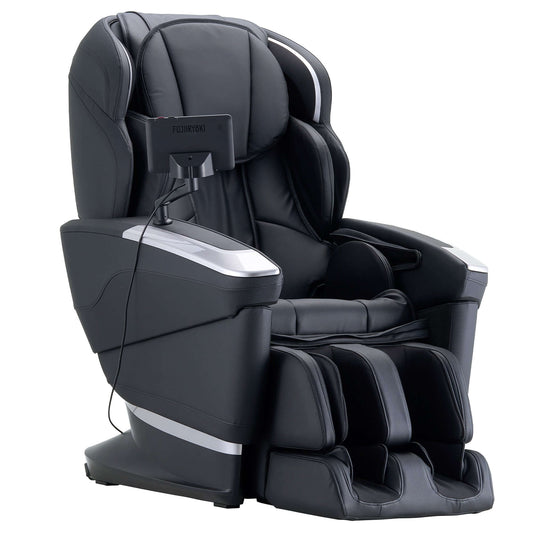
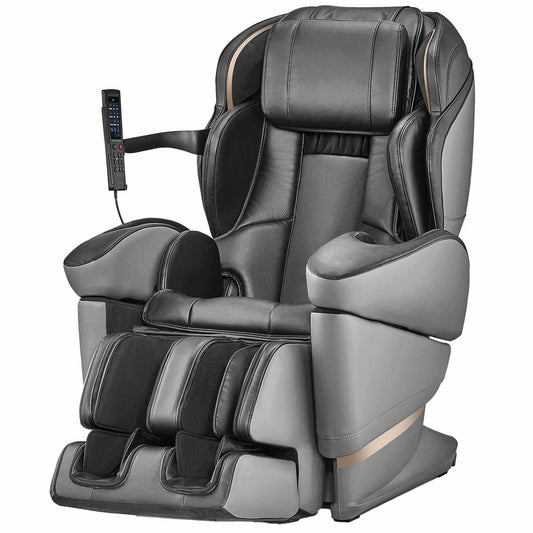
Fujiiryoki massage chairs are frequently cited by wellness enthusiasts and rehabilitation-minded users for their ability to deliver targeted, programmable massage across multiple body zones. In 2025 these chairs blend decades of massage tradition with modern robotics, offering shiatsu, deep tissue, reflexology, kneading, acupressure, Swedish techniques and trigger point therapy in configurable programs tailored for ankles, feet, neck, shoulders and the whole body. This extended guide dives deep into how Fujiiryoki chairs work, the anatomy they target, optimal protocols for different needs, safety considerations, a buying checklist, maintenance tips and answers to frequently asked questions.

Overview: What Makes Fujiiryoki Different

  • Precision engineering: adaptive rollers, multi-zone airbags and L/S track designs that maintain contact from sacrum to neck for consistent pressure application.
  • Program diversity: factory and user-programmable modes that combine techniques such as shiatsu, reflexology and deep tissue in single sessions.
  • Targeted modules: advanced foot beds, calf and ankle compartments, neck-specific rollers and shoulder airbags that allow granular focus on problem areas.
  • User customization and intelligence: body scan, adjustable intensity, spot massage and memory programs for repeatable therapy.

How Fujiiryoki Technology Works

The therapeutic capacity of a Fujiiryoki chair comes from combining mechanical action (rollers and airbags), thermal therapy (localized heating), and control logic (program algorithms). Understanding these building blocks helps you use the chair more effectively.

  • Roller systems: mimic thumb and palm pressure, move in longitudinal and lateral patterns to reproduce shiatsu, kneading and deep tissue compression.
  • Air compression: sequential inflation/deflation mimics manual compression, promotes lymphatic drainage and venous return in calves, ankles and arms.
  • Heat therapy: localized warming increases blood flow, relaxes fascia and improves elasticity of connective tissue for deeper mechanical penetration.
  • Body scanning: measures spinal curvature and shoulder position to adjust roller paths for precise targeting and spinal alignment support.
  • Program algorithms: combine time, intensity and technique cycles (for example, alternating shiatsu and kneading) to avoid desensitization and maximize therapeutic benefit.

Detailed Anatomy and Targeted Therapy

Knowing the anatomy helps you match chair features to your needs. Below are common target areas and how Fujiiryoki programs address them.

  • Ankles and Heels: Airbag compression around the malleoli, rolling under the heel and reflexology patterns stimulate proprioceptors and reduce swelling, particularly after prolonged standing or repetitive impact sports.
  • Feet and Plantar Fascia: Sole rollers and reflexology protocols apply pressure to plantar zones to release tension in the arch, relieve plantar fasciitis symptoms and improve microcirculation to distal tissues.
  • Calves and Thighs: Sequential compression and kneading reduce venous stasis and muscle tightness, which is valuable for recovery after running, cycling or long flights.
  • Knees: Gentle compression and warming can relieve periarticular stiffness and improve range of motion when used in low-intensity modes.
  • Feet to Hip Chain: Combined leg programs that move from sole to thigh help with fascial release across kinetic chains, supporting mobility and gait function.
  • Hands and Wrist: Air massage and kneading patterns reduce repetitive strain symptoms and help with circulation in users with intensive manual tasks.
  • Lower Back and Lumbar Spine: L-track designs maintain consistent roller contact under the lumbar curve to provide decompressive and alignment support, easing compensation patterns that create hip and knee issues.
  • Thoracic and Shoulder Girdle: Shoulder airbags and trigger point nodes target the upper trapezius and levator scapulae to reduce tension from desk work, carrying loads or overhead activity.
  • Neck and Cervical Region: Neck-specific rollers with adjustable height and intensity recreate shiatsu and acupressure to relieve tension, improve cervical mobility and decrease tension headache triggers.
  • Head and Cranium: Gentle head cradle patterns and light pulsation can support relaxation and stress relief but should be used conservatively if there are cranial or vascular concerns.
  • Whole Body Sequences: Integrated sessions combine techniques to improve systemic circulation, reduce stress, and support recovery by addressing multiple zones in coordinated cycles.

Massage Techniques Explained — When to Use Each

Each technique has strengths depending on the condition. Use this as a practical reference when choosing a program.

  • Shiatsu: Uses concentrated pressure along meridians to break up muscular knots and restore mobility; best for chronic neck and shoulder stiffness and deep-rooted tension.
  • Deep Tissue: Slow, firm pressure targeting deep fascia and muscle layers; effective for chronic tightness, muscle adhesions and post-exercise recovery. Start with lower intensity and increase gradually.
  • Reflexology: Focused foot and heel work to influence systemic relaxation and circulation. Useful for foot pain, plantar fasciitis and improving distal blood flow.
  • Swedish: Long gliding strokes and gentle kneading to improve overall circulation and relaxation; ideal for stress relief and passive recovery days.
  • Trigger Point: Short, focused pressure on hyperirritable spots to deactivate pain generators; effective for localized shoulder, neck and lumbar spots when combined with stretching.
  • Acupressure: Targeted pressure applied to specific points to modulate pain pathways and autonomic responses; often used in head, neck and digestive-related protocols.
  • Kneading: Circular motions that lift and squeeze muscle tissue to improve circulation, reduce adhesions and prepare tissues for deeper work.

Practical Protocols: How to Use Your Fujiiryoki Chair for Specific Goals

Below are tailored protocols that combine program choice, session length and frequency for common goals. Always begin conservatively and consult a healthcare professional if you have underlying conditions.

Protocol: Acute Foot and Heel Pain (eg, plantar discomfort)

  • Frequency: 1x daily for 10-15 minutes initially.
  • Program: Reflexology + gentle sole roller; low-to-moderate intensity and heat off or low.
  • Progression: After 2 weeks, increase to 20-30 minutes and alternate with light stretching and toe mobility exercises.
  • Precautions: Avoid heavy deep tissue under acute inflammatory flare-ups; stop if pain intensifies.

Protocol: Chronic Neck and Shoulder Tension

  • Frequency: 3-5 times per week, 15-25 minutes per session.
  • Program: Shiatsu + trigger point combination with cervical rollers and heat enabled for 8-15 minutes during mid-session.
  • Progression: Incorporate spinal alignment programs and posture-focused sessions to reduce recurrence.
  • Precautions: Avoid strong intensity if you have cervical radiculopathy without professional guidance.

Protocol: Post-Workout Recovery and Circulation Boost

  • Frequency: After intense training sessions, 10-20 minutes; on rest days, 20-40 minutes for whole-body recovery.
  • Program: Swedish + sequential air compression for calves and thighs; optional light deep tissue focused on muscles used in training.
  • Progression: Use daily in periods of heavy training, and taper frequency during rest phases.

Protocol: General Stress Relief and Sleep Support

  • Frequency: Daily or nightly, 20-40 minutes.
  • Program: Swedish or shiatsu gentle modes, whole body sequence, choose heat if comfortable.
  • Progression: Pair with breathing exercises and a consistent sleep schedule for best results.

Scientific Context and Evidence

While a massage chair is not a medical device in most cases, massage and manual therapies have demonstrated benefits for circulation, muscle recovery and pain modulation in clinical and observational studies. Mechanical stimulation via rollers and compression can increase local blood flow, reduce perceived pain through gate-control mechanisms, and promote parasympathetic activation for stress reduction. Fujiiryoki chairs aim to reproduce these effects through repeatable, programmable mechanical therapy in a home setting. If you have a specific medical condition or are recovering from injury, consult your physician or physical therapist to integrate chair sessions safely into your care plan.

Which Model Features Matter Most (Buying Guide)

Feature selection should be driven by your targeted body zones and lifestyle. Use this checklist when comparing models or visiting showrooms.

  • Foot and Sole Technology: Look for multiple rollers, adjustable depth and reflexology patterns if foot and plantar issues are your priority.
  • Neck and Shoulder Adjustability: Height-adjustable neck rollers and focused shoulder airbags are essential for effective upper-body therapy.
  • L vs S Track: L-track extends under the glutes and hamstrings for longer contact; S-track follows the spine curvature for concentrated spinal work. Choose based on whether you want extended leg therapy or focused spinal alignment.
  • Airbag Density and Segmentation: More airbags and independently controlled zones allow finer compression therapy for calves, arms, hips and shoulders.
  • Heat Zones: Lumbar and foot heating enhance circulation and allow deeper work with more comfort.
  • Spot and Memory Functions: Ability to save favorite programs and focus on a targeted area multiple times per session.
  • Intensity Range: Wide adjustable intensity is important if multiple people will use the chair or if you need to progress therapy over time.
  • Size and Fit: Leg extension range, seat width and recline footprint matter for tall or wide users; always test in person if possible.
  • Warranty and Service: Check coverage for rollers, airbags, electronics and labor; authorized service networks reduce downtime.

Maintenance, Troubleshooting and Longevity

  • Keep the chair clean by wiping upholstery with a lightly damp cloth and manufacturer-recommended mild cleaners; avoid solvents and abrasive cloths.
  • Check air hoses and connectors periodically for wear; replace parts through authorized channels to protect warranty.
  • Perform soft resets as instructed in the manual for minor electrical issues; unplug and wait 30 seconds before restarting if the chair behaves erratically.
  • If rollers become noisy or less effective, schedule professional maintenance—do not attempt to disassemble roller mechanisms yourself.
  • Rotate program usage to avoid concentrating heavy mechanical loads on one set of components for extended periods.

Use Cases: Who Benefits Most

Fujiiryoki chairs can be helpful for a wide range of users. The following profiles illustrate common benefits.

  • Athletes: Use targeted deep tissue and compression programs to accelerate recovery, reduce DOMS and maintain flexibility in calves, quads and hamstrings.
  • Desk Workers: Regular neck and shoulder sessions combat postural strain and reduce tension headaches from prolonged forward head posture.
  • Seniors: Gentle programs promote circulation in lower extremities, reduce stiffness and support mobility with low-impact therapy.
  • Frequent Travelers: Compression and circulation-focused sessions help reduce swelling and fatigue from long flights.
  • Manual Laborers: Targeted deep tissue and trigger point therapy can relieve localized overuse pain in shoulders, wrists and lower back.

Safety Considerations

  • Do not use a massage chair over open wounds, infected skin, or in the presence of active inflammation that has not been evaluated by a clinician.
  • Avoid vigorous deep tissue modes if you have blood clotting disorders, recent surgery, advanced osteoporosis, or uncontrolled hypertension without medical clearance.
  • Pregnant users should seek medical advice before using heated or deep compression modes; gentler programs may be acceptable in many cases.
  • Stop a session immediately if you experience sharp pain, lightheadedness, numbness, or unusual symptoms and consult a healthcare professional.

Advanced Tips for Maximizing Benefits

  • Combine chair sessions with active mobility work: short after-session stretching or foam rolling can lock in gains from mechanical therapy.
  • Hydration matters: massage increases fluid movement; drink water after sessions to support lymphatic clearance and recovery.
  • Use progressive loading: start with lower intensities and increase duration and depth as tissues adapt to avoid flare-ups.
  • Integrate with professional care: coordinate chair programs with a physical therapist or massage therapist when recovering from injury or surgery.
  • Time sessions strategically: light sessions in the morning for mobility, deeper work in the evening for relaxation and recovery sleep.

Comparing Fujiiryoki Programs to Hands-On Massage

While nothing fully replicates a highly trained therapist's judgment and tactile responsiveness, modern Fujiiryoki chairs approximate many manual techniques with consistent, repeatable patterns that are convenient and cost-effective for daily maintenance. Chairs excel at regular circulation work, compression therapy and repeatable deep tissue cycles. Hands-on therapy retains advantages for complex orthopedic cases, manual joint mobilizations and adaptive assessments that require human feedback.

Warranty, Service and Where to Try

  • Check the specific model warranty for coverage periods and parts included; extended warranty options are often available for long-term protection.
  • Use authorized service centers for repairs to maintain warranty validity and ensure genuine replacement parts.
  • Try local showrooms when possible. A short test on different programs gives insight into fit, intensity, and how the chair targets your problem areas.

Expanded FAQs

  • How long before I notice results? Many users feel immediate relaxation and reduced stiffness after one session; measurable improvements in circulation and chronic pain often appear after consistent use for 2-6 weeks depending on condition severity.
  • Can a Fujiiryoki chair replace physical therapy? Not usually. Chairs are excellent for maintenance and adjunctive therapy but should complement, not replace, individualized physical therapy for serious injuries or structural problems.
  • Are chairs noisy? Modern Fujiiryoki models are engineered for quiet operation, but moving parts and air compressors produce some sound. Showroom tests are the best way to assess noise level tolerance.
  • Is heat necessary? Heat enhances tissue compliance and circulation, but some users prefer cool sessions. Use heat selectively to complement deeper work or to improve comfort.
  • How do I know which technique to choose? Match technique to your primary symptom: circulation and relaxation prioritize Swedish and reflexology; chronic tightness uses deep tissue and trigger point; neuromuscular tension benefits from shiatsu and acupressure.

Sample Weekly Routine for Balanced Recovery (Example)

  1. Monday: Post-workout recovery, 20 minutes – Swedish + calf compression.
  2. Tuesday: Neck and shoulders, 25 minutes – Shiatsu + trigger point focus.
  3. Wednesday: Light mobility, 15 minutes – Foot reflexology + gentle lumbar support.
  4. Thursday: Deep tissue lower body, 20 minutes – Calves, hamstrings and thighs.
  5. Friday: Whole body relaxation, 30 minutes – Swedish + heat for sleep support.
  6. Saturday: Active recovery, 10-15 minutes after activity – targeted leg program.
  7. Sunday: Rest or optional light session focused on problem spots.

Conclusion

Fujiiryoki massage chairs offer sophisticated, targeted programs for ankles, neck, shoulders, feet and the whole body by combining shiatsu, deep tissue, reflexology, kneading, acupressure and Swedish techniques. When chosen and used intelligently, these chairs become powerful tools for improving circulation, reducing pain, accelerating recovery and supporting daily stress management. Selecting the right model depends on your priority zones, desired techniques and fit for your body. Maintain safe usage by starting slow, consulting healthcare providers for medical conditions, and following manufacturer maintenance recommendations.

Next Steps

  • Identify your top three target areas: ankles/feet, neck/shoulders, or lower body.
  • Visit a showroom to test models and save favorite program settings for comparison.
  • Integrate chair sessions with stretching, hydration and professional care for best results.

With thoughtful selection and consistent use, a Fujiiryoki massage chair can be a cornerstone of home wellness in 2025 and beyond, offering effective targeted therapy for circulation, pain relief and recovery.

标签:
3产品
6产品
12产品