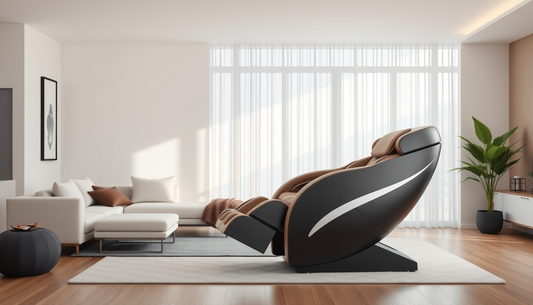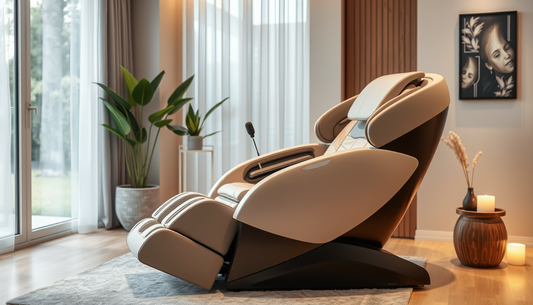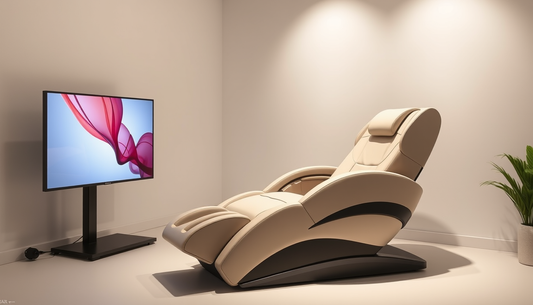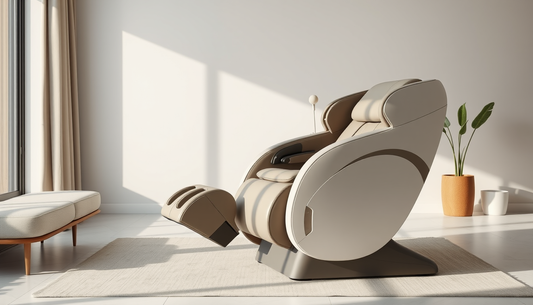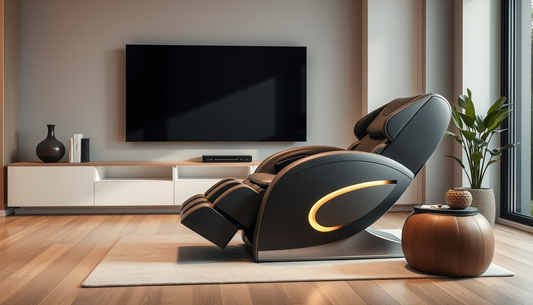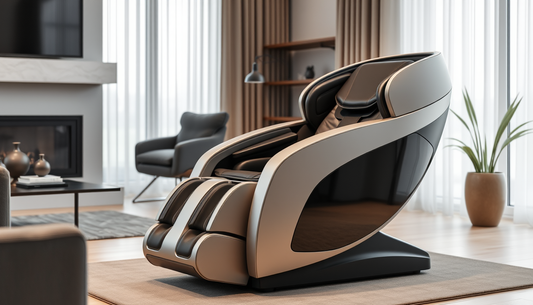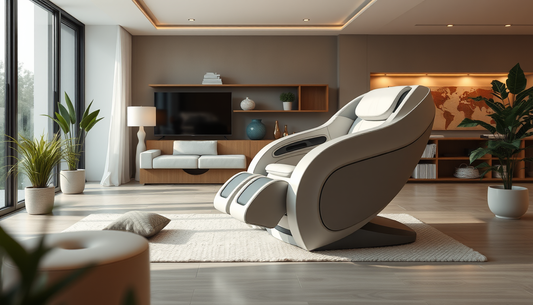
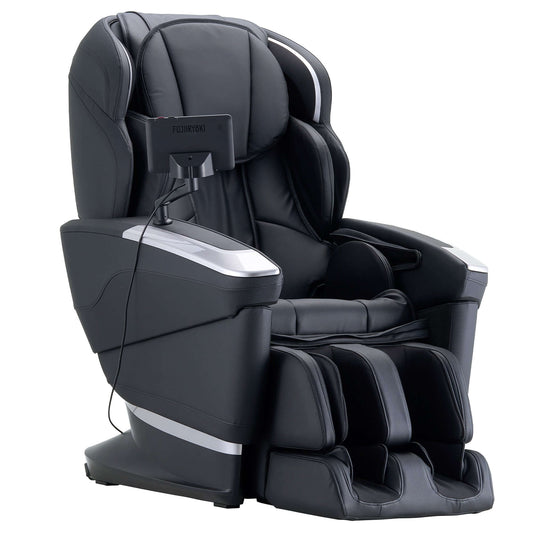
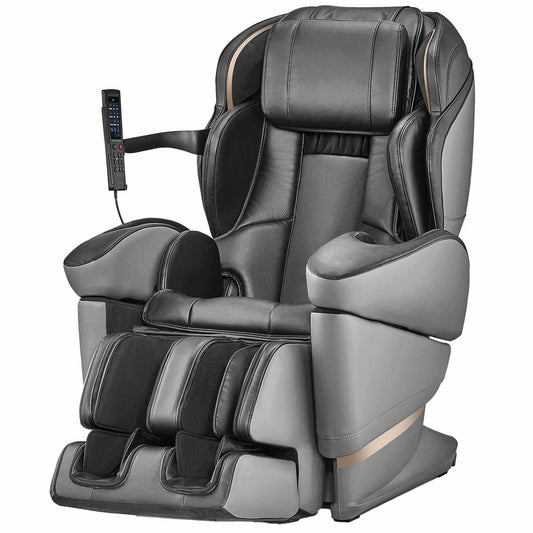
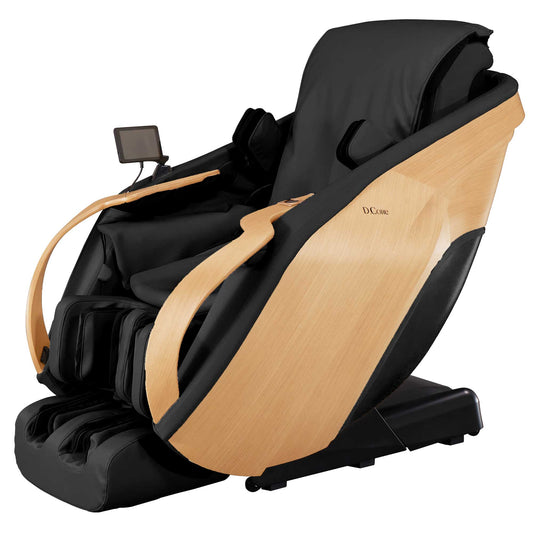
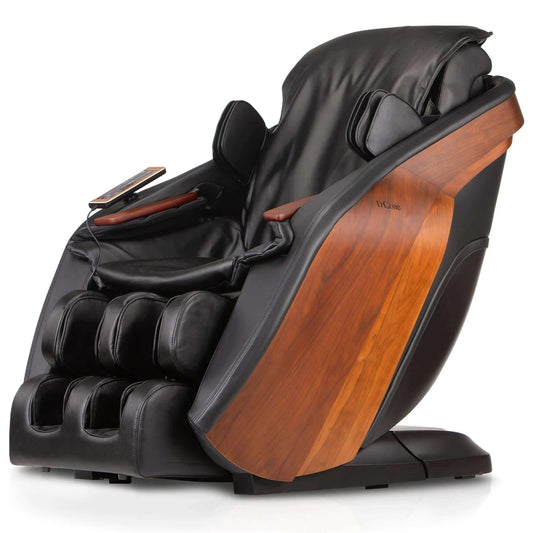
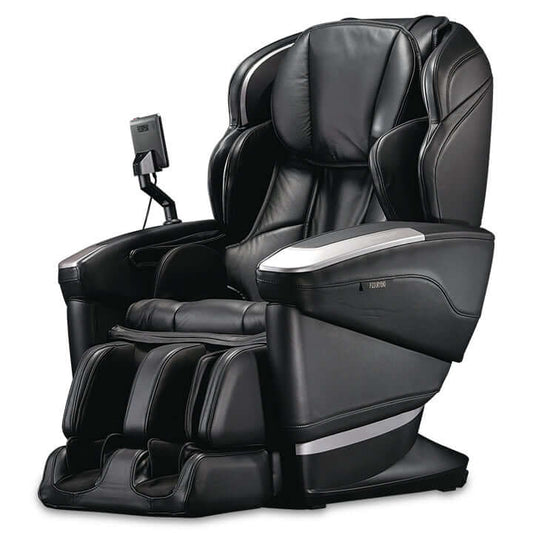

Fujiiryoki 마사지 의자 기술 공개: 전신 건강을 위한 발목부터 머리까지(스웨덴식, 지압, 심층 조직, 반사요법, 지압, 주무름) 표적 완화를 위한 시각적 슬라이드 데크 가이드
집에서 전신 완화를 위해 따라갈 수 있는 시각적 슬라이드 데크로 설계된 Fujiiryikki 마사지 의자 기술에 대한 더 깊고 긴 탐구에 오신 것을 환영합니다. 이 확장된 가이드는 핵심 양식을 확장하고 이를 발목에서 머리까지 모든 주요 관절 및 부위에 맞게 조정합니다. 트리거 포인트 전략을 사용하여 스웨덴식, 지압, 심층 조직, 반사요법, 지압 및 주무르기를 결합하여 혈액 순환을 촉진하고, 피로를 풀고, 경직을 완화하고, 몸 전체의 장기적인 건강을 지원하는 세션을 관리할 수 있습니다.
슬라이드 데크 컨셉: 발목부터 머리까지
이 가이드를 세션 중에 스크롤할 수 있는 살아있는 슬라이드 데크라고 생각하십시오. 각 섹션에서는 기술, 그것이 도움이 되는 주요 신체 부위, 예상되는 결과 및 편안함과 결과를 극대화하는 실용적인 단서를 제시합니다. 목표는 여러 양식을 하나의 타겟 경험으로 혼합하는 응집력 있는 루틴입니다.
발목부터 머리까지 신체 표적 부위
- 발목
- 송아지
- 발
- 힐
- 무릎
- 다리
- 허벅지
- 뒤로
- 목
- 어깨
- 손목
- 손
- 머리
- 전신
각 영역은 하나 이상의 기술과 결합될 수 있어 발목 긴장부터 머리 완화까지 개인화된 경로를 허용합니다. 선택한 순서는 퇴근 후 긴장을 풀거나 앞으로의 활동적인 하루를 준비하는 등 일상적인 필요에 맞게 조정할 수 있습니다.
전신 건강을 위한 핵심 마사지 기술
는 Fujiiryoki 시스템은 여러 양식을 하나의 몰입형 경험으로 혼합합니다. 다음은 이 가이드에 포함된 7가지 핵심 기술이며, 해당 기술이 다루는 내용과 이것이 전신 건강에 중요한 이유를 살펴봅니다.
스웨덴식 마사지: 부드러운 순환과 휴식
- 정의: 넓고 긴 스트로크와 글라이딩 동작으로 혈액과 림프 순환을 촉진하는 가볍고 중간 정도의 흐르는 기술입니다.
- 목표: 큰 근육 그룹에 중점을 둔 전신; 특히 다리, 등, 어깨, 팔에 효과적입니다.
- 이점: 스트레스 해소, 유연성 향상, 피로 해소 및 전반적인 휴식. 꾸준하고 진정되는 압력을 통해 조직 치료를 지원합니다.
심부 조직 마사지: 층화된 근육 방출
- 정의: 더 느리고 정확한 스트로크로 근육 섬유, 결합 조직 및 근막을 목표로 하는 더 깊고 집중적인 작업입니다.
- 목표: 등, 어깨, 목, 다리는 일반적으로 더 깊은 긴장을 유지합니다. 엉덩이와 허벅지 부위까지 확장될 수 있습니다.
- 이점: 부상 회복 지원, 운동 범위 개선, 만성 통증 완화, 더 깊은 조직으로의 혈류 강화.
유발점 마사지: 뭉친 근육과 관련 통증 완화
- 정의: 통증 주기를 방해하도록 설계된 근육 조직 내의 작고 과도하게 자극되는 지점에 집중적인 압력을 가합니다.
- 대상 : 옹이가 자주 쌓이는 등, 목, 어깨, 종아리, 다리.
- 이점: 급성 통증 완화, 근육 보호 감소, 대상 부위 전체의 기능적 이동성 향상.
지압: 전신 균형을 위한 지압점
- 정의: 전통적인 지압 경락을 따라 디지털 및 기계적 압력을 가하여 에너지 흐름과 조직 반응을 자극합니다.
- 목표: 전신 완화를 위한 머리, 목, 어깨, 등, 손, 발.
- 이점: 통증 완화, 스트레스 감소, 혈액 순환 개선, 균형 잡힌 에너지 흐름을 통한 활력 강화.
지압 마사지: 손가락 압력과 신체 활동의 만남
- 정의: 근육과 근막의 조화를 촉진하기 위해 손가락과 손바닥으로 압력을 가하고 리드미컬하게 반죽하는 일본식 기술입니다.
- 대상: 목, 어깨, 등, 엉덩이, 다리; 정렬 지원을 위해 척추 전체에 효과적입니다.
- 이점: 척추 정렬, 자세 개선, 근육 긴장 감소, 깊은 평온함.
반사 요법: 전신 건강을 위한 발 중심 경로
- 정의: 발의 반사 영역을 목표로 자극하여 먼 기관과 시스템에 영향을 줍니다.
- 목표: 다리와 몸통 및 머리까지 전신적 이점을 제공하는 주요 접근 지점인 발과 발목.
- 이점: 피로 완화, 혈액 순환 개선, 조직 치료 강화, 전반적인 웰빙 감각이 상쾌해집니다.
반죽: 진정하면서도 단단한 압력을 주는 질감 있는 작업
- 정의: 근육의 긴장을 풀어주기 위해 숙련된 손 마사지를 흉내내는 반복적인 원형 또는 선형 주무름입니다.
- 대상: 등, 어깨, 허벅지, 종아리, 팔; 프로그래밍에 따라 전신에 적응할 수 있습니다.
- 이점: 근육 치료, 유연성 향상, 여러 부위의 긴장과 뻣뻣함의 지속적인 완화.
전신 건강을 위한 통합 기술
이점을 극대화하려면 각 기술을 하나의 응집력 있는 루틴의 한 단계로 보십시오. 따뜻하게 하고 풀어주기 위해 스웨디시나 니딩으로 시작한 다음, 더 많은 긴장을 유지하는 부위에 트리거 포인트나 딥 티슈를 겹쳐 바르세요. 지압이나 지압을 사용하여 에너지 균형을 재조정하고 전신 스트레스를 완화하는 반면, 반사요법은 세션이 끝난 후 활력을 되찾고 발을 편안하게 하기 위해 예약할 수 있습니다. 의자의 적응형 매핑은 올바른 기술이 발목부터 머리까지 올바른 신체 부위에 적용되도록 보장하여 포괄적인 전신 웰빙 사이클을 만듭니다.
한 눈에 보는 혜택: 얻을 수 있는 것
- 혈류 조절 및 순환 강화
- 피로 완화 및 회복 회복
- 관절과 조직 전반의 유연성 향상
- 부상 회복 지원 및 안전한 조직 치료
- 긴장과 긴장을 위한 근육 치료
- 대상 지역 전체의 통증 완화
- 척추 정렬 및 자세 지원
- 스트레스 해소 및 정신적 이완
가정에서 사용할 수 있는 실용적인 팁
- 다양한 혜택을 누릴 수 있도록 매일 다른 기술에 초점을 맞춰 매일 20~30분 세션을 계획하세요.
- 루틴을 신체 부위 목록에 매핑하십시오. 발목에서 시작하여 종아리, 무릎, 허벅지, 등, 목, 어깨, 팔, 머리를 거쳐 진행하십시오.
- 반죽 및 심부 조직 작업 중 근육 유연성을 향상시키기 위해 가능한 경우 열 요법을 사용하십시오.
- 어떤 기술과 대상 영역이 가장 큰 완화 효과를 주는지에 대한 간단한 기록을 유지하고 이에 따라 세션을 조정하십시오.
루틴 디자이너: 샘플 재택 계획
이 템플릿을 사용하여 목표에 맞게 세션을 맞춤화하세요. 각 계획은 20~30분의 기간을 가정하며 원할 경우 더 긴 세션에 맞게 조정될 수 있습니다.
- 휴식 및 스트레스 해소 계획 - 큰 근육 그룹에 대한 스웨덴식으로 시작하고, 목과 어깨에 지압 및 지압을 적용하고, 발에 반사 요법을 마무리합니다.
- 이동성 및 유연성 계획 - 등과 다리의 주무르기 및 심부 조직으로 시작하고 긴장이 지속되는 부위에 트리거 포인트를 적용한 후 팔다리를 가볍게 스웨덴식으로 쓸어 넘기는 것으로 끝납니다.
- 부상 예방 및 회복 계획 – 등과 엉덩이의 심부 조직과 통증 유발점의 구조화된 주기, 시스템 균형을 위한 지압 추가, 긴장을 풀기 위해 부드러운 스웨덴어로 마무리합니다.
결과 극대화를 위한 고급 팁
- 적절한 수분 공급과 함께 세션을 병행하여 조직 수분 공급을 지원하고 대사 부산물을 씻어내세요.
- 일관된 의자 설정과 좌석 자세를 유지하여 모든 구역에 압력이 고르게 분산되도록 하세요.
- 인내심과 편안함이 향상됨에 따라 점차적으로 강도와 지속 시간을 늘리십시오.
- 슬라이드 데크 모델을 사용하여 진행 상황을 추적하고 누적 혜택을 위해 몇 주에 걸쳐 루틴을 조정하세요.
이 슬라이드 데크 접근 방식이 전신 건강에 효과적인 이유
신체는 안도감이 분산되지 않고 누적될 때 가장 잘 반응합니다. 발목에서 다리, 등, 목, 머리를 거쳐 이동하는 잘 설계된 시퀀스는 자연스러운 움직임을 반영하고 혈액 순환, 근육 균형 및 신경계 조절의 꾸준한 개선을 지원합니다. Fujiiryoki 의자는 사용자의 고유한 요구 사항과 일상에 맞게 조정할 수 있는 적응형 매핑, 다양한 양식, 프로그래밍 가능한 시퀀스를 통해 이러한 접근 방식을 강화합니다.
안전 및 실제 고려 사항
항상 몸의 소리에 귀를 기울이고 필요에 따라 조정하십시오. 마비, 따끔거림, 날카로운 통증이 나타나면 강도를 줄이거나 특정 기술을 건너뛰고 불편함이 지속되면 전문가와 상담하세요. 짧은 세션부터 시작하여 편안함이 허용하는 대로 점차적으로 세션을 확장하세요. 모든 대상 영역과의 효과적인 접촉을 최대화하려면 의자가 키와 다리 길이에 맞게 적절하게 조정되어 있는지 확인하십시오.
자주 묻는 질문
- 사용할 수 있나요? Fujiiryoki 매일 안마의자
- 안마의자를 처음 접한다면 어떤 기술부터 시작해야 할까요?
- 최상의 결과를 얻으려면 주간 루틴을 얼마나 오래 지속해야 합니까?
- 심부 조직 세션에는 온열 요법이 권장됩니까?
- 마사지 의자가 만성 질환에 대한 전문적인 치료를 대체할 수 있습니까?
결론: 전신 건강을 향한 시각적 경로
Fujiiryoki 마사지 의자는 발목부터 머리까지 목표로 하는 완화에 대한 풍부한 슬라이드 데크 스타일 접근 방식을 제공합니다. 지능형 시스템 내에서 스웨덴식, 심층 조직, 통증유발점, 지압, 지압, 반사 요법 및 반죽을 결합함으로써 신체의 모든 주요 부위에 영향을 미치고 순환 및 피로 완화부터 척추 정렬 및 스트레스 감소에 이르기까지 모든 혜택을 지원하는 전체적인 루틴을 얻을 수 있습니다. 각 세션을 잘 계획된 웰니스 여정의 한 단계로 여기면 의자가 단순한 장치가 아니라 전신 웰니스를 위한 일상적인 연습이 됩니다.
태그:
이전의
Fujiiryoki 슬라이드 데크: 표적 마사지 기술(스웨덴식, 지압, 심부 조직, 반사요법, 지압) 및 전신 건강을 위한 발목부터 손목까지의 이점
다음
Fujiiryoki 마사지 의자 기술: 전신 건강을 위한 스웨덴식, 지압, 심부 조직, 반사요법, 지압 및 주무름에 대한 발표자 스타일 심층 분석(발목부터 머리까지)