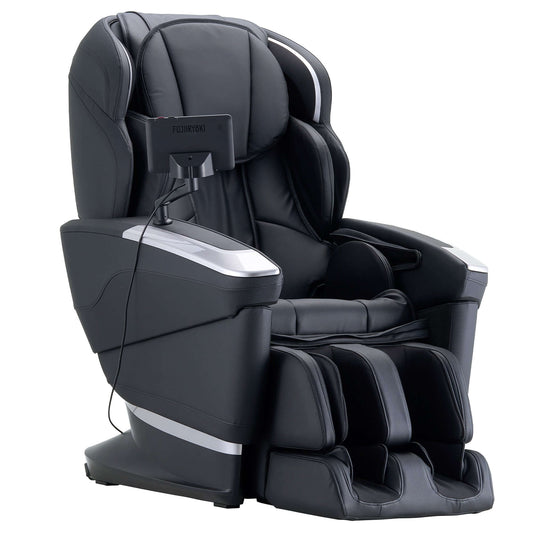
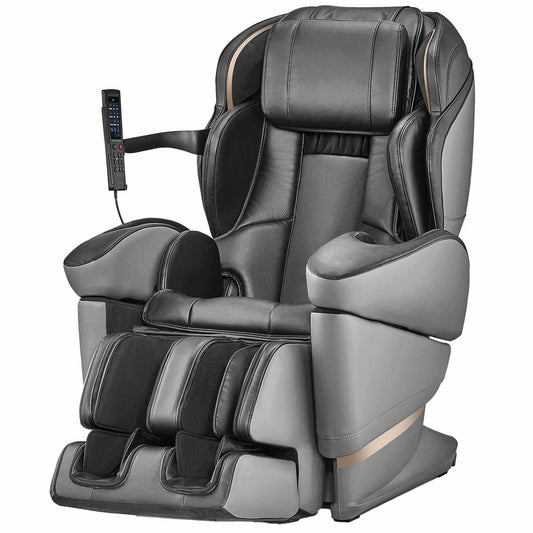
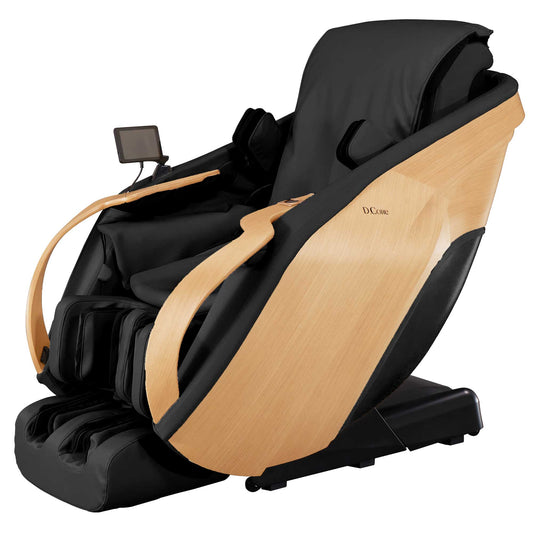
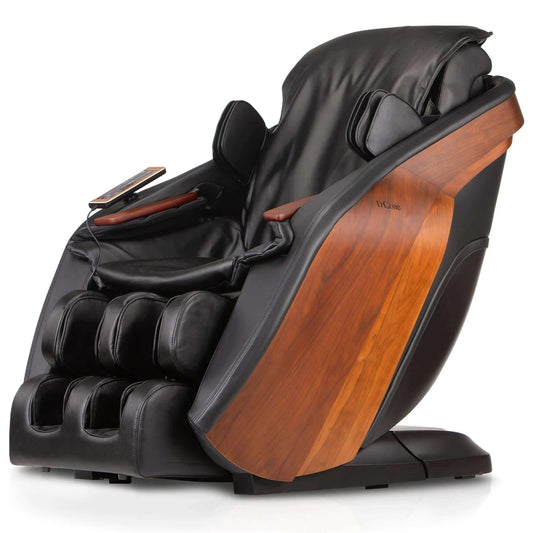
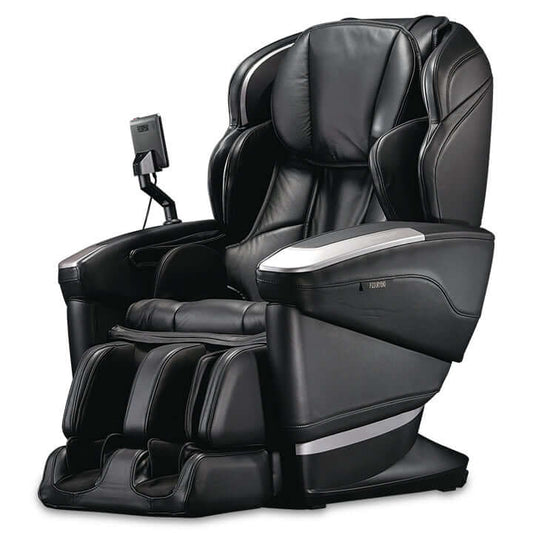
Synca Massage Chairs Presentation Kit: Map Swedish, Shiatsu, Deep‑Tissue & Reflexology to Ankles, Neck, Back and Whole‑Body Therapeutic Benefits
Introduction: The Complete Synca Presentation Kit
This expanded presentation kit is built to help product teams, sales reps, wellness educators, and clinical partners communicate how Synca massage chairs translate professional massage techniques into reproducible, chair‑based programs with targeted therapeutic benefits. It maps each massage technique to specific body parts (ankle, neck, back, feet, hands, heel, knee, calf, thigh, wrist, shoulder and whole body) and links those to measurable outcomes such as pain relief, improved circulation, stress reduction and recovery support.
Why This Kit Matters
- Provides a repeatable framework for in‑store demos and online content that converts.
- Helps non‑clinical audiences explain therapeutic benefits without overstepping into medical advice.
- Improves SEO by aligning product features, user intent and targeted keywords into consumable content pieces.
What You Get in This Document
- Detailed technique profiles for Swedish, Shiatsu, Deep‑Tissue, Trigger Point, Acupressure, Reflexology and Kneading.
- Expanded body‑part mapping with settings, program recommendations and session protocols.
- Slide‑by‑slide presentation blueprint with speaker notes and visual suggestions.
- SEO and content strategy checklist for ranking pages, including meta tag examples and internal linking ideas.
- Safety guidance, contraindications, performance KPIs and demo scripts.
SEO & Messaging Strategy for Synca Massage Chairs
To achieve strong organic visibility, structure pages and presentation copy around user intent. Create distinct assets that target informational and commercial queries.
- Primary SEO keywords to prioritize: synca massage chair, Synca chair, Swedish massage chair program, shiatsu massage chair, deep tissue massage chair, reflexology chair, neck pain massage chair.
- Long‑tail and intent keywords: best massage chair for back pain, foot reflexology program synca, massage chair for ankle swelling, massage chair benefits for athletes.
- Content types: product demo pages, technique explainers, body‑part problem pages (eg, 'massage chair for neck stiffness'), FAQ pages, comparative guides and video demos.
- On‑page structure: H1 with primary keyword, multiple H2s for each technique and body part, bulleted lists for readability, internal links to product pages and support resources, schema markup for product and FAQ.
Comprehensive Technique Profiles
Below are deeper explanations and how Synca features emulate each technique.
Swedish Massage
- Description: Gentle, long strokes, kneading and friction to promote circulation and relaxation across superficial muscle layers.
- Synca implementation: broad roller travel, sweeping glide patterns, adjustable speed and light air compression to simulate therapist hands.
- Therapeutic targets: stress relief, improved blood flow control, reduced muscle tension, enhanced flexibility.
- Best used for: recovery days, general relaxation, warming muscles prior to deeper work.
Shiatsu Massage
- Description: Compressed, finger‑pressure style work along energy meridians and acupressure points to rebalance and relieve tension.
- Synca implementation: pinpoint roller pressure, vertical travel that targets spine and shoulders, alternating pause and hold cycles combined with heat.
- Therapeutic targets: spine alignment cues, deep relaxation, symptom reduction for tension headaches and neck pain.
- Best used for: targeted whole‑body balance, deeper relaxation than Swedish alone, energy restoration.
Deep‑Tissue Massage
- Description: Slow, firm strokes to reach deeper muscle layers and break up adhesions and scar tissue.
- Synca implementation: higher intensity roller settings, focused lumbar and shoulder programs, slower roller speed with increased depth.
- Therapeutic targets: chronic muscle tension, injury recovery support, persistent back and shoulder pain.
- Best used for: brief targeted sessions focused on problem areas; follow with lighter Swedish to aid recovery.
Trigger Point Massage
- Description: Localized pressure applied to knots or hyperirritable spots to reduce referred pain and restore normal muscle function.
- Synca implementation: spot targeting, short high‑pressure holds, pause and release patterns, user‑selected focal points.
- Therapeutic targets: immediate pain relief in specific spots, improved joint mobility, reduction in referred pain patterns.
- Best used for: neck knots, mid‑back trigger points, shoulder tightness related to desk work.
Acupressure
- Description: Sustained pressure on specific points believed to affect organs and systemic balance, used for symptom management and relaxation.
- Synca implementation: airbags for gentle compression, sequential pressure programs that mimic hands pressing and releasing, integrated foot rollers for lower limb points.
- Therapeutic targets: stress reduction, balanced circulation, improved sleep and digestive comfort when used adjunctively.
- Best used for: calming routines, sleep preparation and low‑intensity therapy for sensitive users.
Reflexology
- Description: Pressure applied to reflex zones on feet and hands to influence corresponding body systems.
- Synca implementation: specialized foot rollers with zone mapping, heel focus, alternating rhythms to stimulate reflex zones.
- Therapeutic targets: fatigue relief, improved peripheral circulation, whole‑body relaxation response.
- Best used for: end‑of‑day programs, recovery for people who stand often, supplemental therapy for systemic relaxation.
Kneading
- Description: Circular, lifting and rolling motions that separate muscle fibers, reduce adhesions and enhance tissue pliability.
- Synca implementation: multi‑directional rollers performing rhythmic knead cycles, combined with airbag compression to emulate therapist fingers.
- Therapeutic targets: flexibility improvement, tissue therapy, preparation for deeper work.
- Best used for: calves, thighs, shoulders and mid‑back routines where mobility and soft tissue release are priorities.
In‑Depth Body‑Part Mapping
For each target area, this section details anatomy context, common complaints, recommended Synca techniques, suggested settings and measurable outcomes. Use these as slide notes or handouts during demos.
Neck
- Anatomy and common issues: cervical spine, trapezius and levator scapulae; common complaints include stiffness, tension headaches and reduced range of motion.
- Recommended techniques: shiatsu for point pressure, trigger point for knots, Swedish for warming and circulation.
- Synca settings: low to medium intensity, targeted neck travel, heat low‑to‑moderate, roller pause & release for trigger relief.
- Session protocol: 10–15 minute focused neck routine within 20–30 minute program, alternate deep and light strokes to prevent soreness.
- Measurable outcomes: improved neck rotation and side bending ROM, reduced self‑reported pain scores, fewer tension headaches reported over several weeks.
Back (Upper & Lower)
- Anatomy and common issues: thoracic and lumbar regions, paraspinals, erector spinae and associated fascia; complaints include chronic low back pain, upper back tightness, posture‑related discomfort.
- Recommended techniques: deep‑tissue for lumbar adhesions, kneading for muscle relaxation, shiatsu for spinal alignment cues.
- Synca settings: high‑depth lumbar rollers, zero‑gravity to decompress, intermittent heat to support tissue pliability, spot targeting for chronic points.
- Session protocol: 15–25 minute focused sessions; pair deep work with post‑session light Swedish to improve circulation and promote recovery.
- Measurable outcomes: decreased pain intensity scores, improved standing/sitting posture metrics, greater trunk flexion and extension ROM.
Whole Body
- Scope: coordinated programs that address neck, back, shoulders, arms, hips, legs and feet in a single session.
- Recommended techniques: Swedish for general coverage, shiatsu integrated for balance, reflexology for systemic response, airbags for limb compression.
- Synca settings: full‑program mode, synchronized airbags, moderate heat across lumbar and calf areas, progressive intensity that warms then targets.
- Session protocol: 20–40 minute restorative session; ideal for stress relief and post‑work recovery routines.
- Measurable outcomes: improved sleep scores, reduced perceived stress, quicker recovery from light exercise, better subjective well‑being.
Feet, Heel, Ankle
- Anatomy and common issues: plantar fascia, Achilles tendon, ankle joint; complaints include plantar heel pain, fatigue from prolonged standing, mild swelling.
- Recommended techniques: reflexology for zone stimulation, kneading for plantar fascia, acupressure for ankle points.
- Synca settings: precision foot rollers, heel focus modes, adjustable foot pressure and warm foot therapy when available.
- Session protocol: 10–20 minutes focused foot program; combine with leg compression for venous return benefits.
- Measurable outcomes: reduced foot fatigue scores, improved walking comfort, decreased subjective heel pain.
Calf, Thigh, Knee, Legs
- Anatomy and common issues: gastrocnemius, soleus, quadriceps, hamstrings, knee joint; complaints include post‑exercise soreness, delayed onset muscle soreness (DOMS), tight IT bands.
- Recommended techniques: kneading for muscle pliability, deep‑tissue for stubborn tightness, Swedish for general circulation; airbags for calf compression.
- Synca settings: calf airbags intensity, rolling knead for thighs, elevated leg position if supported, moderate heat options.
- Session protocol: 10–20 minute leg focus within full session; athletes may use shorter, more intense sessions pre/post workout.
- Measurable outcomes: reduced muscle soreness, improved subjective recovery, improved flexibility in hamstrings/quads.
Hands, Wrist
- Anatomy and common issues: small intrinsic hand muscles, wrist flexors and extensors; complaints include repetitive strain, mild carpal discomfort.
- Recommended techniques: acupressure, trigger point, gentle kneading.
- Synca settings: hand chambers or gentle air compression, low‑intensity localized pressure to the palm and wrist.
- Session protocol: short 5–10 minute hand/wrist focus; best combined with neck/shoulder work for desk workers.
- Measurable outcomes: improved hand comfort, decreased perceived stiffness and improved task endurance.
Shoulder
- Anatomy and common issues: rotator cuff, deltoid, trapezius; complaints include frozen shoulder sensations, tension causing headaches.
- Recommended techniques: deep‑tissue for tight rotators, trigger point for knots, kneading for increased mobility.
- Synca settings: shoulder airbags, spot targeting, medium to firm rollers, integrated neck support.
- Session protocol: 10–15 minute shoulder focus as part of full program; pair with neck release sequences.
- Measurable outcomes: increased overhead reach, reduced shoulder pain during daily activities, fewer tension headache episodes.
Head
- Anatomy and common issues: tension related to suboccipital muscles, trigeminal nerve sensitization from jaw/neck tension; complaints include tension headaches and mental fatigue.
- Recommended techniques: indirect shiatsu cues via neck/upper back, gentle acupressure at occipital base and temple stimulation (simulated through neck/shoulder patterns).
- Synca settings: low intensity, calming rhythms, combine with breathing prompts and a relaxation script for maximum effect.
- Session protocol: incorporate calming head/neck transition in 5–10 minutes near program end to promote parasympathetic activation.
- Measurable outcomes: reduction in headache frequency/intensity, improved relaxation scores.
Heel
- Focus: plantar heel pain and Achilles tension; closely related to foot protocols and reflexology.
- Recommended techniques: focused heel rollers, kneading and reflexology zones targeting the plantar fascia insertion.
- Synca settings: heel zoom modes with localized pressure reduction after initial release to avoid irritation.
- Measurable outcomes: decreased morning heel pain and better walking comfort.
Knee
- Anatomy and common issues: patellofemoral discomfort, post‑exercise soreness, early osteoarthritic symptoms in some users.
- Recommended techniques: gentle kneading, air compression for surrounding tissues, avoid high direct deep pressure on acutely inflamed knees.
- Synca settings: moderate leg air compression, avoid aggressive rollers on the knee joint itself; focus on surrounding muscle relaxation.
- Measurable outcomes: less joint stiffness on waking, better mobility after sessions when combined with strengthening/rehab programs.
Thigh
- Anatomy and common issues: quadriceps and hamstrings tightness from sitting or sports; cramping in some populations.
- Recommended techniques: kneading, deep‑tissue selectively, Swedish for warming.
- Synca settings: rolling knead patterns along parallel paths, variable intensity, heat to support deeper release.
- Measurable outcomes: improved flexibility, reduced cramping episodes and faster recovery after workouts.
Wrist
- Anatomy and common issues: repetitive strain, mild tendonitis from repetitive tasks.
- Recommended techniques: acupressure, gentle kneading, light trigger point work for forearm muscles that refer to the wrist.
- Synca settings: hand chamber compression and low pressure pulses focused on the palm and distal forearm.
- Measurable outcomes: reduced discomfort during typing and improved endurance for fine motor tasks.
Evidence & Clinical Considerations
General massage literature supports benefits for localized pain relief, improved circulation, reduced muscle tension and stress relief when protocols are applied consistently. When presenting, cite generalized evidence that massage modalities can help with circulation and muscle recovery, and encourage customers to consult healthcare providers for medical conditions. Avoid claiming the chair cures specific diseases.
Slide‑By‑Slide Presentation Blueprint (Expanded)
Use this as a 20–30 slide deck outline with speaker notes and visual suggestions.
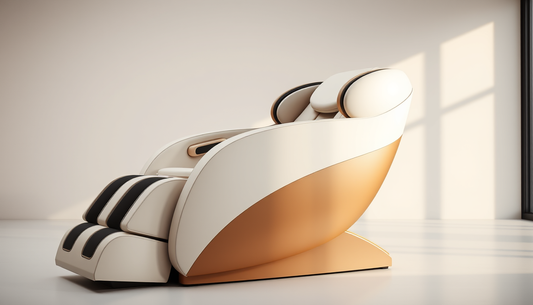
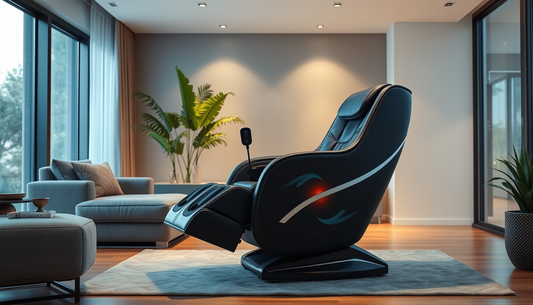
- Slide 1: Title slide — Synca Massage Chairs Presentation Kit. Visual: high‑quality hero image of the chair in a calm environment.
- Slide 2: Agenda — what attendees will learn (techniques, body mapping, demo, safety, ROI).
- Slide 3: Quick map visual — one graphic linking techniques to body parts to benefits.
- Slide 4–10: Technique deep dives — one slide per technique with short bulleted protocols and Synca features highlighted.
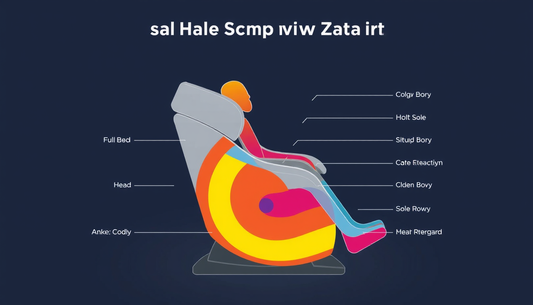
- Slide 11–24: Body‑part slides — one slide per major body part with recommended programs, settings and outcome KPIs. Visual: annotated body outline showing where rollers and airbags act.
- Slide 25: Demo plan — recommended presets and order for a 10/20/30 minute demo; speaker notes on pacing and user prompts.
- Slide 26: Case studies or sample testimonials — de‑identified customer stories with measurable outcomes.
- Slide 27: Safety & contraindications — clear guidance and referral to healthcare professionals.
- Slide 28: Troubleshooting and common objections — examples: 'I don't like deep pressure', 'I have sensitive feet'. Provide ready responses.
- Slide 29: Maintenance & warranty highlights — how to keep chairs clean and serviced to maintain performance.
- Slide 30: Call to action — schedule a demo, retailer locator, trade program sign up.
Speaker Notes & Demo Scripting (Expanded)
Deliver consistent messaging and a compelling sensory experience.
- Opening: Briefly describe how Synca translates therapist techniques into chair programs; focus on outcomes rather than technology alone.
- Show, don't tell: During the demo, invite a volunteer to sit and narrate the program steps as it runs — explain sensation, technique being emulated and expected benefit.
- Highlight customization: demonstrate spot targeting and intensity adjustment; show how quick changes adapt the chair to body size and tolerance.
- Close with measurement: ask volunteer to rate pain and relaxation before and after; present simple KPIs to show immediate perceived benefit.
Session Protocols by User Persona
Create quick presets or recommended session flows tailored to common users.
- Office worker (neck/shoulder tension): 20 minutes — gentle Swedish warm up, targeted trigger point on neck and shoulders, shoulder airbags, foot reflexology finish.
- Athlete (post workout recovery): 25 minutes — warm Swedish, deep‑tissue legs and thighs, calf compression, short foot reflexology, 5 minutes of light Swedish to flush muscles.
- Sensitive or senior users: 15 minutes — low intensity Swedish, light acupressure, extended rest and breathing cues; avoid deep‑tissue and aggressive spot targeting.
- Frequent travelers (jet lag/fatigue relief): 30 minutes — whole‑body Swedish, lymphatic compression sequences via airbags, foot reflexology for systemic relaxation.
Measuring Benefits: KPIs & Tracking
- Subjective measures: pre/post pain scale (0–10), stress scale, sleep quality rating, perceived fatigue.
- Functional measures: neck rotation degrees, sit‑and‑reach for hamstrings, single leg balance for lower limb stability.
- Usage metrics: session length, frequency per week, program types most used; use data to refine presets for customer segments.
- Collect testimonials with permission and quantify improvements (eg, 'reduced neck pain by 40% after 4 weeks').
Objection Handling: Common Questions and Suggested Responses
- Q: Is it safe for everyone? A: Most healthy adults can use a chair safely; for acute injuries, pregnancy, implanted medical devices or uncontrolled cardiovascular conditions, consult a healthcare provider first.
- Q: Will it replace a therapist? A: It complements massage therapy and provides consistent home care; for hands‑on manual therapy needs, professional therapists remain essential.
- Q: Can it help chronic back pain? A: Many users report meaningful symptom relief when used consistently; encourage trial sessions and discussion with clinicians for severe conditions.
Safety, Contraindications & Best Practices (Expanded)
- Contraindications: acute injury, active infection, open wounds, recent fractures, uncontrolled deep vein thrombosis, certain cardiovascular conditions and some implantable devices. Always advise clinical consultation when in doubt.
- Pregnancy: mention that pregnant users should consult their obstetrician. Use low intensity and avoid direct abdominal pressure if pregnancy use is allowed by provider guidance.
- Start slow: emphasize starting with low intensity and short session lengths for new users and gradually increasing as tolerated.
- Monitor skin and circulation: discontinuation recommended if any numbness, tingling, increased pain or unusual symptoms occur.
Case Study Examples (Template for Retail Use)
- Case study 1: Office worker with chronic neck tension — baseline pain 6/10, used targeted neck/shoulder presets 3x/week; after 4 weeks pain reduced to 3/10 and reported fewer headaches.
- Case study 2: Amateur runner with calf tightness — used athlete preset post‑run; after 3 weeks reported reduced DOMS and more comfortable morning runs.
- Use these as anonymized testimonials in presentations with timeframe, program, frequency and measured result.
Maintenance, Care & Warranty Highlights
- Daily/weekly: wipe down upholstery with recommended cleaners; keep rollers and foot wells free of debris.
- Monthly: inspect air hoses and connections, check for firmware updates via Synca support portal if available.
- Warranty talking points: highlight length of warranty, what is covered (mechanical parts, electronics) and typical service timelines for repairs.
Content & SEO Checklist for Landing Pages and Slides
- Meta title example: Synca Massage Chairs: Swedish, Shiatsu, Deep‑Tissue & Reflexology for Neck, Back & Whole‑Body Benefits
- Meta description example: Discover how Synca massage chairs map professional techniques to ankles, neck, back and whole‑body benefits. Program guides, demo scripts and safety tips included.
- URL structure: /synca‑massage‑chairs/techniques‑and‑benefits or /products/synca‑massage‑chair/techniques
- Heading strategy: H1 product title, H2 for each technique and body part, H3 for settings and program names if applicable.
- Image alt text suggestions: 'synca massage chair shiatsu neck program', 'foot reflexology rollers synca', 'deep tissue lumbar rollers synca'.
- Internal linking: link to product pages, support manuals, demo scheduling page and clinician resources.
- Schema suggestions: product, FAQ, how‑to and review schema where appropriate to boost SERP features.
Visual Assets & Slide Design Tips
- Use annotated imagery: overlay lines showing roller paths and airbag zones; color code by technique (eg, blue for Swedish, red for deep‑tissue).
- Short videos: 20–40 second clips per technique showing chair in use — great for social and product pages.
- Comparative charts: show which techniques are best for which body parts and list program names beside each for quick reference.
- Icons: use simple icons for benefits such as pain relief, blood flow, flexibility, stress relief to aid quick scanning.
FAQ Section (Expanded)
- How often should I use the chair? Answer: Most users benefit from 3–5 short sessions per week; beginners may start with 2–3 moderate sessions and adjust based on comfort.
- Will it help serious injuries? Answer: Chairs can support recovery as part of a broader plan, but acute or severe injuries should be evaluated and treated by healthcare professionals first.
- Do the chairs require maintenance? Answer: Yes — follow recommended cleaning and inspection schedules and register for warranty and support.
Closing: How to Turn This Kit into Sales and Content Wins
- Use the quick map on landing pages and in store materials to help buyers find the program that matches their need.
- Create segmented demo experiences: one for pain relief seekers, one for relaxation buyers and one for athletic recovery—each with different KPIs and call to action.
- Collect and share measurable results to build trust: even simple pre/post pain score charts elevate credibility in sales conversations.
- Keep safety clear and conservative: always pair therapeutic claims with an encouragement to consult medical professionals for serious conditions.
Final Notes and Resources
This extended presentation kit is intended to be a living document. Update it with customer data, new chair firmware or feature changes and anonymized case studies to keep demos fresh and search rankings strong. For slide decks, adapt the structure above to match your brand voice and regional regulatory guidance.
Ready to convert this into a slide deck, printable handout or lead magnet? Use the body‑part slides as individual PDFs for targeted campaigns (eg, 'Neck Relief Guide'), record short demo videos for each persona, and implement the SEO checklist on product category pages to maximize organic traffic and conversions.
Tags:
Previous
Mastering Targeted Massage Techniques & Benefits for Fujiiryoki Chairs: Complete Guide to Whole Body Wellness in 2026
Next
Comprehensive Insights into Fujiiryoki Massage Chairs: Targeted Techniques and Therapeutic Benefits for Full-Body Wellness in 2026