
Fujiiryoki Massage Chairs in Focus: A Presenter-Style Blueprint of Swedish, Shiatsu, Deep Tissue, Reflexology, and More for Whole-Body Wellness
In this extended, presenter-style blueprint, we explore Fujiiryoki massage chairs and how they translate traditional modalities into a holistic wellness system for the whole body. The aim is to help you understand which program to run, what body parts to target, and how the chair’s integrated features deliver measurable benefits for daily life, workouts, and recovery. This guide is designed for readers who want both a practical understanding and actionable steps to implement Fujiiryoki therapy at home or in a clinical setting.
Overview: Fujiiryoki's Approach to Whole-Body Wellness
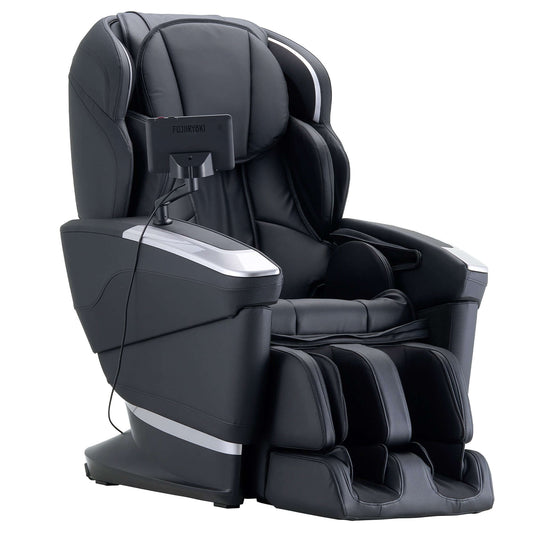
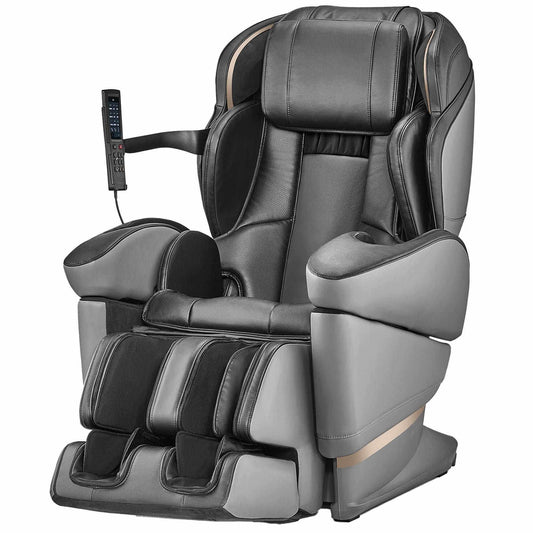
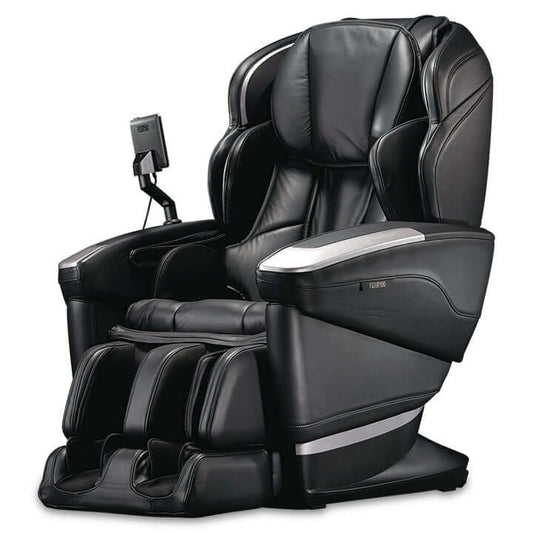
Fujiiryoki chairs are engineered to mimic hands-on therapy across multiple zones of the body. The core philosophy centers on personalizeable, multi-zone coverage that can be tuned to your posture, tension patterns, and activity level. Expect a combination of rollers, airbags, heat therapy, and smart sensing that work together to deliver a cohesive, programmatic experience rather than a one-size-fits-all session.
- Multi-zone coverage that targets the back, legs, arms, neck, and feet with synchronized motion
- Adaptive intensity settings to scale pressure from gentle to deep
- Smart sensors and presets that tailor programs to your body, reducing guesswork
- Thermal elements and air compression to boost relaxation and circulation
- Session memory and adjustable ramping help you build a consistent wellness routine
Technology and Design Highlights
The engineering behind Fujiiryoki chairs blends ergonomic science with therapeutic principles. Key components include precision rollers that replicate long strokes and targeted kneading, adjustable airbags that compress in zones to support lymphatic flow, heat modules to soften tissue, and responsive sensors that modulate intensity in real time. The result is a chair that can shift from a gentle cradle to a deep-tissue session without jolts, maintaining safety and comfort across users of different sizes and needs.
- 3D or 4D roller systems for nuanced depth and breadth of massage
- Adaptive airbags that contour to your trunk, hips, legs, and feet
- Integrated heat for tissue pliability and muscle relaxation
- Breathing-guided cues and synchronized movement for a relaxing, studio-like flow
- Smart calibration that respects body shape, posture, and pressure tolerance
Technique Spotlight: Swedish Massage
Swedish massage in a Fujiiryoki chair emphasizes broad, gliding strokes designed to warm up tissue, improve circulation, and reduce stress. It serves as the foundational layer for most programs and can be used as a prelude to deeper work or as a standalone relaxation sequence.
- What to expect: long, flowing strokes that travel along the spine and down the limbs
- Where it targets: back, upper arms, thighs, calves, and feet
- Benefits: relaxation, improved circulation, and a gentle precursor to deeper modalities
- Chair notes: adjustable tempo and pace replicate a skilled hand; ideal after a long day
Presenter’s takeaway: Begin with Swedish massage to prime the muscles, then layer in targeted work to address specific tension patterns.
Technique Spotlight: Deep Tissue Massage
Deep tissue work targets the deeper muscle layers and fascia, addressing chronic tightness, adhesions, and post-exercise soreness. Fujiiryoki chairs deploy precise point-pressure patterns, slower cycles, and localized intensity controls to reach deep structures safely.
- What to expect: focused pressure on knots and persistent tension pockets
- Where it targets: neck and shoulders, middle and lower back, hamstrings, calves
- Benefits: relief from stiffness, improved range of motion, faster recovery
- Chair notes: start with moderate intensity and increase gradually to avoid overstimulation
Presenter’s takeaway: For desk workers or athletes, deep tissue sessions dramatically reduce knots and support posture alignment over time.
Technique Spotlight: Trigger Point Massage
Trigger point therapy focuses on hyperirritable spots that can radiate pain. Fujiiryoki programs incorporate pinpoint pressure to release these points, reducing referred pain and restoring functional movement.
- What to expect: precise, localized pressure on identified trigger zones
- Where it targets: shoulders, upper back, hips, and legs where knots commonly form
- Benefits: reduced pain sensitivity, improved muscle function, quicker recovery from overuse
- Chair notes: high-definition point pressure can feel intense; communicate comfort levels to tailor the session
Presenter’s takeaway: Use trigger point modules after a general relaxation pass to maximize release without overdoing tissue exposure.
Technique Spotlight: Acupressure
Acupressure-inspired programs apply controlled pressure to meridian points that align with energy flow and well-being. The chair orchestrates rhythmic compression with rolling actions to mimic traditional acupressure techniques.
- What to expect: precise pressure along key points, often synchronized with breathing cues
- Where it targets: neck, shoulders, back, soles of the feet
- Benefits: balanced energy, reduced stiffness, heightened sense of vitality
- Chair notes: some users may feel a warm or tingly sensation as pressure points release
Presenter’s takeaway: Acupressure programs are especially effective for stress relief and an overall sense of restoration.
Technique Spotlight: Shiatsu Massage
Shiatsu combines finger-pressure and palm-work along meridian lines. Fujiiryoki recreates this with rollers and targeted compression that deliver thumb-like and finger-like pressures, addressing tension along the spine and major muscle groups.
- What to expect: rhythmic, point-focused presses that feel like human thumbs
- Where it targets: back, neck, shoulders, calves
- Benefits: improved spinal alignment, deep relaxation, enhanced circulation
- Chair notes: Shiatsu programs can be deeply soothing; adjust intensity for comfort
Presenter’s takeaway: Shiatsu is especially effective for long-term stress relief and restoring balance after busy days.
Technique Spotlight: Reflexology
Reflexology-based sessions stimulate reflex zones in the feet (and sometimes hands) to influence overall body function. Fujiiryoki chairs use dedicated foot rollers and targeted pressure patterns to stimulate these zones for a holistic wellness effect.
- What to expect: foot-focused stimulation with supportive leg work
- Where it targets: feet, ankles, calves, lower legs
- Benefits: improved circulation, reduced fatigue, and a calming signal to the body
- Chair notes: pairing reflexology with cooling or warming foot sessions can enhance comfort
Presenter’s takeaway: Reflexology serves as an excellent capstone to a session, signaling transition from deeper work to calm recovery.
Technique Spotlight: Kneading and Contour Work
Kneading is a classic therapeutic technique replicated by systematic, circular compression and rolling patterns along muscle groups. This approach releases deep tissue tension while maintaining a nurturing flow that prevents overstimulation.
- What to expect: circular, massaging motions that mimic a therapist’s knead
- Where it targets: back muscles, glutes, calves, thighs
- Benefits: improved tissue elasticity, reduced stiffness, and lasting relaxation
- Chair notes: kneading pairs well with heat to deepen penetration safely
Presenter’s takeaway: Kneading is the workhorse for serious muscle recovery while preserving comfort and safety.
Targeted Body Parts Addressed by Fujiiryoki Chairs
These chairs adapt to a wide range of body zones. The following list highlights common targets and how the chair supports each area:
- Ankle
- Back
- Calf
- Feet
- Hands
- Head
- Heel
- Knee
- Legs
- Neck
- Shoulder
- Thigh
- Whole Body
- Wrist
Presenter’s note: When planning a session, identify the most affected region first and let the chair presets do the heavy lifting in that zone before broadening coverage.
Massage Benefits Powered by Fujiiryoki Chairs
Fujiiryoki chairs deliver a broad spectrum of health and wellness benefits. The following map connects key outcomes to the modalities discussed above:
- Blood Flow Control: improved circulation through rhythmic compression and heat-assisted tissue relaxation
- Fatigue Relief: quicker recovery from daily stress and physical activity
- Flexibility Improvement: enhanced range of motion across hips, shoulders, and spine
- Injury Recovery: supportive therapeutic sessions post-workout or after minor injuries
- Muscle Therapy: targeted care for knots and tension pockets throughout the body
- Pain Relief: modulation of pain signals through a blend of modalities
- Spine Alignment: posture-enhancing programs that ease spinal stress
- Stress Relief: relaxation-inducing settings that reduce perceived stress
- Tissue Therapy: improved tissue health through sustained soft tissue work
Presenter’s takeaway: The chair’s real value lies in its ability to rotate through modalities. By identifying your priority zone, you can design sequences that maximize the benefit of each technique.
How to Get the Most from Your Fujiiryoki Chair: A Practical Guide
Operational excellence starts with a simple framework. Use these steps to optimize outcomes across sessions, whether at home or in a studio environment:
- Start with a gentle Swedish or light setting to acclimate the body
- Progress to targeted modalities for deeper work in problem zones
- Incorporate heat judiciously to enhance tissue pliability
- Use shorter sessions daily or longer sessions a few times a week, depending on goals
- Pair chair sessions with hydration and light stretching for better results
Presenter’s cue: Treat the session as a wellness routine, not a one-off spa treatment, for lasting benefits.
Real-World Scenarios and Use Cases
Understanding when and how to apply these modalities ensures you get the most from your Fujiiryoki chair. Consider these common scenarios:
- Post-workout recovery: deep tissue or kneading to address micro-tears and soreness
- Sedentary lifestyle relief: Swedish massage and acupressure to reduce stiffness and boost circulation
- Chronic tension pattern: trigger point plus reflexology to release stubborn knots and recharge energy
- Evening wind-down: Shiatsu and reflexology to ease the mind and promote sleep-friendly relaxation
Maintenance, Longevity, and Care
To keep your Fujiiryoki chair performing at peak level, follow a regular care routine. Simple cleaning, filter checks (where applicable), and periodic professional servicing help preserve the chair’s mechanical integrity and therapeutic feel.
- Wipe surfaces with a non-abrasive cloth; avoid harsh cleaners
- Inspect straps, zippers, and cushions for wear and tear; replace as needed
- Schedule annual maintenance checks to verify rollers, airbags, and sensors
- Keep the chair in a climate-controlled space to prevent material fatigue
Choosing a Model and Setting Up Your Space
When selecting a Fujiiryoki model, consider your target zones, intended usage frequency, and room constraints. Look for features such as multi-zone massage, heat modules, AI-assisted presets, and memory programs that align with your wellness goals. Space planning should account for clearance for legroom, bedside accessibility, and safe electrical installation. A dedicated setup corner helps you establish a consistent routine and reduces friction in daily use.
Frequently Asked Questions
Q: Can Fujiiryoki chairs replace professional therapy?
A: They are designed to complement professional therapy, provide at-home maintenance, and enable consistent tissue care. For acute injuries or medical conditions, consult a healthcare professional before starting a new massage routine.
Q: How do I choose the right program?
A: Start with a general relaxation program or Swedish setting, then gradually introduce deeper modalities in shorter segments. Always adjust intensity to comfort and body response.
Q: Are these chairs safe for everyone?
A: Most users can benefit, but if you have cardiovascular issues, pregnancy, or spinal implants, check with a clinician before use and follow product guidelines.
Q: How long should a typical session last?
A: Beginners may start with 15 to 20 minutes and gradually extend to 30 to 60 minutes as comfort and tolerance build.
Q: Can I customize programs for daily use?
A: Yes. Use the chair’s memory presets to save your preferred sequences and adjust intensity over time as your needs evolve.
Conclusion: Elevating Wellness with a Presenter-Style Blueprint
Fujiiryoki massage chairs offer a versatile platform for whole-body wellness, translating classic modalities into intelligent, scalable programs. By understanding how each technique maps to specific body parts and benefits, you can design sessions that address your unique needs. Use this blueprint to craft sessions that enhance circulation, flexibility, pain relief, and stress resilience—transforming the chair from a luxury into a reliable wellness partner for 2026 and beyond.
Tags:
Previous
Fujiiryoki Massage Chair Techniques Unlocked: Swedish, Shiatsu, Deep Tissue & Reflexology for Ankle-to-Head Total-Body Wellness.
Next
Fujiiryoki Massage Chair Techniques Unveiled: A 2026 Presentation-Style Guide to Swedish, Shiatsu, Deep Tissue, Reflexology, and More for Head-to-Toe Wellness