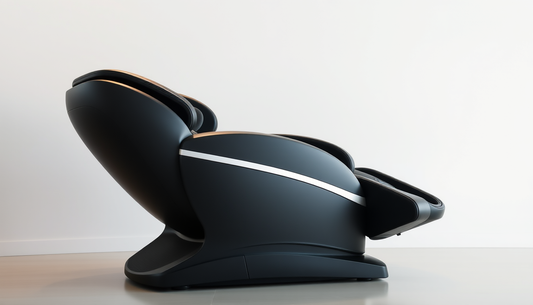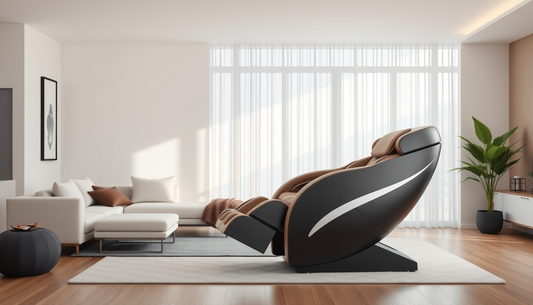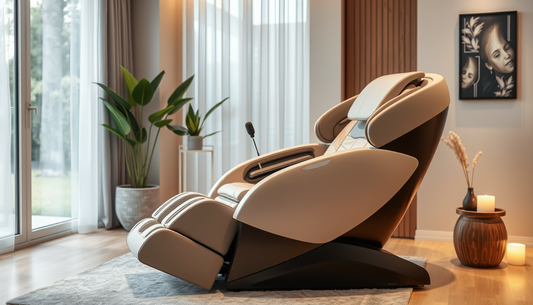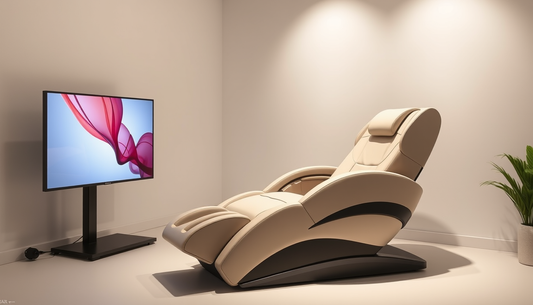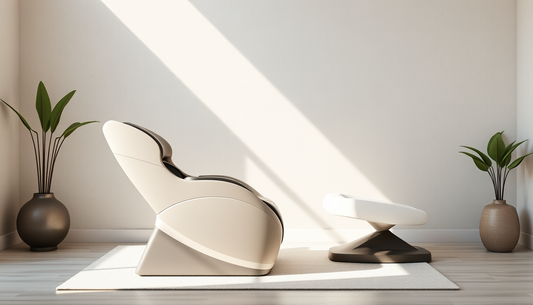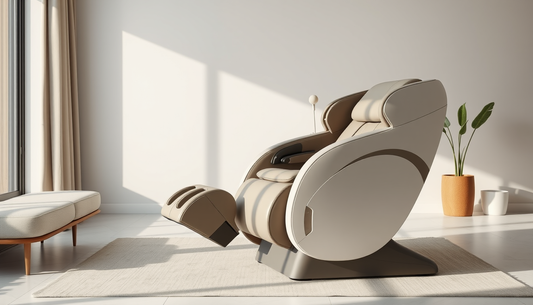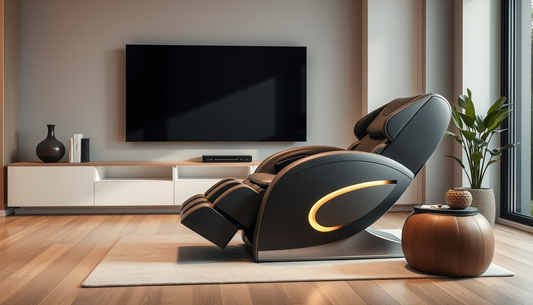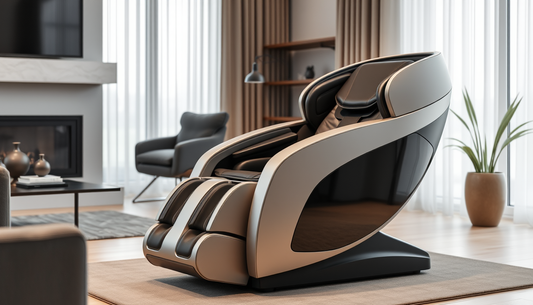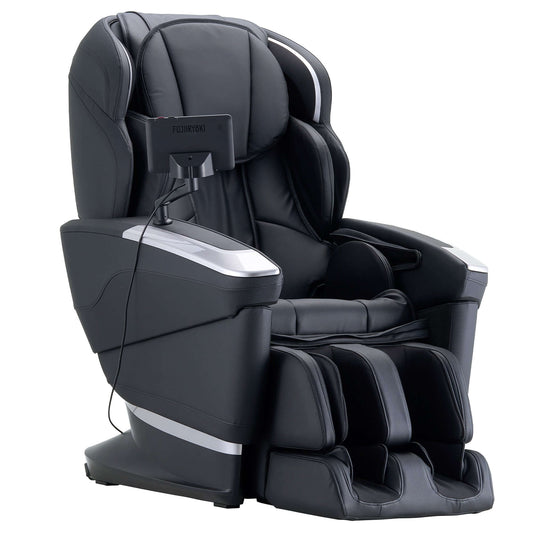
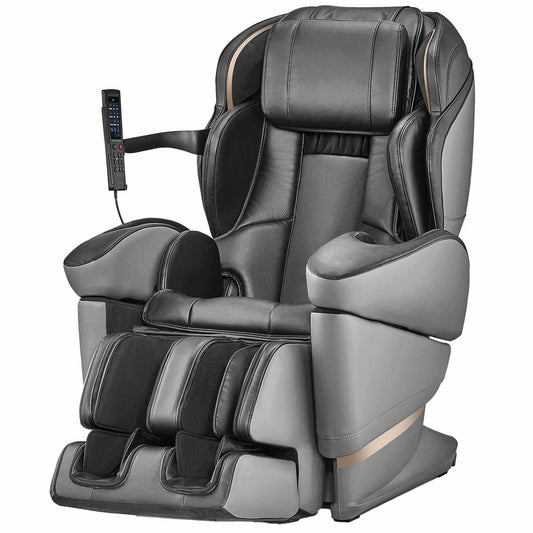
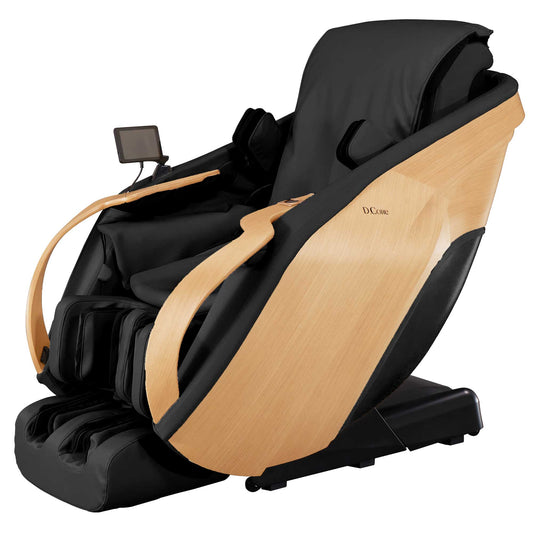
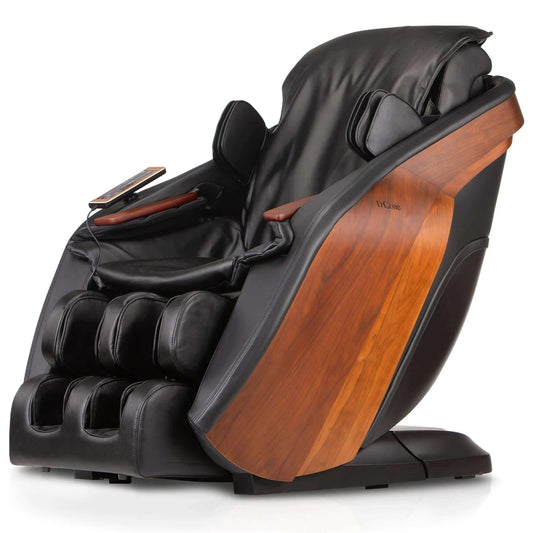
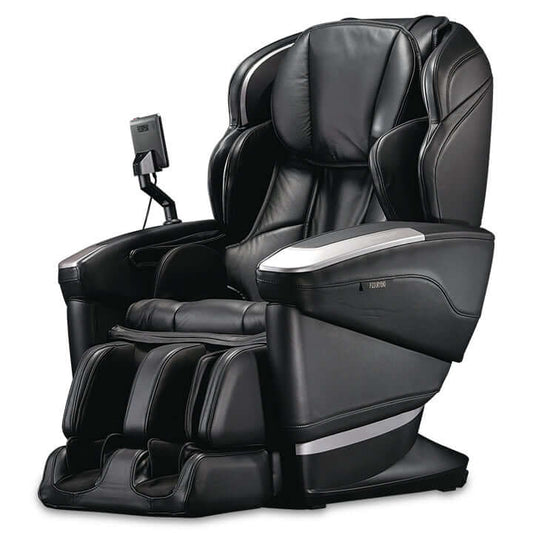

Fujiiryoki Massage Chairs: A Visual Presentation of Targeted Techniques (Swedish, Deep Tissue, Shiatsu, Reflexology, Acupressure) and Benefits for Whole-Body Wellness from Ankle to Head
Introduction
In 2026, Fujiiryoki massage chairs stand at the intersection of design, engineering, and holistic wellness. These chairs translate classic massage modalities into a modern, at‑home experience that can be tailored to fit an individual’s anatomy from ankle to head. With precision sensors, adaptive rollers, air-based adjustments, and intuitive software, Fujiiryoki creates a visual and tactile journey through targeted techniques and whole‑body benefits. This guide explores how these chairs deliver Swedish, Deep Tissue, Shiatsu, Reflexology, Acupressure, and Kneading across a broad map of body parts, and how you can optimize every session for best results.
How Fujiiryoki Chairs Create a Visual Narrative of Targeted Techniques
The magic begins with a smart, responsive setup. Advanced body scanning identifies key muscle groups, bone structure, and posture tendencies. The chair then partitions the body into zones, aligning rollers, airbags, and heat elements with the user’s unique contours. This zoning enables precise technique deployment—whether you want a gentle Swedish session to awaken circulation or a deeper Deep Tissue program to target stubborn knots. The result is a cohesive in-chair ritual that feels custom-made, yet remains safe and comfortable for daily use.
Beyond mechanical action, Fujiiryoki’s software layers in customization. You can fine‑tune intensity, pressure point focus, speed, and duration. Pre-set profiles mirror common needs—relaxation after work, recovery after sport, or maintenance during travel—while also allowing fully manual control for ongoing fine-tuning. The combination of hardware precision and software flexibility creates a reliable visual narrative: a guided journey through the body that honors both comfort and effectiveness.
Massage Techniques Offered
- Swedish Massage — Long, gliding strokes with kneading and rhythmic tapping to warm muscles, increase circulation, and reduce stress. In Fujiiryoki chairs, rollers and airbags coordinate to reproduce classic effleurage and petrissage while maintaining a smooth, continuous flow that feels like a therapeutic massage performed by a skilled practitioner.
- Deep Tissue Massage — Targeted, slower pressure aimed at deeper muscle layers and fascia. The chair can concentrate on problem bands, releasing chronic adhesions and stiffness. Use with caution and gradually increase intensity to support recovery and mobility in tight muscle groups.
- Trigger Point Massage — Focused work on hyperirritable points that refer pain elsewhere. In-chair programs map likely trigger zones along major muscle lines, delivering precise compression and sustained contact to deactivate hotspots while preserving overall comfort.
- Acupressure — Pressure point stimulation along meridians to ease tension and help rebalance energy flow. Fujiiryoki systems place strategic contact points at the neck, shoulders, back, and feet to ease localized discomfort and induce deeper relaxation.
- Shiatsu Massage — Finger‑like pressure and rhythmic kneading that follow traditional patterns. Programmable sequences mirror the feel of a shiatsu session, guiding the shoulders, back, and limbs through therapeutic pressure points to restore mobility and reduce stiffness.
- Reflexology — Focused work on reflex zones in the feet and hands believed to influence systemic balance. Foot and hand modules map these zones for improved circulation and energy flow, supporting overall well‑being.
- Kneading — Repetitive circular motions that reproduce skilled hand kneading across large muscle groups. This technique helps loosen muscle bands, improve flexibility, and promote a comforting sense of release across the body.
Targeted Body Parts and How They Benefit
- Ankle — Reflexive and acupressure patterns support ankle joints and connective tissue, aiding circulation and range of motion for daily walking comfort.
- Back — Deep kneading, rolling, and shiatsu sequences decompress the spine, ease muscular tightness, and encourage better posture and spinal alignment.
- Calf — Calf compression and deeper tissue work reduce soreness after activity, boost lymphatic drainage, and speed recovery for legs that carry you through the day.
- Feet — Reflexology and targeted contact soothe plantar fascia, reduce fatigue, and improve foot vitality—crucial for long days on your feet or after workouts.
- Hands — Arm and hand modules support forearm and wrist comfort, relieving repetitive strain from desk work or manual tasks.
- Head — Gentle scalp kneading and temple relaxation ease tension headaches and promote mental calm and focus.
- Heel — Focused compression and rolling address heel tenderness and plantar fascia strain, supporting day‑to‑day walking comfort.
- Knee — Surrounding soft tissue work reduces knee tension and aids mobility when combined with leg programs.
- Legs — Full leg sequences harmonize thigh, calf, and ankle work to improve circulation and range of motion.
- Neck — Targeted traction and shoulder support release neck stiffness and improve mobility, especially for desk workers and drivers.
- Shoulder — Deep kneading around the shoulder blades and trapezius relieves stress from posture or heavy lifting.
- Thigh — Thigh massage loosens hamstrings and quadriceps to support leg function and circulation during daily activities.
- Whole Body — Integrated programs synchronize neck, back, limbs, and core into a cohesive session for comprehensive relaxation and systemic benefits.
- Wrist — Forearm and wrist panels support joint comfort and tendinous relief, complementing larger limb work for daily ergonomics.
Benefits for Whole-Body Wellness
- Blood Flow Control — Rhythmic compression and roller action enhance circulation, supporting nutrient delivery and toxin removal throughout the body.
- Fatigue Relief — Deep relaxation and reduced muscle tension help restore energy after long days, workouts, or travel.
- Flexibility Improvement — Gentle stretching and elongated strokes gradually expand joint range of motion and muscle pliability.
- Injury Recovery — Moderate, guided massage can support recovery by reducing stiffness and promoting tissue repair when used in conjunction with professional guidance.
- Muscle Therapy — Targeted kneading and deeper pressure release knots and adhesions, supporting muscle health and resilience.
- Pain Relief — Localized modalities address soreness and tension hotspots, providing relief for daily discomfort and post-activity recovery.
- Spine Alignment — Smart body scanning and zoned massage contribute to spinal decompression, posture support, and overall alignment.
- Stress Relief — A calming rhythm, heat therapy, and pressure work combine to reduce stress hormones and promote mental tranquility.
- Tissue Therapy — Mechanical manipulation of soft tissues improves elasticity, reduces stiffness, and supports long‑term tissue health.
Optimization Tips for the Best Experience
- Set a profile that matches your height and weight so the rollers align with major muscle groups precisely.
- Begin with lighter Swedish or kneading sessions to warm up, then progressively introduce deeper techniques as comfort allows.
- Combine targeted zones, such as back and legs, for a full‑body routine after activity, travel, or long work hours.
- Leverage heat therapy when available to enhance muscle relaxation and tissue pliability.
- Experiment with different intensity presets, durations, and focus points to discover the most soothing sequence for your body.
- Follow safety guidelines and consult a clinician if you have a specific injury or medical condition that requires professional advice before regular sessions.
Optimization for Real-World Use
Creating a ritual around your Fujiiryoki chair maximizes benefits. Consider a weekly schedule that alternates between recovery days and maintenance sessions. Use the chair after workouts to support muscle repair, after long flights to reduce stiffness, or during a work-from-home day to decompress the spine and shoulders. Pair sessions with gentle stretching, hydration, and a comfortable ambient environment to extend the positive effects beyond the chair’s coaching.
Why Fujiiryoki Stands Out in 2026
Fujiiryoki combines a heritage of massage engineering with modern sensor technology, AI‑assisted personalization, and robust customization. The result is a scalable home wellness solution capable of simulating multiple modalities, spanning an extensive range of body parts, and adapting to personal comfort levels. The integration of visual feedback, precise zone control, and a quiet operating profile makes the experience both premium and practical for everyday life.
Choosing a Fujiiryoki Model in 2026
When selecting a model, consider the following:
- Coverage and Zoning — How many zones are serviced? Can the chair tailor to ankles, wrists, and the neck with independent controls?
- Tech Stack — Look for body scanning accuracy, sensor density, and the ability to customize presets for Swedish, Deep Tissue, Shiatsu, Reflexology, Acupressure, and Kneading.
- Comfort Features — Heat therapy, air cell customization, zero‑gravity reclining, and ergonomic fit for your height and leg length.
- Noise Level — For a serene experience, especially in a bedroom or home office, prioritize models with whisper‑quiet operation.
- Maintenance and Warranty — Check parts availability, service options, and warranty terms for motors, rollers, and airbags.
Maintenance, Safety, and Care
Regular cleaning, inspecting footrests and rollers, and following manufacturer instructions for use help extend the life of the chair. For safety, avoid injury responses by stopping a program if you experience sharp pain, numbness, or dizziness. If you have cardiovascular issues, pregnancy, or acute injuries, consult a healthcare professional before using massage chairs with deep tissue or intense kneading settings.
Case Studies and Practical Scenarios
Case 1: An Office Professional — A 45‑year‑old desk worker integrates a 25‑minute Fujiiryoki session after work, focusing on neck, shoulders, and lower back. After several weeks, they report improved posture, reduced neck tension, and a noticeable drop in fatigue during the day.
Case 2: An Amateur Runner — An athlete uses post‑workout Deep Tissue and Leg sequences twice weekly, combined with calves and hamstrings work. Over time, they experience faster recovery times, fewer soft tissue complaints, and better flexibility in the hips and calves.
Case 3: A Senior User — A user prioritizes gentler Swedish and Reflexology sessions targeting ankles, feet, and shoulders. They notice improved balance, reduced swelling after long days, and a calming effect that supports sleep quality.
FAQ: Frequently Asked Questions
- What makes Fujiiryoki different from other massage chairs? A combination of deep zoning, advanced sensors, and versatile presets enables precise, targeted work across a wide range of body parts with customizable intensity and duration.
- Can these chairs help with chronic pain? They can support symptom relief and mobility improvements through guided tissue manipulation and relaxation, but you should consult a clinician for persistent pain or injuries.
- Is the chair easy to use for beginners? Yes. Start with light presets, gradually adjust intensity, and utilize guided introductions in the chair’s software to learn how each technique feels.
- How often should I use the chair? Many users benefit from 2–4 sessions per week, with shorter sessions on busy days and longer sessions during rest days or recovery periods.
- What maintenance is required? Regular cleaning, checkups per the manual, and ensuring the user manual’s safety guidelines are followed will help sustain performance.
Conclusion
Fujiiryoki massage chairs offer a robust, visually guided path to targeted techniques and whole‑body wellness. By uniting Swedish, Deep Tissue, Shiatsu, Reflexology, Acupressure, and Kneading across an expansive map of body parts—from ankle to head—the chairs empower a personalized at‑home wellness routine. Whether your goal is relaxation, recovery, or long‑term mobility support, these chairs provide a versatile platform that can adapt to your lifestyle and accelerate your journey toward better circulation, reduced tension, and improved daily function.
Tags:
Previous
Fujiiryoki Massage Chairs: A Visual, Presentation-Style Masterclass on Targeted Techniques—Swedish, Shiatsu, Deep Tissue, Reflexology—and Their Benefits for Ankle to Head and Whole-Body Wellness
Next
Fujiiryoki Masterclass: How Swedish, Shiatsu, Deep Tissue, and Reflexology Transform Ankle-to-Head Wellness in Home Massage Chairs