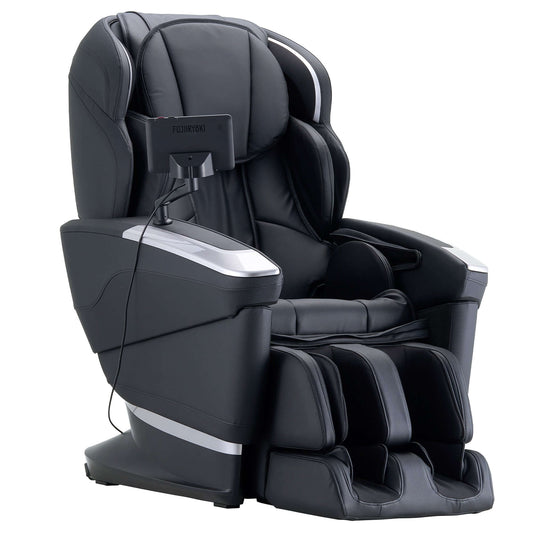
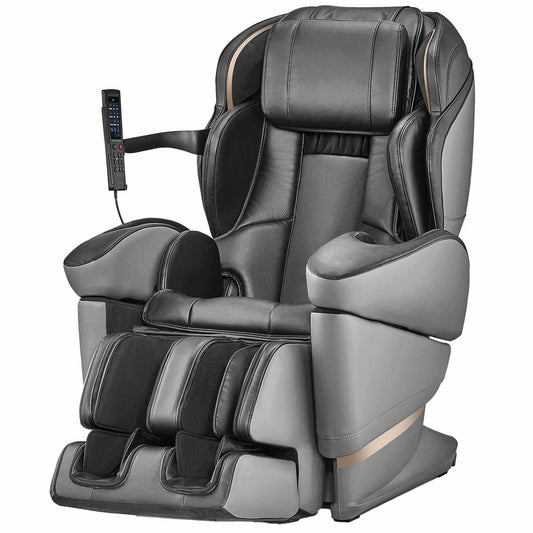
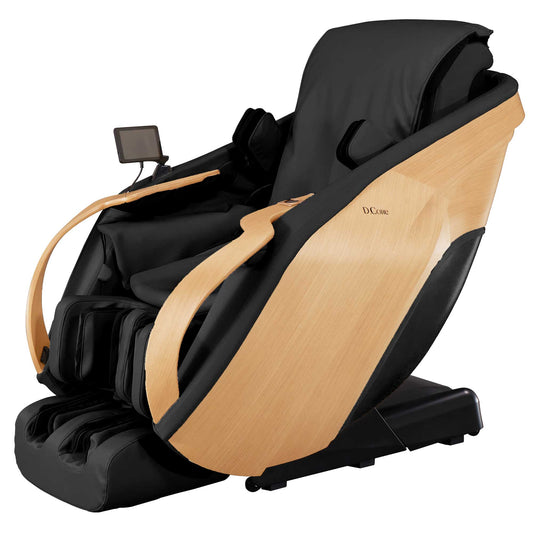
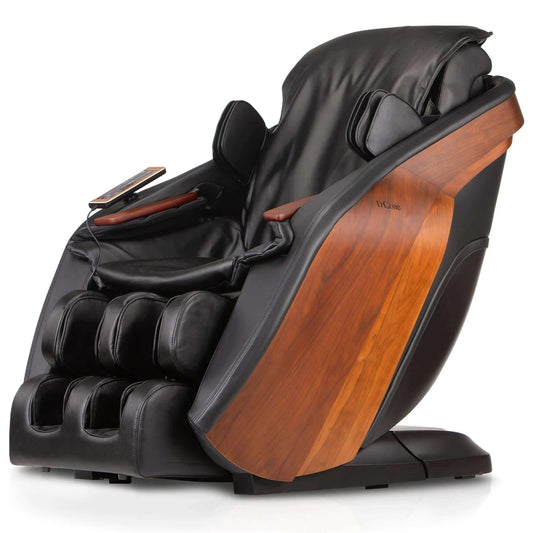
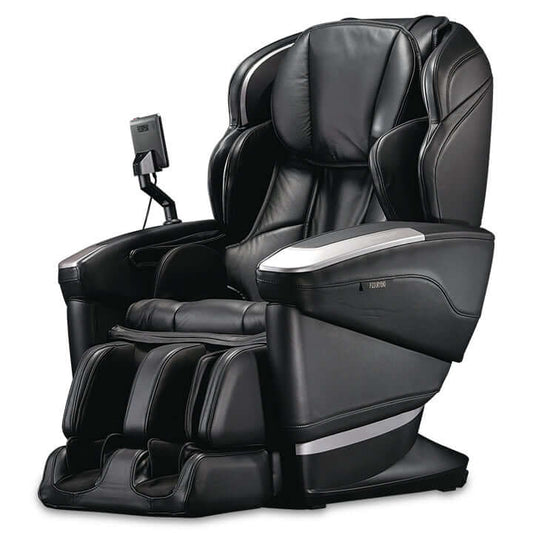

Fujiiryoki Massage Chairs: A Total-Body Wellness Guide to Targeted Techniques (Swedish, Shiatsu, Deep Tissue, Reflexology, Acupressure, Kneading) Across Ankle to Wrist.
Introduction
In 2026, home wellness technology has evolved into a practical blend of robotics, adaptive sensing, and clinically inspired massage science. Fujiiryoki stands at the forefront of this convergence, delivering chairs that translate traditional techniques into precise, targeted sessions. This guide delves into how Fujiiryoki massage chairs apply Swedish, Shiatsu, Deep Tissue, Reflexology, Acupressure, and Kneading across the body from ankle to wrist, with an emphasis on improving blood flow, relieving fatigue, enhancing flexibility, supporting injury recovery, and promoting overall well-being.
Why Fujiiryoki Stands Out for Targeted Full-Body Massage
- Comprehensive coverage: intelligent contouring and multi-zone control reach from ankles to wrists, including the feet, calves, legs, back, neck, shoulders, arms, hands, and head.
- Personalized programs: adaptive pressure, speed, heat, and duration calibrated to your unique tension patterns and daily needs.
- Therapeutic breadth: built-in modalities map to Swedish, Deep Tissue, Trigger Point, Acupressure, Shiatsu, Reflexology, and Kneading, enabling hybrid sessions that maximize relief.
- Smart diagnostics: sensors and body-scanning capabilities optimize massage paths for your form, posture, and muscle history, so every session feels custom.
Targeted Techniques Across Ankle to Wrist
This section outlines how the core modalities translate to distinct regions while maintaining seamless transitions between zones. The goal is a balanced, restorative session where no area is neglected.
Ankle, Calf, and Feet
- Kneading and rolling sequences target the lower leg musculature to improve circulation, reduce stiffness around the ankle joint, and support healthy gait patterns.
- Foot reflexology patterns stimulate pressure points that align with energy and vitality, helping to alleviate fatigue after long days on your feet.
- Heel-focused care with targeted compression and warmth eases plantar fascia tension and morning stiffness, setting a calmer tone for the day.
Legs, Knees, and Thighs
- Longer strokes and deeper work in the calves and thighs promote fluid movement, aiding post-activity recovery and reducing residual soreness.
- Joint-friendly compression, gentle traction, and guided tissue work support knee comfort and leg recovery after workouts or daily wear.
- Adaptive sequencing ensures a transition from calf to thigh that respects tissue tolerance while delivering meaningful relief.
Back, Neck, Shoulders, and Head
- Spinal alignment benefits arise from synchronized contours that ease tension along the thoracic and lumbar regions, promoting a more upright posture over time.
- Neck and shoulder care with detented rollers and kneading patterns melt stress, reduce stiffness, and enhance range of motion in upper body joints.
- Head relief uses gentle scalp stimulation and rhythmic patterns to calm the nervous system, supporting better sleep and recovery.
Arms, Hands, and Wrists
- Forearm and upper-arm massage addresses repetitive strain from desk work, driving, and daily activities, improving circulation back toward the heart.
- Wrist and hand focus employs precise pressure points and controlled kneading to alleviate stiffness and tension accumulated from daily tasks.
- Integrated heat options maximize tissue pliability and comfort in the upper extremities, aiding recovery after long hours of use.
Whole Body Integration
Many Fujiiryoki models offer a full-body scan and cascading massage that sweeps from neck to ankles while preserving spine alignment and tissue therapy. This holistic approach ensures that no region is neglected and that transitions between zones remain seamless for a truly restorative session.
Massage Techniques and How They Translate Across Body Regions
These modalities form the backbone of Fujiiryoki's offering. Each technique maps well to multiple body parts and supports wellness goals such as improved blood flow, fatigue relief, and enhanced flexibility.
Swedish Massage
- Light to moderate gliding strokes, long strokes, and gentle kneading promote circulation and relaxation across large muscle groups.
- Ideal for the ankles, feet, calves, shins, and back when a soothing first-pass session is preferred.
- Supports stress relief and fatigue reduction while priming muscles for deeper work if needed later in the session.
Deep Tissue Massage
- Targeted, deeper pressure reaches stubborn knots and fascia restrictions in the back, neck, shoulders, hips, and legs.
- Great for post-workout recovery, chronic tension, and injury-prone areas that need focused attention.
- Coupled with adaptive speed and heat, it helps release adhesions without overdoing pressure.
Trigger Point Massage
- Precise, localized pressure deactivates hyperirritable points in major muscle groups, reducing pain referral and improving range of motion.
- Pairs well with Swedish and Deep Tissue work for a balanced, multi-layered session.
- Supports targeted relief in the neck, shoulders, upper back, calves, and hips where trigger points commonly form.
Acupressure
- Finger-like rollers and acupressure nodes stimulate energy channels to promote balanced physiology and vitality.
- Useful across the feet, ankles, hands, wrists, and along the spine for overall wellness and pain modulation.
- Enhances circulation, reduces muscle soreness, and improves tissue oxygenation in stressed limbs.
Shiatsu Massage
- Alternating pressure along meridian-inspired lines helps release built-up tension in the back, neck, shoulders, and hips.
- Supports spine alignment and posture, reducing stiffness during long workdays or commutes.
- Works well with kneading and Swedish strokes to create a balanced, restorative sequence.
Reflexology
- Feet and hands are primary focus points where simulated finger walking and thumb pressure stimulate energy flow and systemic balance.
- Contributes to fatigue relief and improved mood by enhancing peripheral circulation and nerve signaling.
- Often integrated with other modalities for a more comprehensive wellness impact.
Kneading
- Rhythmic, multi-directional kneading loosens superficial and deeper muscle layers across limbs and trunk.
- Effective on the calves, thighs, back, shoulders, and arms to break down tight tissue and reduce soreness.
- Forms a reliable foundation for more targeted work like trigger point release and acupressure, while supporting overall tissue health.
Benefits You Can Expect
- Blood flow control and improved circulation across the entire body, supporting healthier organ function and tissue metabolism.
- Fatigue relief after daily activity or intense workouts, enabling more consistent performance and recovery.
- Flexibility improvement and better range of motion in joints and muscles, aiding daily mobility and athletic performance.
- Injury recovery support through tissue therapy and rehab-friendly sequencing that aligns with common healing timelines.
- Muscle therapy to reduce soreness and accelerate recovery times following exercise or strain.
- Pain relief for common discomforts such as lower back pain, neck tension, knee stiffness, and plantar issues.
- Spine alignment support and improved posture through coordinated bodywork and posture-focused patterns.
- Stress relief and mental well-being from rhythmic, soothing sequences that promote parasympathetic activation.
- Tissue therapy that enhances oxygen delivery and waste removal in muscle tissue for more efficient recovery.
Choosing and Using Your Fujiiryoki Chair for Maximum Benefit
- Start with a full-body scan to tailor the massage path to your body shape, tension hotspots, and posture history.
- Explore preset programs that combine modalities for an efficient, balanced session or design a custom sequence for specific goals.
- Adjust intensity gradually, beginning with gentle Swedish strokes and progressing to deeper tissue work if your tolerance allows.
- Incorporate heat when available to increase tissue pliability and comfort in core muscle groups and the spine.
- Schedule regular sessions to maintain flexibility, improve recovery timelines, and bolster stress resilience.
How to Pick the Right Model for Your Needs
- Assess reach and contouring capabilities to ensure coverage from ankles to wrists aligns with your goals.
- Look for multi-zone massage with spine tracking, heated surfaces, and quiet operation suitable for home or office use.
- Consider warranty, service options, and compatibility with room aesthetics, noise tolerance, and setup constraints.
Model Considerations, Features, and Specs to Compare
- Massage zones and arm/foot roller configurations that determine how deeply and where pressure is applied.
- 3D or 4D massage engines, rotor paths, and adaptive algorithms that respond to real-time feedback from body sensors.
- Heat modalities, air cell compression, leg and foot rollers, and shoulder blade reception for comprehensive coverage.
- Noise level, chair footprint, power efficiency, and ease of maintenance for long-term use.
- Warranty length, service network, and availability of spare parts in your region.
Getting the Most from Your Sessions
- Use the full-body scan as your starting point to personalize the massage path and track progress over time.
- Save and name presets for different needs—daily reset, post-workout recovery, stress relief, and pre-sleep relaxation.
- Combine modalities for a balanced approach. For example, pair Swedish with Trigger Point for an effective blend of relaxation and targeted relief.
- Schedule consistency: even 15–20 minutes of daily use can yield meaningful improvements in circulation, sleep quality, and mood.
- Maintenance tips: wipe surfaces with a soft cloth, keep vents clear, and follow warranty guidelines to preserve performance.
How to Integrate Massage into Your Wellness Routine
To maximize benefits, weave the chair into broader health habits. For example, schedule a 20-minute session after workouts to accelerate muscle recovery, or use a 15-minute evening sequence to lower stress before sleep. Pair massage with hydration, light stretching, and mindful breathing to amplify outcomes.
Real-World Scenarios and Case Studies
Below are illustrative examples that demonstrate how different users can exploit Fujiiryoki chairs for targeted relief and overall wellness. Values are indicative and designed to reflect common patterns observed in users’ experiences.
- Athlete recovery: A triathlete uses a 25-minute program combining Deep Tissue and Reflexology after training sessions. Results include reduced muscle soreness, faster lactic acid clearance, and quicker readiness for the next workout block.
- Desk-bound professionals: A software engineer uses a mid-session break to run a three-zone routine targeting the shoulders, neck, and lower back, followed by a wrist-focused sequence to ease repetitive strain.
- Seniors and mobility: A user with mild arthritis and reduced flexibility benefits from a gentle Swedish-leaning program that gradually introduces deeper work, improving circulation and posture without discomfort.
FAQs
- Is a Fujiiryoki chair good for home use? Yes. These chairs are designed for home environments, with compact footprints in many models and quiet operation suitable for living spaces and bedrooms.
- Do they target ankles to wrists effectively? Yes. The system maps from ankle up to wrist, with coordinated transitions that ensure consistent pressure and rhythm across regions.
- How long should a session be? Beginners start with 15–20 minutes, while regular users may opt for 25–45 minutes depending on goals and tolerance.
- Do chairs require special installation? Most models are self-contained and ship with straightforward setup; some high-end units may require professional installation in rooms with specific dimensions.
- Which models are best for sensitive users? Look for chairs with adjustable pressure, minimalistic presets, and easy-access recovery programs, plus robust safety features and clear guidelines for intensity settings.
Conclusion
Fujiiryoki massage chairs offer a sophisticated blend of traditional massage techniques and modern robotics, designed to support total-body wellness. By targeting areas from ankle to wrist with modalities such as Swedish, Shiatsu, Deep Tissue, Reflexology, Acupressure, and Kneading, these chairs can help improve circulation, reduce fatigue, and enhance flexibility. Whether you seek relaxation, rehabilitation, or consistent maintenance, a Fujiiryoki chair can be a powerful ally in your health and well-being journey in 2026 and beyond. By investing in a chair that prioritizes targeted work, you gain a versatile tool that adapts to changing needs—from athletic recovery to everyday stress management.
Tags:
Previous
Fujiiryoki Massage Chairs: A Visual, Data-Driven Guide to Targeted Techniques and Whole-Body Wellness from Ankle to Head
Next
Fujiiryoki Massage Chairs: A Strategic Guide to Swedish, Shiatsu, Deep Tissue, Reflexology, and Acupressure Across All Body Parts for Total-Body Wellness