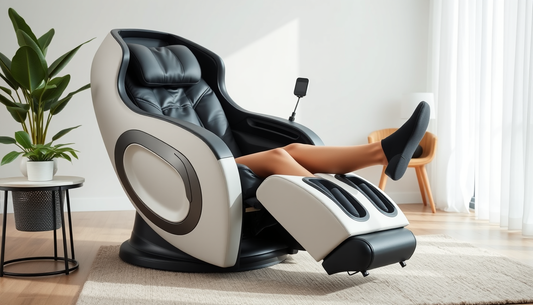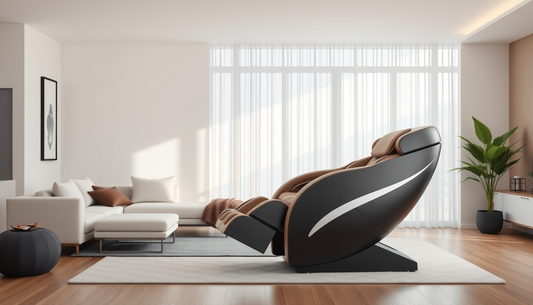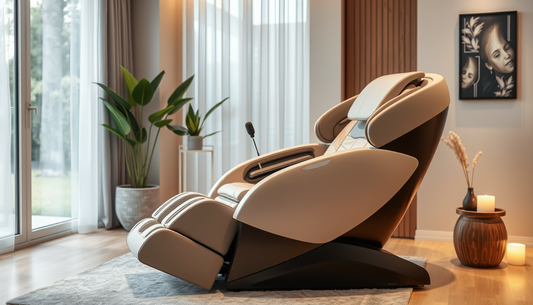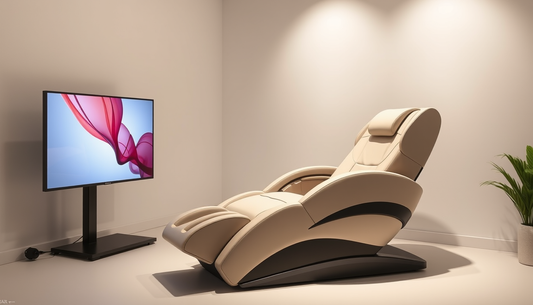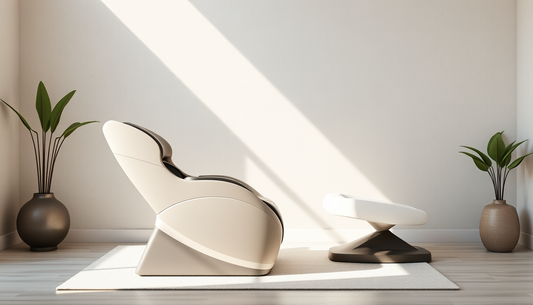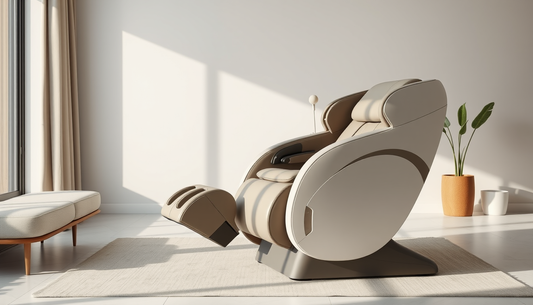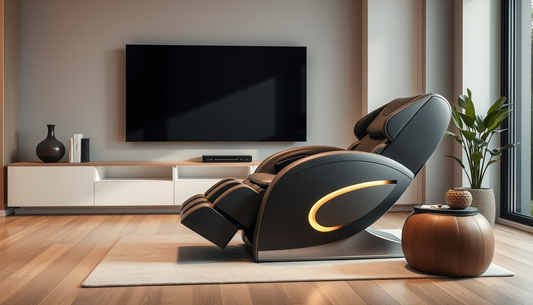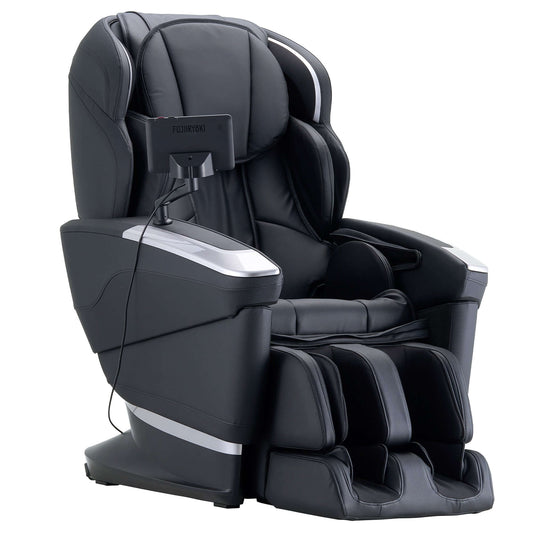
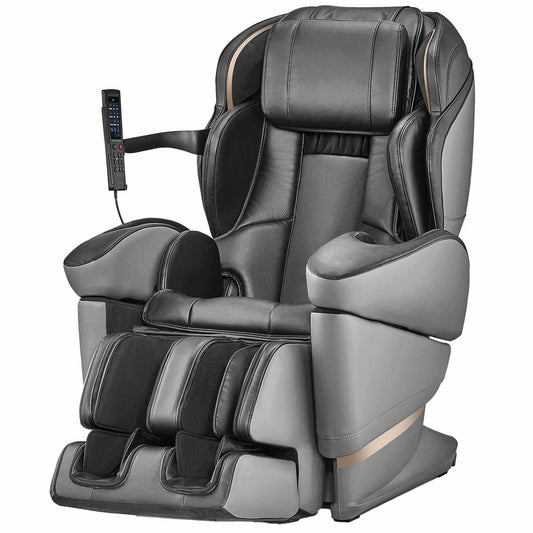
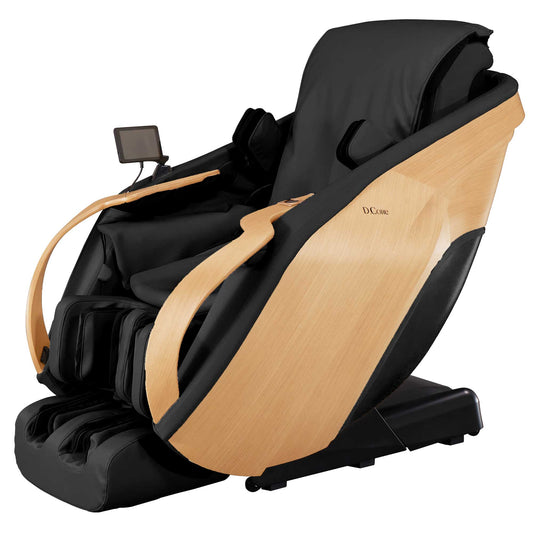
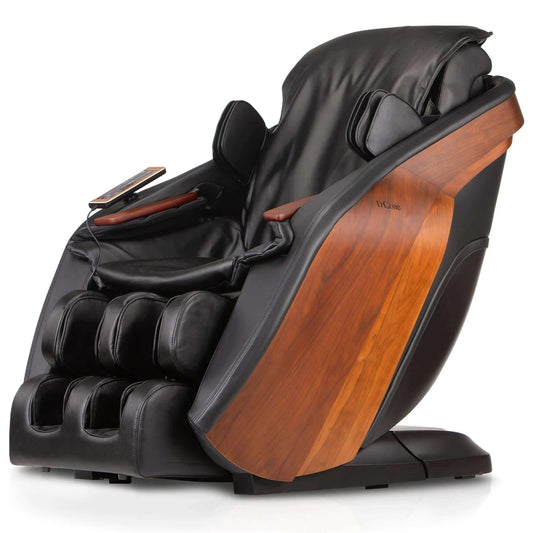
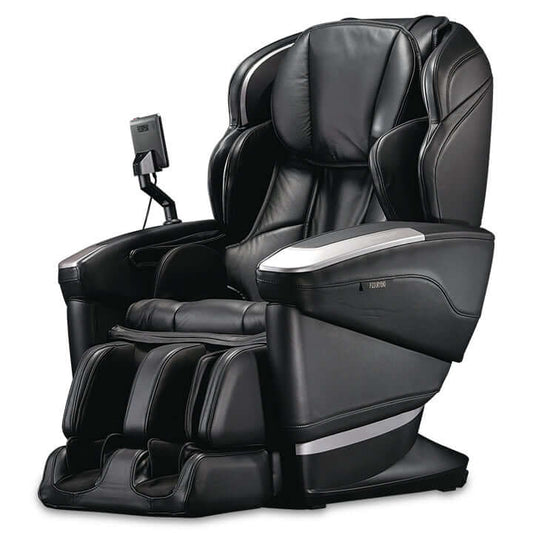
Fujiiryoki Massage Chairs 2026: A Comprehensive Presentation of Targeted Techniques (Shiatsu, Swedish, Deep Tissue, Reflexology, Acupressure, Kneading) and Full-Body Benefits from Ankle to Head
Overview
In 2026, Fujiiryoki continues to shape the art and science of the home massage chair experience. By combining centuries-old massage modalities with cutting-edge robotics, intelligent sensing, and adaptive control, Fujiiryoki chairs aim to deliver authentic, tailor-made relief from the ankle to the head. This comprehensive guide explores the targeted techniques, the full-body benefits, and the practical considerations that define the 2026 lineup for wellness enthusiasts, busy professionals, and athletes alike.
Targeted Massage Techniques in Fujiiryoki Chairs
Fujiiryoki 2026 models offer a curated library of massage techniques designed to mirror professional sessions. Each technique is engineered to engage specific tissue layers and neural pathways, enabling targeted relief across the body:
- Swedish Massage — long, flowing strokes that promote relaxation, improve circulation, and reduce muscle tension.
- Deep Tissue Massage — deeper pressure that reaches into the muscle and fascia to release stubborn knots and adhesions.
- Trigger Point Massage — focused, pinpoint pressure on hyperirritable points to reduce local and referred pain.
- Acupressure — precise point work along energetic meridians to rebalance energy, ease tightness, and support overall harmony.
- Shiatsu Massage — finger and palm pressure that follows traditional pathways to rebalance the body’s energy and posture.
- Reflexology — targeted work on the feet and hands that is believed to reflect and influence systemic health and relaxation.
- Kneading — rhythmic, circular compression that loosens stiffness and supports flexible tissue remodeling.
Targeted Body Parts Covered: Ankle to Head
The following mapping shows how modern Fujiiryoki chairs deploy motion zones, airbags, and rollers to address each region. This is designed for holistic relief, not just isolated spots:
- Ankle — gentle rolling and light compression stimulate circulation and ease ankle stiffness.
- Back — spinal row kneading and shiatsu circuits target upper, mid, and lower back tension.
- Calf — focused kneading and rolling reduce cramping and improve venous return.
- Feet — plantar surface work and reflex-inspired strokes promote complete system relaxation.
- Hands — wrist and palm areas receive light compression and stretching to ease fatigue and stiffness.
- Head — scalp and temple motions release tension and support mental calm.
- Heel — targeted massage to ease posterior heel discomfort and connect it to ankle wellness.
- Knee — supportive compression and gentle mobilization to reduce stiffness around the joint.
- Legs — comprehensive leg work covering thighs and calves for full-limb release.
- Neck — gentle kneading and stretching to alleviate neck tightness and improve posture alignment.
- Shoulder — emphasis on trapezius and shoulder blades to ease upper back strain.
- Thigh — deep kneading along hamstrings and quadriceps to improve mobility.
- Whole Body — synchronized sequences that coordinate multiple regions for harmonized relief.
- Wrist — focused work to reduce fatigue and increase range of motion.
Full-Body Benefits from Ankle to Head
Applying these targeted techniques across the body yields a broad spectrum of benefits that contribute to daily wellness and long-term tissue health. The primary advantages include:
- Blood Flow Control — rhythmic compression and enhanced venous return support cardiovascular efficiency and tissue nourishment.
- Fatigue Relief — restorative sessions reduce perceived fatigue and mental cloudiness after demanding days.
- Flexibility Improvement — gradual release of connective tissue and muscle tension expands range of motion.
- Injury Recovery — controlled, therapist-inspired work can support tissue repair and complement rehabilitation protocols.
- Muscle Therapy — deeper tissue work helps break down adhesions and accelerates recovery after training or activity.
- Pain Relief — targeted pressure patterns and release sequences reduce local and referred pain signals.
- Spine Alignment — thoughtful paraspinal mobilization and postural cues encourage healthier spinal posture over time.
- Stress Relief — soothing sequences, warm therapy, and quiet operation reduce sympathetic arousal and promote calm.
- Tissue Therapy — comprehensive conditioning of connective tissues and fascia for improved tissue resilience.
Technology and Design Innovations in 2026
The 2026 Fujiiryoki ecosystem centers on precision, personalization, and serenity. Key innovations include:
- Body Scanning and Personalization — advanced sensors map the spine, shoulders, hips, legs, and feet to tailor track profiles to individual anatomy and posture tendencies.
- 4D Massage and Roller Precision — dynamic control of roller speed, depth, and trajectory mimics professional stroke variation for realism and effectiveness.
- Zero Gravity and Heat Therapy — reclined positions reduce spinal loading while ambient heat enhances muscle relaxation and blood flow.
- Airbag Networks — distributed airbags deliver adaptive compression across limbs, neck, and shoulders for balanced, comfortable pressure.
- Smart Controls — intuitive interfaces with presets designed for recovery, stress relief, energy boost, and post-workout care. Seamless app and voice assistant integration further streamline usage.
Choosing the Right Fujiiryoki Model for 2026
With multiple configurations in the 2026 lineup, selecting a model comes down to available space, budget, and how you intend to use the chair. Practical criteria include:
- Massage Programs — ensure the chair supports all targeted techniques (Swedish, Deep Tissue, Trigger Point, Acupressure, Shiatsu, Reflexology, Kneading) with adjustable intensity and coverage.
- Body Scan Quality — higher-resolution scans yield more precise alignment with the user’s spine and joints.
- Adjustable Range — wide-range leg and foot extension, plus customizable neck and shoulder support to accommodate different heights.
- Thermal Therapy — integrated heat that complements massage sequences and aids muscle relaxation.
- Zero Gravity — a reclining mode that reduces spinal load and changes the distribution of body weight during sessions.
- Size and Fit — verify width, seat depth, and overall footprint to harmonize with your room and body dimensions.
- Smart Connectivity — compatibility with mobile apps, scheduling, and voice assistants to fit into a modern wellness routine.
Session Design: A Practical Journey from Ankle to Head
Though every session can be personalized, a typical 30–45 minute program might unfold as follows to maximize the benefits across the whole body:
- Warm-up and scan — the chair detects posture, pressure points, and areas of stiffness.
- Dynamic foundation — gentle Swedish strokes to relax superficial muscles and prepare deeper work.
- Targeted deep tissue — calibrated depth in the back, legs, and hips to address knots and adhesions.
- Trigger and acupressure — focused points along key meridians to relieve tension and rebalance energy flow.
- Reflex and kneading — targeted foot, calf, and hand work to rebalance systemic functions and release peripheral tension.
- Cooling down — lighter strokes, scalp and temple relaxation, followed by heat therapy to prolong the sense of calm.
Maintenance, Longevity, and Safety
To preserve performance and ensure safe operation, adhere to manufacturer guidelines and routine maintenance:
- Regular cleaning of upholstery and air vents to maintain hygiene and airflow.
- Periodic inspection of airbags and rollers for wear signs and smooth operation.
- Software updates to keep calibration, defaults, and user profiles current.
- Avoid using the chair immediately after heavy meals; allow a brief rest period if needed before a session.
- Consult a healthcare professional if you have acute injuries, implants, or conditions that affect massage safety.
Integrating Fujiiryoki into Your Wellness Routine
To make the most of a 2026 Fujiiryoki chair, pair it with complementary wellness habits:
- Hydration and nutrition to support tissue health and circulation during and after sessions.
- Light mobility work or foam rolling on non-chair days to maintain tissue extensibility.
- Sleep hygiene to amplify the restorative effects of evening sessions.
- Breathing and mindfulness practices to maximize stress-relief benefits during sessions.
Real-World Scenarios and Use Cases
The 2026 Fujiiryoki line is well-suited for diverse lifestyles. Consider these scenarios:
- Post-Workout Recovery — accelerate muscle repair, reduce tightness, and promote relaxation after training.
- Office Wellness — a short mid-day session to relieve neck, shoulder, and lower-back strain from desk work.
- Chronic Tension Management — targeted routines to address recurring knots and postural fatigue.
- Stress Reduction — calming sequences to lower perceived stress and improve focus for the rest of the day.
Comparing 2026 Models to Earlier Generations
With each generation, Fujiiryoki elevates sensing accuracy, stroke realism, and user customization. In 2026, improvements typically include:
- More precise body mapping and personalized massage tracks.
- Quieter operation and more responsive roller systems for authentic palpation-like sensations.
- Expanded program libraries with therapist-curated presets for common conditions and goals.
- Enhanced connectivity options and smarter energy management for longer device life.
Frequently Asked Questions (FAQ)
Q: Do Fujiiryoki chairs require professional installation?
A: Most models are designed for simple setup with clear instruction. Some premium installations may include at-home setup assistance.
Q: Can the chair help with severe medical conditions?
A: Massage can support comfort and mobility, but it is not a substitute for medical therapy. Consult a healthcare professional for conditions that require supervision.
Q: How long should I use the chair per session?
A: Typical sessions range from 20 to 45 minutes, depending on goals and comfort. Start shorter and gradually extend as you acclimate.
Q: Is maintenance expensive?
A: Routine care is generally affordable, with occasional parts replacement if wear occurs. Refer to the user manual for service intervals.
Conclusion
Fujiiryoki’s 2026 lineup blends a rich heritage of manual therapy with modern robotics, sensing, and connected wellness. By focusing on targeted techniques that map to specific body parts from Ankle to Head, these chairs offer comprehensive, customizable relief that supports relaxation, mobility, and ongoing wellness. For those seeking a premium, evidence-informed home spa solution, the 2026 Fujiiryoki models present a compelling investment in daily vitality and long-term tissue health.
Tags:
Previous
Fujiiryoki Massage Chairs: A Presenter-Style Breakdown of Targeted Techniques (Shiatsu, Swedish, Deep Tissue, Reflexology) for Ankle-to-Head Full-Body Wellness
Next
Fujiiryoki Massage Chairs 2026: Mastering Shiatsu, Reflexology, and Deep Tissue Techniques for Whole-Body Wellness and Pain Relief