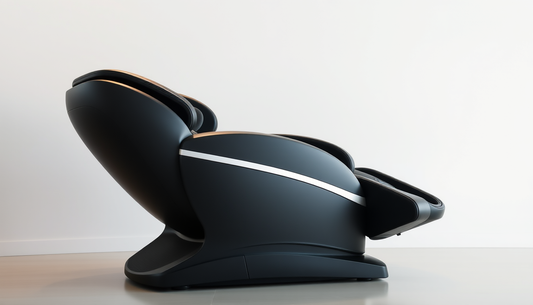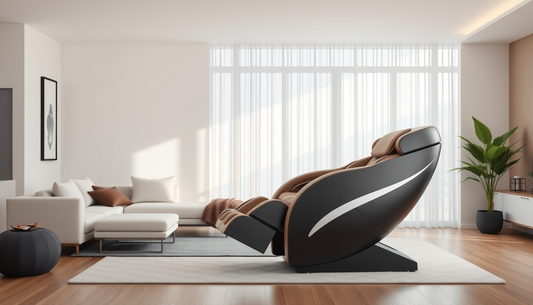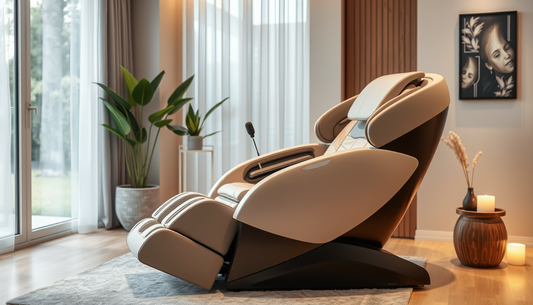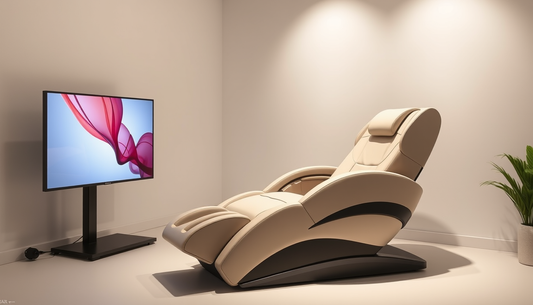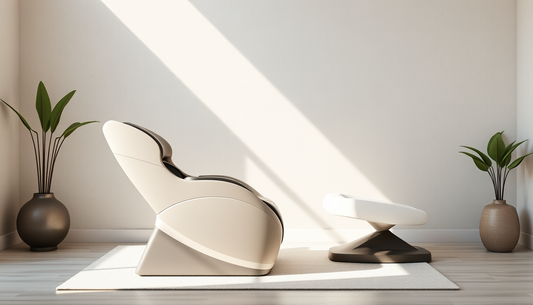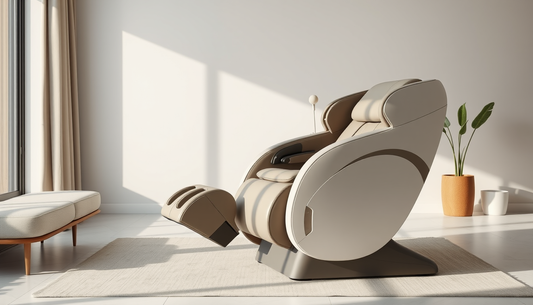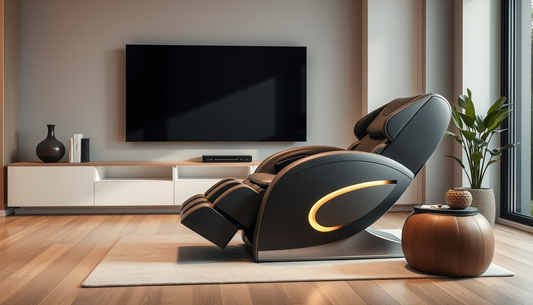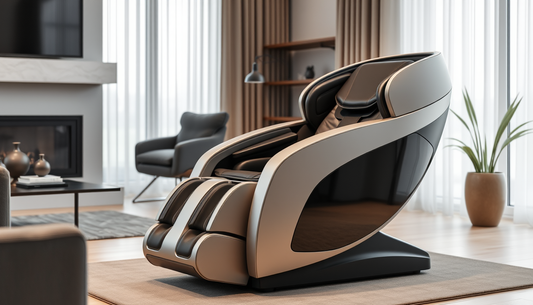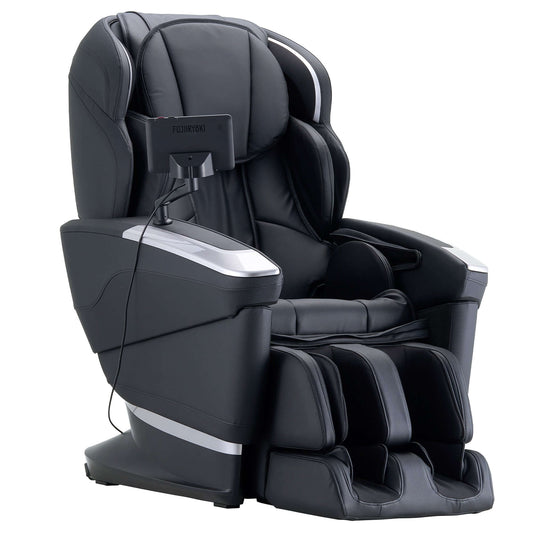
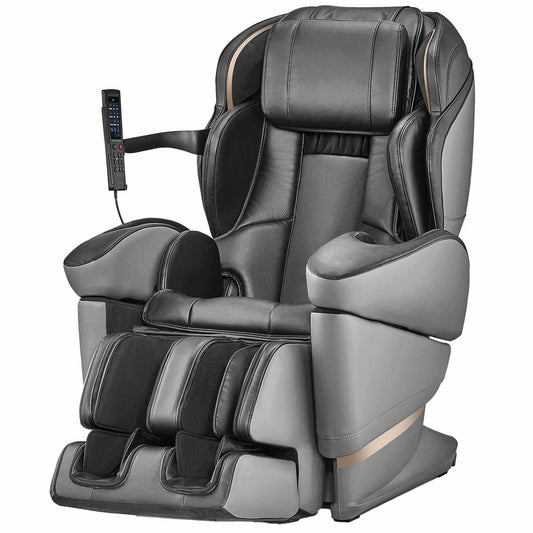
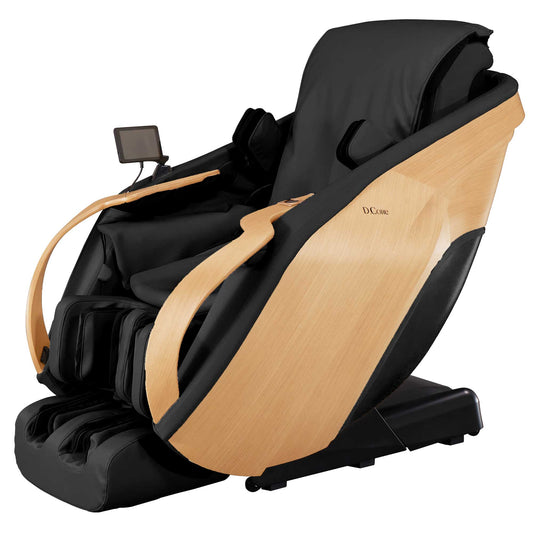
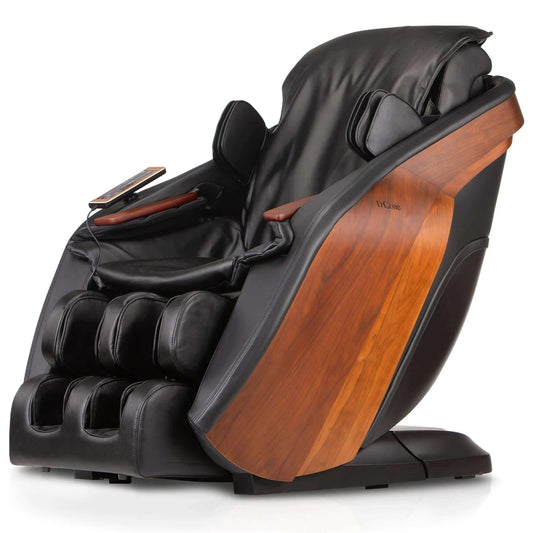
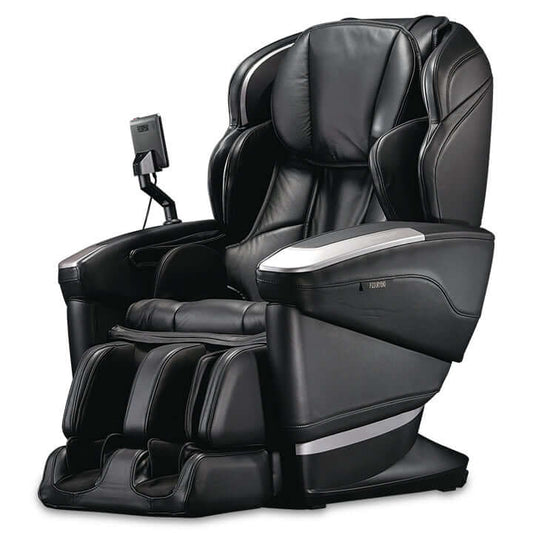
Fujiiryoki Massage Chair: An In-Depth Visual Guide to Targeted Techniques and Benefits for Ankle-to-Head Whole-Body Wellness (Swedish, Shiatsu, Deep Tissue, Trigger Point, Acupressure, Reflexology, Kneading)
Introduction
In the modern home wellness ecosystem, Fujiiryoki massage chairs have established a benchmark for professional-grade therapies delivered in a living room setting. This comprehensive guide dives into an ankle-to-head approach for whole-body wellness, highlighting Swedish, Shiatsu, Deep Tissue, Trigger Point, Acupressure, Reflexology, and Kneading techniques. Whether you are aiming to boost blood flow, reduce fatigue, ease chronic tension, or support recovery from daily activity or sports, these chairs offer targeted therapies that align with the body parts most commonly stressed from head to toe: Ankle, Back, Calf, Feet, Hands, Head, Heel, Knee, Legs, Neck, Shoulder, Thigh, Whole Body, and Wrist. The result is a visually guided experience that bridges studio-level massage with the accessibility of a home chair.
Why Fujiiryoki Stands Out in 2026
Fujiiryoki chairs blend precision rollers, multi-level air cell compression, and intelligent body scanning to map a session to your unique anatomy. Key differentiators include:
- Adaptive body scanning that identifies muscle groups, pressure tolerance, and posture to tailor each pass.
- Extensive technique library that transitions seamlessly from Swedish strokes to focused trigger point work.
- Full-anatomy coverage—from ankles to crown—that works across the kinetic chain for balanced relief.
- Integrated heat, air comfort, and ergonomic recline positions that support spine alignment and relaxation responses.
- User-friendly interfaces with guided programs designed around common wellness goals such as fatigue relief, flexibility, and injury recovery.
Visual Architecture: The Ankle-to-Head Wellness Journey
Think of the chair as a narrated journey that begins at the ankles and travels upward along the spine, shoulder girdle, arms, and head. Several design elements enable this journey:
- Roller system that navigates from the ankles, along the calves and thighs, up the back to the neck for a continuous, spa-like massage.
- Calf and foot airbags that gently compress to boost circulation and reduce edema while enhancing lymphatic drainage.
- Shoulder and neck contact zones with adjustable pressure to target trapezius and cervical tension.
- Arm, hand, and wrist airbags that refresh the upper limbs and improve venous return.
- Spine-support rails and a customizable recline that supports natural spinal curves and promotes postural balance.
- Intuitive controls and pre-programmed therapies aligned to body parts for precise targeting.
Targeted Body Parts Covered
Fujiiryoki chairs are designed to deliver attention to multiple regions in a single session, supporting the following areas:
- Ankle
- Back
- Calf
- Feet
- Hands
- Head
- Heel
- Knee
- Legs
- Neck
- Shoulder
- Thigh
- Whole Body
- Wrist
Massage Techniques Explained
Each technique is designed to address different tissue states and wellness goals. The Fujiiryoki approach blends these methods into cohesive programs that can be customized for specific body parts or whole-body sessions.
- Swedish Massage: Long, flowing strokes with light to moderate pressure to promote circulation, warm up tissue, and invite a relaxation response. This technique serves as an excellent introduction to a session and is ideal for preparing muscles for deeper work.
- Deep Tissue Massage: Slower, targeted strokes that reach deeper muscle layers to release chronic stiffness, adhesions, and postural fatigue. Best applied with caution on sensitive areas and when progressive work is desired.
- Trigger Point Massage: Precise compression applied to nodules and knots to interrupt pain-spasm cycles and restore range of motion in tight muscle bands.
- Acupressure: Manual pressure along meridians to release stagnation and balance energy flow. This technique often alleviates headaches, neck and shoulder tension, and helps coordinate systemic responses.
- Shiatsu Massage: A blend of finger-pressing techniques, rollers, and air pressure that emphasizes whole-body alignment and energy flow, producing a harmonizing effect across the back, hips, and legs.
- Reflexology: Focused work on hands and feet believed to influence distant zones corresponding to major organs and systems, supporting relaxation, circulation, and nerve function.
- Kneading: Circular compression that mimics traditional kneading motions to loosen superficial fibers, improve tissue pliability, and promote relief from daily tension.
Massage Benefits for Ankle-to-Head Wellness
The comprehensive technique library translates into a range of benefits when sessions are consistent and properly timed. Below are the core outcomes users commonly experience:
- Blood Flow Control: Enhanced circulation supports oxygen delivery and waste removal throughout tissues.
- Fatigue Relief: Gentle and deeper sessions reduce perceived energy drain after long days or workouts.
- Flexibility Improvement: Regular work on soft tissues increases joint range of motion and functional mobility.
- Injury Recovery: Progressive soft-tissue work can complement rehabilitation programs by improving tissue tolerance and healing environments.
- Muscle Therapy: Targeted release of tight bands and trigger points improves muscle function and posture resilience.
- Pain Relief: Localized and referred pain can be alleviated through a combination of deep work and relaxation responses.
- Spine Alignment: Structured support and guided traction help maintain neutral spinal curves and reduce compensatory strain.
- Stress Relief: Rhythmic patterns, warm tissues, and controlled breathing promote a holistic calm and mental clarity.
- Tissue Therapy: Hydration and elasticity improvements in fascia and muscle tissue support long-term tissue health.
Choosing the Right Program: Practical Tips
To maximize outcomes, consider these practical guidelines when selecting a Fujiiryoki massage chair program. The aim is to tailor sessions to your goals—whether it’s daily refreshment, deeper release, or recovery from intense training.
- Begin with a gentle Swedish-based session to assess comfort and adjust pressure and speed to your preference.
- Progress to deeper work on areas of stiffness, such as the neck, shoulders, or lower back, gradually increasing intensity over weeks.
- Incorporate trigger-point or acupressure modes selectively to avoid overstimulation while addressing specific pain points.
- Use reflexology or kneading for longer sessions that engage the whole body and promote systemic relaxation.
- Design an ankle-to-head coverage plan that ensures equal attention to each major region, while allowing for rest breaks between zones.
Program Structuring: A 6-Week Wellness Plan
For readers seeking a structured path, this sample framework can guide your routine. Adapt the duration and intensity to your fitness level, age, and any medical considerations.
- Weeks 1–2: Foundation
- 3–4 sessions per week, 20–25 minutes each
- Emphasize Swedish for warm-up and light stretching of calves, back, and neck
- Weeks 3–4: Deepening the Experience
- 2–3 sessions per week, 25–35 minutes each
- Introduce deeper tissue work on stiff areas, add trigger-point focus in 5–10 minute blocks per region
- Weeks 5–6: Full-Body Integration
- 3–4 sessions per week, 30–40 minutes each
- Blend techniques across ankle to head, maintain balanced pressure, and incorporate reflexology and kneading in longer sessions
Care, Maintenance, and Longevity
Protecting your investment ensures consistent performance over years of use. Consider these maintenance practices:
- Regular cleaning with non-abrasive cloth and a mild cleaner to remove dust and oils from upholstery and controls.
- Periodic inspection of rollers, airbags, and air lines for wear, with professional servicing as recommended by the manufacturer.
- Filter changes for any air-based components to maintain optimal aroma and air quality in the seat environment.
- Software updates when available to access new programs and refinements in body mapping.
Safety Considerations and Best Practices
While a massage chair is generally safe for most adults, there are scenarios where caution is warranted. Always consult a medical professional if you have a recent injury, surgery, or chronic condition that affects the spine, joints, or circulatory system.
- Avoid intense pressure on acute injuries or inflamed joints until professional guidance is obtained.
- Discontinue use if you experience dizziness, sharp pain, or numbness, and seek medical advice.
- Pregnant individuals should consult with their healthcare provider before using a massage chair, especially regarding abdominal support, pressure, and heat modalities.
- Follow the manufacturer’s guidelines for weight limits, heat exposure, and session duration to reduce risk of overstimulation.
Frequently Asked Questions
Below are common questions about Fujiiryoki massage chairs and their targeted techniques. If your question isn’t listed, feel free to ask for more details on specific body parts or techniques.
- Can these chairs help with knee and ankle pain? Yes, when programmed to focus on the lower leg and ankle regions, they can improve circulation, reduce stiffness, and support mobility. Always align pressure and duration with personal comfort and medical advice.
- Do Fujiiryoki chairs require maintenance? Routine cleaning and periodic professional checks help maintain performance and longevity. Follow the user manual for specific schedules.
- Are heat features safe? When used as recommended, heat can improve tissue pliability and relaxation. Avoid heat if you have circulatory concerns or sensory impairment; consult a clinician if unsure.
- How long should a typical session be? Beginners may start at 15–20 minutes, advancing to 30–40 minutes as tolerated. Balance frequency with your body’s response.
- Can I use it with a medical device or condition? If you have implanted devices, neuropathies, or cardiovascular concerns, seek medical guidance before use to ensure the chair settings won’t interfere with your condition.
- Is it suitable for athletes? Yes, the chair can aid warm-up, post-workout recovery, and muscle maintenance, especially when tailored to targeted regions and recovery goals.
Real-World Scenarios: How It Feels and Why It Works
Imagine ending a long day with a session that begins at the ankles, gradually releasing tension as you are guided upward. Calves relax, the back loosens, shoulders soften, and a gentle head and neck touch helps quiet the mind. These tactile sequences, combined with breath cues and heat therapy, can produce a holistic sense of resets—promoting better sleep, improved posture, and a greater sense of daily resilience.
Closing Thoughts: A Visual Path to Ankle-to-Head Wellness
Fujiiryoki massage chairs offer a robust platform for achieving targeted, whole-body wellness through a suite of Swedish, Shiatsu, Deep Tissue, Trigger Point, Acupressure, Reflexology, and Kneading techniques. By understanding how each method interacts with different body parts—from ankle to head—and by structuring a thoughtful routine, you unlock a powerful tool for reducing fatigue, enhancing flexibility, supporting tissue health, and promoting lasting stress relief. Use this guide as a visual and practical roadmap to tailor sessions that fit your lifestyle, goals, and comfort level, and enjoy the ongoing benefits of spa-grade therapy in your own home.
Tags:
Previous
Fujiiryoki Massage Chairs: A Presentation-Style Masterclass on Swedish, Shiatsu, Deep Tissue, Reflexology, Acupressure & Kneading for Full-Body Wellness
Next
Fujiiryoki Massage Chairs 2026: A Presentation-Style Guide to Targeted Techniques (Swedish, Shiatsu, Deep Tissue, Trigger Point, Reflexology, Acupressure, Kneading) for Ankle-to-Head Wellness and Full-Body Benefits.