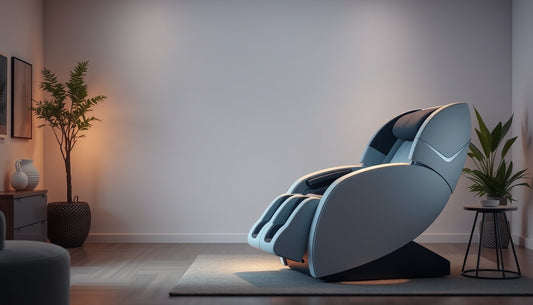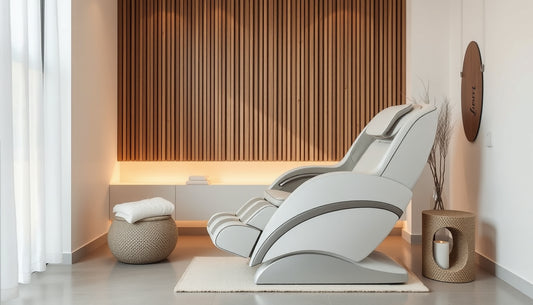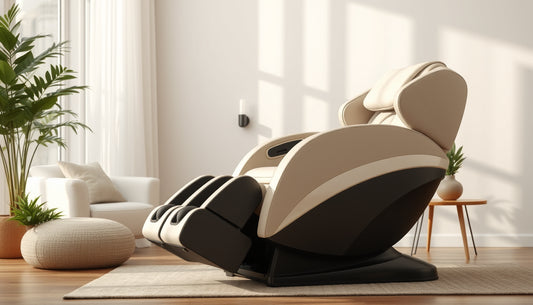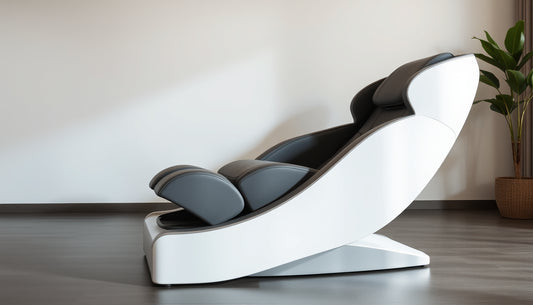
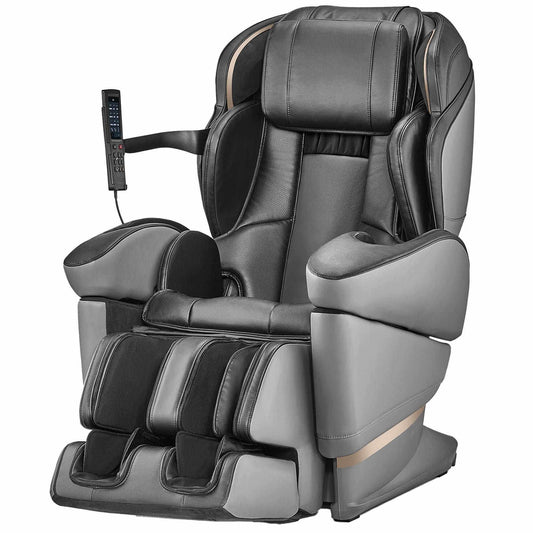
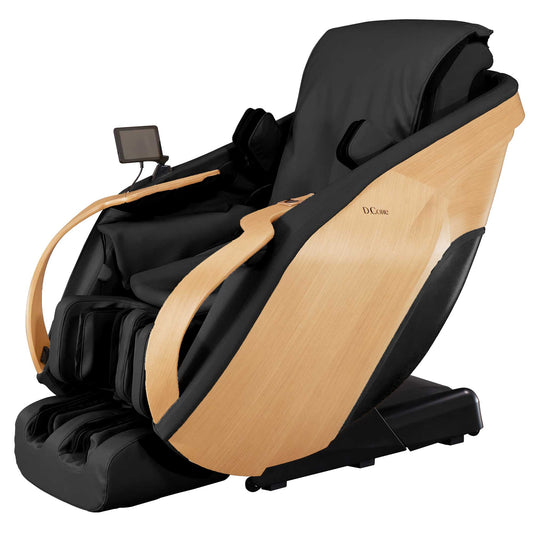
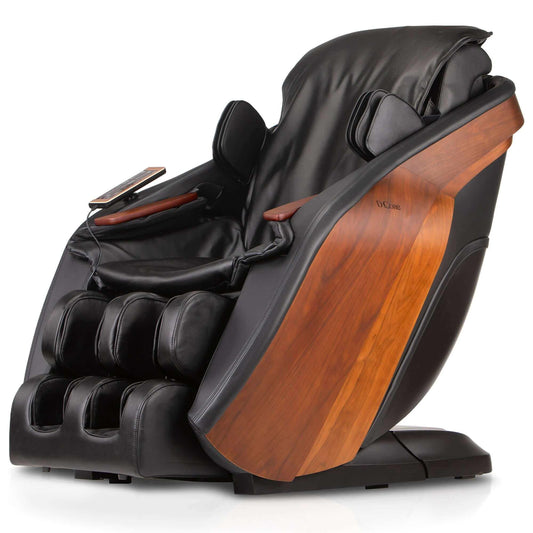

From Feet to Head: A Fujiiryoki Slide-Deck Guide to Targeted Techniques Across Ankle to Head for Whole-Body Wellness
Introduction: A Fujiiryoki Slide-Deck for Whole-Body Wellness
Imagine a slide deck that guides you through a complete body journey from ankle to head, powered by the precision and comfort of a Fujiiryoki massage chair. This comprehensive guide translates classic massage modalities—Swedish Massage, Deep Tissue Massage, Trigger Point Massage, Acupressure, Shiatsu Massage, Reflexology, and Kneading—into targeted techniques mapped to each body region. The result is a cohesive, at‑home wellness routine designed to improve circulation, reduce fatigue, enhance flexibility, and support ongoing tissue therapy.
Within these pages, you’ll discover how to structure sessions like a professional training deck: define your target region, select complementary techniques, apply the chair’s intelligent presets, and track benefits over time. Whether you are seeking relief from daily stress or a structured recovery plan for athletes, this slide-deck approach helps you harness the full potential of Fujiiryoki technology for whole-body wellness.
Key SEO notes: this guide uses targeted phrases such as Fujiiryoki massage chair, slide-deck guide, ankle to head, targeted techniques, whole-body wellness, and the core massage modalities to help search engines identify relevance across ankles, feet, back, neck, shoulders, and head.
Before you begin, set a goal for each session—whether it’s improving blood flow, easing muscle stiffness, or supporting spine alignment—and adjust intensity to a comfortable but effective level. Consistency beats intensity, so use this guide to build a regular practice that fits your lifestyle.
Now, let’s embark on the journey from feet to head and unlock the benefits of targeted, chair-assisted techniques.
Ankle & Feet Focus: Targeted Techniques for Foot and Ankle Wellness
- Techniques: Reflexology, Shiatsu, Kneading, Swedish Massage.
- Key Benefits: Blood Flow Control, Fatigue Relief, Flexibility Improvement, Tissue Therapy.
- Fujiiryoki settings: foot rollers, arch stimulation, adjustable intensity, and customized foot massage profiles for precise ankle and foot care.
Starting at the lower extremities, this region benefits from a mix of precise pressure and smoothing strokes. Reflexology and Shiatsu work on pressure points that correspond to organs and systems, potentially improving systemic circulation. Kneading and Swedish massage deliver gentler, long strokes that prepare the tissue for deeper work later in the session. Use light-to-moderate intensity to begin, then gradually increase as your feet and ankles respond.
Practical routine: a 7–12 minute warm-up focused on the feet, followed by 3–5 minutes per ankle with alternating patterns to cover the plantar fascia, arches, and Achilles region. Finish with a brief cool-down that stretches the toes and calves off the chair’s leg supports.
Heel & Calf Focus: Calf Release and Heel Comfort
- Techniques: Deep Tissue Massage, Swedish Massage, Trigger Point Massage, Kneading.
- Key Benefits: Improved circulation in the lower leg, muscle relaxation, reduced soreness, injury prevention.
- Fujiiryoki settings: calf compression, targeted roller paths, adjustable pace to ease tight gastrocnemius and soleus muscles.
Calf work complements ankle care by promoting venous return and reducing post-exercise soreness. Deep Tissue and Trigger Point work can address common bottlenecks around the gastrocnemius and soleus, while Swedish strokes help flush lactic acid and soothe connective tissue. To protect the Achilles tendon, avoid aggressive, rapid movements and opt for slower, deliberate passes.
Routine guidance: 8–15 minutes on calves with focused passes on the belly of the muscle, then 2–3 minutes of lighter Swedish strokes to finish. If you experience a safe heat option, using it sparingly can help loosen fascia and improve elasticity before activity or after long periods of standing.
Knee & Thigh Focus: Kneading and Deep Tissue for Lower-Body Mobility
- Techniques: Kneading, Deep Tissue Massage, Acupressure, Swedish Massage.
- Key Benefits: Joint comfort, improved flexibility, enhanced recovery after activity, tissue therapy.
- Fujiiryoki settings: thigh zones with adaptive pressure, smooth transitions between knee and thigh regions, heat integration for deeper relief.
Targeting the knee and thigh requires careful pressure mapping to avoid overstimulation while maximizing mobility improvements. Kneading and Deep Tissue Massage help break down adhesions and improve fascia pliability. Acupressure points along the leg can support lymphatic drainage and circulation, while Swedish techniques keep the tissue relaxed enough for deeper work without provoking soreness.
Session plan: allocate 10–14 minutes across the knee and thigh, with a gentle ramp-in of pressure, finishing with warmth for tissue relaxation. If you have sensitivity around the patellar region, adjust the path to avoid direct kneecap pressure but still engage surrounding musculature.
Legs Focus: Comprehensive Leg Massage
- Techniques: Swedish Massage, Deep Tissue Massage, Kneading, Acupressure.
- Key Benefits: Whole-leg circulation improvement, fatigue reduction, muscle relaxation.
- Fujiiryoki settings: synchronized leg stimulation, programmable sequences, and zone-specific intensity control.
Beyond calves and thighs, leg work supports venous return and postural balance. A balanced leg routine can incorporate mild Swedish passes on the quadriceps and hamstrings, along with targeted kneading on tight bands like the IT band and adductor group. Use programmable sequences to keep transitions smooth and to ensure the entire leg receives even attention.
Recommended sequence: 15–20 minutes on legs, starting with lighter strokes, then gradually applying deeper work to the posterior chain (hamstrings) and the anterior chain (quadriceps). End with a gentle stretch or passive flexion in the chair to finalize muscle relaxation.
Back Focus: Spinal Alignment and Muscle Therapy
- Techniques: Deep Tissue Massage, Trigger Point Massage, Acupressure, Shiatsu.
- Key Benefits: Spine alignment support, muscle tension relief, posture improvement, tissue therapy.
- Fujiiryoki settings: back zone focus, cross-stroke patterns, and adjustable heat for deeper muscle release.
The back region benefits from thoughtful cross-stroke patterns and precise trigger point release. Deep Tissue work on the paraspinal muscles can reduce micro-adhesions and improve posture, while Acupressure points can aid in overall relaxation and pain modulation. Heat can facilitate deeper tissue release, but it should be used conservatively for sensitive or inflamed areas.
Back-focused protocol: 12–20 minutes with a mix of cross-stroke sweeps and targeted Release techniques. Focus on tense regions around the mid-back and shoulder blades, then transition to lower back work with a lighter finish to preserve spinal alignment without overcompressing sensitive joints.
Neck & Shoulders Focus: Tension Release and Posture Support
- Techniques: Shiatsu Massage, Deep Tissue Massage, Trigger Point Massage, Acupressure, Swedish Massage.
- Key Benefits: Neck tension relief, shoulder mobility, stress reduction, upper back support.
- Fujiiryoki settings: cervical and shoulder regions with gentle to firm pressure, ergonomic neck cradle, and optimized heat therapy.
Neck and shoulder work addresses a common congestion zone for modern life. Shiatsu and Trigger Point release can mitigate knots and referred pain, while Swedish strokes improve circulation in the upper trapezius and levator scapulae. The ergonomic neck cradle helps maintain a supportive position, reducing the risk of strain during longer sessions.
Practical plan: 10–15 minutes on neck and shoulders, with a gradual increase in pressure as tolerance builds. Include a brief neck extension stretch at the end (while seated with permission from the chair’s guidance).
Hands & Wrists Focus: Gentle Kneading and Acupressure Relief
- Techniques: Swedish Massage, Kneading, Acupressure.
- Key Benefits: Hand and wrist comfort, improved circulation, reduced repetitive strain, tissue therapy.
- Fujiiryoki settings: hand and forearm modules with controlled pressure and motion to support daily tasks and recovery.
Hand and wrist care supports repeated daily actions and desk work. Gentle kneading and Swedish strokes promote blood flow to the forearms and hands, while acupressure points may help reduce symptoms of carpal tunnel-like discomfort and general joint stiffness. Schedule 6–12 minutes on this region, focusing on the forearm extensor and flexor muscle groups and finishing with a light stretch for fingers.
Head Focus: Relaxation and Acupressure for Head Tension
- Techniques: Shiatsu Massage, Acupressure, Reflexology.
- Key Benefits: Headache relief, reduced tension, improved calmness and sleep quality.
- Fujiiryoki settings: gentle scalp-oriented sequences, acupressure cues, and customizable relaxation presets.
Head-area work emphasizes scalp care and cranial tension release. Reflexology-inspired cues and Shiatsu-like sequences can help reduce migraine symptoms and promote deeper sleep. Gentle pressure near the temples and the base of the skull should be approached with care; always start light and adjust to comfort. Consider a pre-sleep preset for improved sleep quality and reduced morning stiffness.
Suggested head routine: 8–12 minutes with a calm, steady tempo. Add a nighttime relaxation preset for better sleep hygiene and post-session wind-down.
Whole Body Wellness: Integrated Techniques Across Ankle to Head
- Techniques: Swedish, Deep Tissue, Trigger Point, Acupressure, Shiatsu, Reflexology, Kneading.
- Key Benefits: Blood Flow Control, Fatigue Relief, Flexibility Improvement, Injury Recovery, Muscle Therapy, Pain Relief, Spine Alignment, Stress Relief, Tissue Therapy.
- Fujiiryoki integration: synchronized multi-region therapies, adaptive body scanning, and programmable routines designed for comprehensive recovery.
Integrating techniques across the entire kinetic chain yields a synergistic effect. By coordinating ankle-to-head sequences you optimize lymphatic drainage, circulation, and nervous system calm. The slide-deck approach helps you design a comprehensive routine: begin with foot and ankle priming, progress through calves and thighs, map into the back and shoulders, and finish with neck, head, and hands. The result is a balanced, restorative session that supports long-term wellness.
Multi-region routine blueprint: 25–40 minutes total, with distinct segments for each major region. Use programmable presets to reproduce the same flow weekly, and adjust according to progress or changing needs.
Fujiiryoki Technology Spotlight: How the Chair Delivers Each Slide’s Techniques
- Body Scanning: Precise mapping of the user’s silhouette to tailor massage parameters for each target area.
- 3D/Precision Rollers: Deep-tissue-like strokes that adapt to curves from ankle to head.
- Air Cell Compression: Gentle to firm compression to augment circulation and lymphatic drainage in limbs and torso.
- Heat Therapy: Optional heat to loosen connective tissue and enhance tissue therapy benefits.
- Programmable Presets: Save and recall slide-specific routines for consistent practice.
- Zero-Gravity and Ergonomics: Positioning that reduces strain while increasing relaxation and effectiveness of each technique.
Getting Started: Quick-Start Routine and Expanded SEO Takeaways
- Foundation routine: Begin with a 15-minute light routine focusing on ankles and feet, then progress to calves and knees over successive sessions.
- Balanced mid-session: Incorporate back and shoulder sequences mid-session to balance tension and posture support.
- Relaxation finish: End with a head and neck relaxation sequence to promote sleep and stress relief.
- Frequency: Aim for 3–5 sessions per week to build consistency and track progress over 4–6 weeks.
- Keywords to optimize: Fujiiryoki massage chair, slide-deck guide, targeted techniques, ankle to head, whole-body wellness, Swedish Massage, Deep Tissue Massage, Trigger Point Massage, Acupressure, Shiatsu, Reflexology, Kneading.
Advanced Tips: Personalization, Safety, and Maintenance
- Personalization: Use the chair’s body scan to tailor presets to your unique silhouette, posture, and mobility goals. Save your favorite multi-region routines as presets for easy recall.
- Safety: If you have recent injuries, joint instability, or a medical condition, consult a clinician before starting a new massage routine. Start with low intensity and short sessions, gradually increasing as tolerated.
- Maintenance: Clean the upholstery after sessions, check for wear on rollers or airbags, and schedule regular service to keep the massage system running smoothly. Replace pads or parts as recommended by the manufacturer.
Case Studies: Real-World Scenarios for a Fujiiryoki Slide-Deck
Case A: Office Professional—A 45-minute weekly routine focusing on legs, back, and neck reduces mid-day fatigue and improves posture during long workdays. The patient reports better energy, fewer headaches, and a notable drop in perceived stiffness by the end of the week.
Case B: Weekend Athlete—An 8-week plan combines foot mobility, calf release, and back work to support training loads. After sessions, calf soreness decreases, sleep quality improves, and range of motion in the hips and knees increases, aiding performance in runs and workouts.
Case C: Post-Injury Rehab—Under professional supervision, a gradual increase in light Swedish and kneading across the legs and back supports tissue healing and inflammation management without aggravating the injury. Progress is tracked through session notes and mobility tests.
Frequently Asked Questions (FAQ)
- Q: Is a Fujiiryoki massage chair suitable for daily use? A: Yes, with moderate intensity and duration, and by respecting your body’s signals. Build up gradually to prevent soreness.
- Q: Can I target specific points for pain relief? A: Absolutely. The chair’s programmable presets allow you to isolate zones and adjust pressure, speed, and heat for precise relief.
- Q: How often should I perform the full ankle-to-head routine? A: A balanced schedule of 2–4 sessions per week works well for most people, with brief daily sessions possible for maintenance between longer workouts.
- Q: What safety considerations exist? A: If you are pregnant, have recent surgery, or suffer from known spine or vascular conditions, consult a clinician before use and avoid extreme pressure on sensitive areas.
- Q: How do I measure progress? A: Track fatigue levels, sleep quality, range of motion, and subjective pain scores over weeks, noting improvements after applying the multi-region approach.
Conclusion: Embrace a Systematic, Whole-Body Wellness Practice
With a Fujiiryoki slide-deck approach, you can structure compelling, region-specific massage routines that collectively enhance whole-body wellness. The combination of classical modalities—adjusted to target ankles, calves, knees, legs, back, neck, shoulders, arms, hands, and head—offers a scalable framework for improving circulation, reducing fatigue, aiding injury recovery, and supporting spine alignment. Use programmable presets to maintain consistency, and remember that the most important element is regular practice. From feet to head, your body can move toward greater vitality and resilience with thoughtful, chair-assisted care.
Tags:
Previous
Fujiiryoki Massage Chairs: A Structured Body-Part Guide to Swedish, Shiatsu, Deep Tissue & Reflexology for Whole-Body Wellness
Next
Fujiiryoki Massage Chairs 2026: A Visual Roadmap to Targeted Techniques for Ankle-to-Head Wellness and Full-Body Benefits